Export Compliance Trends to Watch This Year
Businesses must grasp evolving export compliance trends, from geopolitical sanctions to supply chain transparency, to mitigate risks and ensure uninterrupted.
Anneke is a trade journalist who has spent the past twelve years covering ocean freight, port operations and the chartering market from Rotterdam. She started on the desk at a Dutch logistics weekly, did a stint covering bunker markets and IMO regulation, and now writes the kind of straight-talking shipping copy that chartering managers and port officials actually read on a Monday morning. The reporting here is sourced from shipping lines, terminal operators, ship managers, broker desks and the regulators who set the rules everyone else has to live with. No press-release journalism, no rankings of the world's most reliable carriers, no breathless coverage of the next mega-vessel order. Just the trade-press work that the industry has always relied on and that a smaller number of outlets continue to do properly.
Page 12 of 28 334 articles total
Businesses must grasp evolving export compliance trends, from geopolitical sanctions to supply chain transparency, to mitigate risks and ensure uninterrupted.
This year's shipping delays stem from geopolitical shifts, labor shortages, e-commerce growth, and new regulations, demanding proactive mitigation strategies.
Import duties critically impact supply chain reliability by introducing cost volatility, operational delays, and strategic complexities for businesses engaged.
Reduce customs clearance costs by optimizing HS classification, leveraging free trade agreements, and carefully selecting customs brokers.
Port congestion represents systemic bottlenecks in global trade; cargo tracking offers granular visibility of individual shipments.
Understand the fundamental distinctions between cargo tracking and bulk shipping, from operational focus to technological demands and strategic business impact.
Discover actionable strategies to significantly reduce air freight costs, from optimizing booking and consolidation to strategic carrier selection and precise.
Explore how technology is fundamentally reshaping green shipping through advanced propulsion, alternative fuels, and digital operational efficiencies.
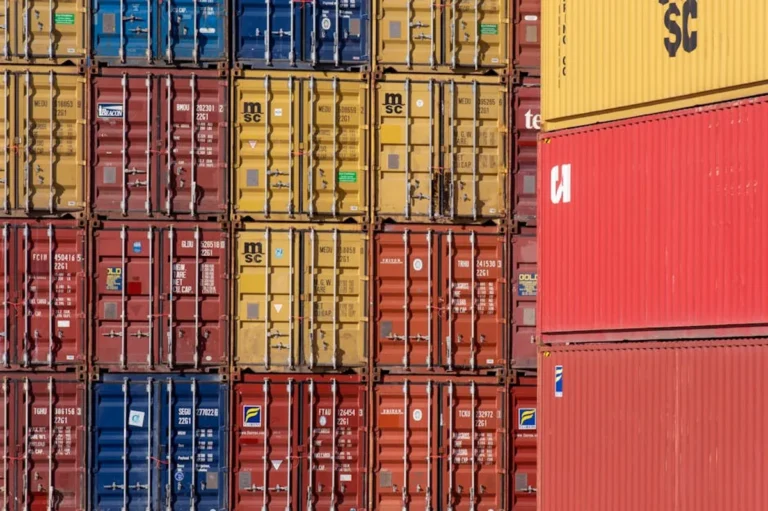
Shipping containers standardize global logistics, enabling efficient intermodal transport and significantly reducing costs and transit times for international.
Shipping documentation confirms transactions and ensures compliance. Supply chain visibility offers real-time operational intelligence for proactive management.
Businesses can significantly cut container shipping expenses by optimizing utilization, strategically selecting carriers, and meticulously managing.
Supply chain visibility helps small businesses track goods, information, and finances from origin to customer, reducing costs and boosting customer satisfaction.