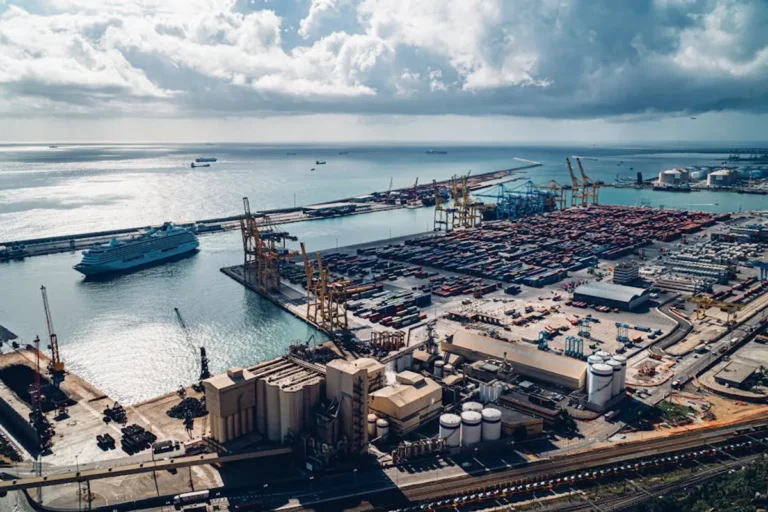
What Is port automation? A Practical Guide for small businesses
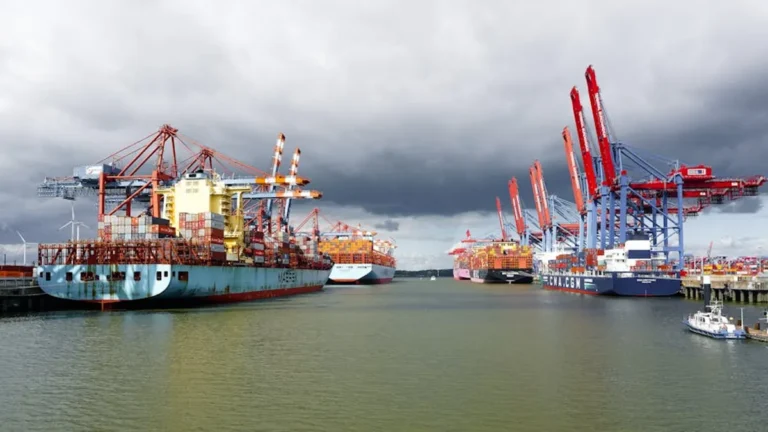
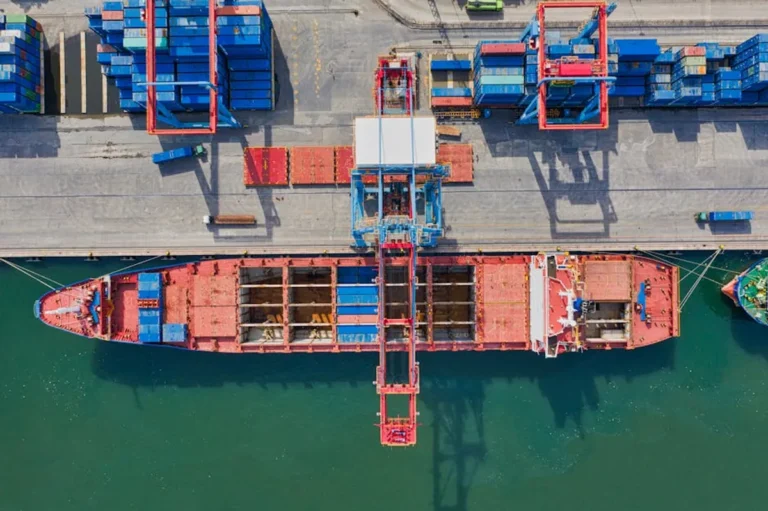
Port automation offers small businesses enhanced efficiency, reduced costs, and improved safety.
Anneke is a trade journalist who has spent the past twelve years covering ocean freight, port operations and the chartering market from Rotterdam. She started on the desk at a Dutch logistics weekly, did a stint covering bunker markets and IMO regulation, and now writes the kind of straight-talking shipping copy that chartering managers and port officials actually read on a Monday morning. The reporting here is sourced from shipping lines, terminal operators, ship managers, broker desks and the regulators who set the rules everyone else has to live with. No press-release journalism, no rankings of the world's most reliable carriers, no breathless coverage of the next mega-vessel order. Just the trade-press work that the industry has always relied on and that a smaller number of outlets continue to do properly.
Page 10 of 28 334 articles total
Port automation offers small businesses enhanced efficiency, reduced costs, and improved safety.
Avoid common transshipment mistakes by understanding customs complexities, vetting carriers, managing documentation, securing insurance, and planning for.
Incoterms clarify responsibilities, costs, and risks in international trade, directly enhancing supply chain reliability and preventing costly disputes.
This cargo tracking checklist provides e-commerce brands with essential considerations for enhancing customer satisfaction and optimizing logistics operations.
Shipping containers are pivotal for maintaining robust and efficient global supply chains, enabling standardized transport, enhanced security, and significant.
Understanding the distinct roles of breakbulk cargo and cargo tracking is crucial for optimizing logistics, managing risks, and ensuring efficient global.
Last-mile delivery focuses on final customer handoffs, prioritizing speed and precision, while shipping containers handle bulk, long-distance freight.
Learn how to reduce costs in green shipping through strategic fleet optimization, operational streamlining, sustainable packaging, and leveraging financial.
Businesses can significantly cut bulk shipping expenses by optimizing carrier negotiations, packaging, and logistics.
Modern warehouse logistics are essential for global trade, orchestrating inventory, fulfillment, and distribution networks to meet complex market demands.
Understand key freight rate trends this year, including geopolitical disruptions, fuel volatility, capacity management, and regulatory pressures to optimize.
Logistics managers can implement sustainable practices with this green shipping checklist.