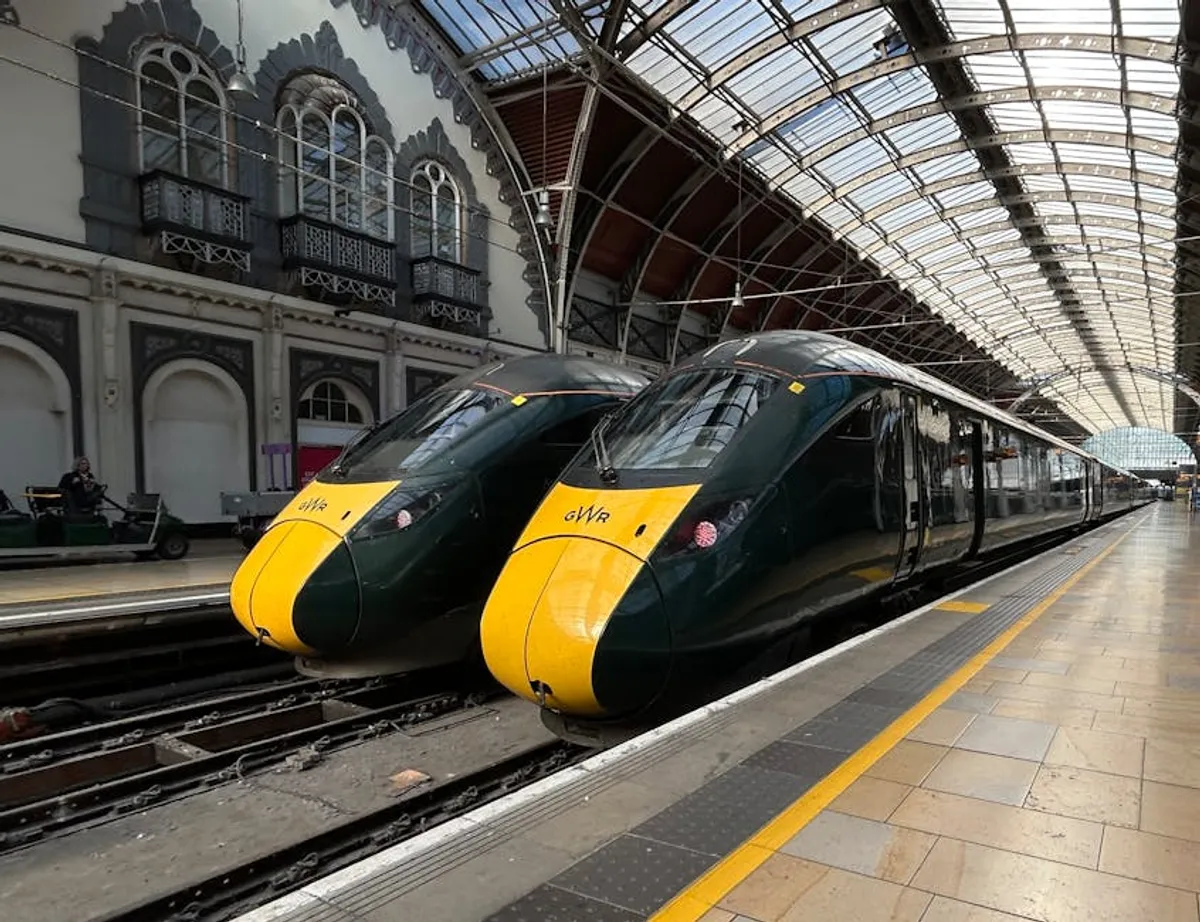
Navigating UK rail bookings involves understanding a complex fare structure and a range of booking platforms. Effective rail travel planning hinges on identifying the right ticket for your journey parameters, whether prioritizing flexibility, cost savings, or specific amenities. This guide dissects the core components of UK rail ticketing, detailing ticket specifications, practical uses, and strategic buying tips to optimize both convenience and expenditure.
Understanding the UK Rail Booking Landscape
The UK rail network operates under a system involving numerous Train Operating Companies (TOCs) and a centralized information portal. Recognizing the roles of these entities is fundamental to making informed booking decisions.
- National Rail Enquiries (NRE): This is the official source for UK rail journey planning, live departure boards, and general information. While NRE provides comprehensive data, it does not directly sell tickets. It redirects users to TOCs or authorized retailers for purchase.
- Train Operating Companies (TOCs): Each TOC manages specific routes and services (e.g., LNER, Avanti West Coast, GWR). They sell tickets for their own services and often for journeys across the entire UK network. Booking directly with a TOC can sometimes offer exclusive deals or loyalty points.
- Third-Party Retailers: Numerous authorized online retailers sell UK rail tickets. These platforms often offer user-friendly interfaces, price comparison tools, and sometimes integrate additional services like journey tracking or reward schemes. Prices for standard tickets are regulated and generally identical across all retailers, but booking fees, refund policies, and user experience can vary.
Key UK Rail Ticket Types and Their Specifications
UK rail fares are categorized primarily by flexibility and time restrictions. Understanding these distinctions is crucial for selecting the most appropriate and cost-effective option.
Advance Tickets
Specifications: These are single (one-way) tickets for specific train services on a specific date. They are sold in limited numbers and typically released 8-12 weeks before the travel date, though this can extend to 24 weeks for some routes. Advance tickets are non-refundable and generally non-changeable once purchased, with strict adherence to the booked train, date, and route.
Uses: Ideal for planned long-distance journeys where travel times are fixed and certainty is high. They offer the lowest fares for specific services, making them suitable for budget-conscious travelers with rigid itineraries.
Off-Peak and Super Off-Peak Tickets
Specifications: These tickets offer more flexibility than Advance fares but come with time restrictions, typically avoiding morning and evening commuter periods on weekdays. Off-Peak tickets allow travel on any train within designated Off-Peak hours. Super Off-Peak tickets have even stricter time restrictions, often limited to weekends or specific mid-day weekday windows. Both types generally allow for break of journey and are refundable (with an administrative fee) if unused.
Uses: Suitable for leisure travel, day trips, or flexible non-commuter journeys where avoiding peak times is feasible. They provide a balance between cost savings and flexibility compared to Anytime fares.
Anytime Tickets
Specifications: These are the most flexible and most expensive standard tickets. They allow travel on any train on the specified route and date (for Anytime Day tickets) or within a specified period (for Anytime Returns). They are fully refundable (with an administrative fee) if unused and allow for break of journey.
Uses: Best for business travelers, urgent travel, or situations requiring maximum flexibility without adherence to specific train times or peak hour restrictions.
Season Tickets and Railcards
Specifications: Season tickets are for regular commuters, offering unlimited travel between two specified stations for a week, month, or year. Railcards are discount cards purchased annually, offering 1/3 off most rail fares for specific groups (e.g., 16-25 Railcard, Senior Railcard, Two Together Railcard).
Uses: Season tickets provide significant cost savings for daily commuters. Railcards are essential for frequent travelers within eligible groups, quickly recouping their annual cost through fare reductions.
Strategic Buying Tips for UK Rail
Optimizing your UK rail booking involves more than just selecting a ticket type; it requires strategic planning and awareness of available tools.
Book in Advance for Best Fares: For long-distance travel, securing Advance tickets as soon as they are released (typically 8-12 weeks out) consistently yields the lowest prices. Prices for Advance tickets generally increase as the travel date approaches and availability diminishes.
Explore Split Ticketing: This legitimate method involves purchasing multiple tickets for different legs of a single journey, even if you remain on the same train. For example, instead of one ticket from London to Manchester, you might buy London to Birmingham and Birmingham to Manchester. This can sometimes result in significant savings, particularly on longer routes. Several third-party platforms specialize in identifying split ticket opportunities.
Compare Retailers for Added Value: While basic ticket prices are consistent, some third-party retailers offer incentives like reward points, cashback, or simpler refund processes. It is prudent to compare these additional benefits across platforms before purchasing.
Utilize Railcards: If you qualify for any of the numerous railcard schemes, the annual purchase price is often recouped within one or two journeys. Always apply your railcard discount during the booking process.
Consider Off-Peak Travel: Adjusting your travel times to avoid peak commuter hours can unlock substantial savings with Off-Peak or Super Off-Peak fares. This flexibility is a direct path to lower costs for non-essential travel.
Pro Tip: Always check if a journey can be split-ticketed. While not always cheaper, it frequently uncovers significant savings, especially on routes with intermediate major stations. Use an online split ticketing tool to quickly identify potential cost reductions without manually searching every segment.
Maximizing Value from Your UK Rail Bookings
Efficiently booking UK rail travel moves beyond simple point-to-point purchases. It involves a strategic approach to fare selection, timing, and platform choice. By understanding the nuances of Advance, Off-Peak, and Anytime tickets, combined with leveraging tools like split ticketing and railcards, travelers can significantly reduce costs and enhance their journey experience. The key lies in matching the ticket's specifications to your precise travel needs and flexibility requirements, ensuring that each booking delivers optimal value.
Frequently Asked Questions
Can I get a refund on my UK rail ticket?
Refund eligibility depends on the ticket type. Advance tickets are generally non-refundable. Off-Peak, Super Off-Peak, and Anytime tickets are usually refundable (minus an administrative fee) if unused and within their validity period. Check the specific terms and conditions of your ticket at the time of purchase.
Is it cheaper to buy train tickets online or at the station?
It is almost always cheaper to buy tickets online and in advance, especially for long-distance journeys. Advance tickets, which offer the lowest fares, are exclusively available online and are not sold at stations on the day of travel. Buying at the station typically limits you to more expensive Anytime or Off-Peak fares.
What is split ticketing and is it legal?
Split ticketing involves buying multiple tickets for different segments of a single journey rather than one direct ticket, often resulting in a lower overall fare. It is a legitimate and legal practice, provided you travel on the trains and routes specified on each individual ticket.
How far in advance can I book UK train tickets?
Advance tickets are typically released 8 to 12 weeks before the travel date, though some routes may open bookings up to 24 weeks in advance. For the cheapest fares, it is advisable to book as soon as tickets become available for your desired travel date.