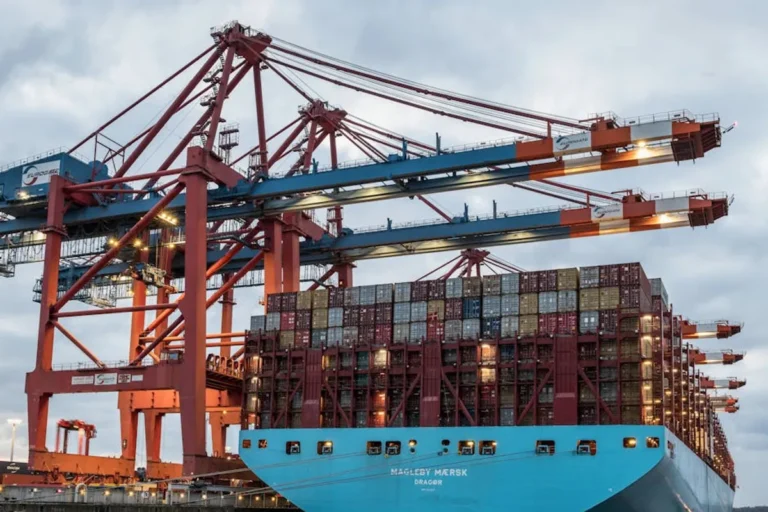
Shipping Delays Checklist for Logistics Managers
Logistics managers can proactively mitigate shipping disruptions and maintain supply chain efficiency with a structured checklist for planning, monitoring, and.
Anneke is a trade journalist who has spent the past twelve years covering ocean freight, port operations and the chartering market from Rotterdam. She started on the desk at a Dutch logistics weekly, did a stint covering bunker markets and IMO regulation, and now writes the kind of straight-talking shipping copy that chartering managers and port officials actually read on a Monday morning. The reporting here is sourced from shipping lines, terminal operators, ship managers, broker desks and the regulators who set the rules everyone else has to live with. No press-release journalism, no rankings of the world's most reliable carriers, no breathless coverage of the next mega-vessel order. Just the trade-press work that the industry has always relied on and that a smaller number of outlets continue to do properly.
Page 11 of 28 334 articles total
Logistics managers can proactively mitigate shipping disruptions and maintain supply chain efficiency with a structured checklist for planning, monitoring, and.
Uncover critical supply chain visibility trends this year, including AI, digital twins, blockchain, and real-time tracking for resilient operations.
Logistics managers often face significant cost overruns and service disruptions by overlooking critical freight rate details and market dynamics.
Effective warehouse logistics cost reduction strategies involve optimizing layout, leveraging technology, enhancing labor efficiency, and refining inventory.
Supply chain teams often make critical container shipping errors that increase costs and delays.
Understand the critical differences between bulk shipping and port automation, from investment costs and operational flexibility to labor requirements and.
Implement essential maritime cybersecurity practices to protect critical systems, ensure operational continuity, and comply with international regulations.
Export compliance is critical for maintaining robust supply chains, preventing costly disruptions, avoiding penalties, and safeguarding business reputation.
Manufacturers seeking efficient shipping for oversized or non-containerized goods can benefit from understanding breakbulk cargo, a specialized method with.
Understand how bulk shipping efficiently moves raw materials and commodities globally, from vessel types and chartering to economic drivers and key challenges.
Efficient last-mile delivery is crucial for supply chain reliability, directly influencing customer satisfaction, operational costs, and overall business.
Green shipping enhances supply chain reliability by driving operational efficiencies, mitigating risks, and strengthening brand reputation through sustainable.