Modern global trade, characterized by its scale, speed, and interconnectedness, relies fundamentally on the shipping container. Before its widespread adoption, cargo handling involved laborious, piece-by-piece loading and unloading, leading to high labor costs, significant damage, and slow transit times. The standardization introduced by the shipping container transformed this, enabling the efficient, intermodal transport of goods across continents. Understanding its operational mechanics is crucial for any business engaged in international commerce, as it directly impacts supply chain design, cost structures, and delivery schedules. To ensure smooth operations, it's vital to be aware of common mistakes exporters should avoid when utilizing these containers.
The Standardized Foundation of Logistics
The ubiquity of the shipping container stems from its adherence to international standards, primarily those set by the International Organization for Standardization (ISO). These standards dictate dimensions, corner fittings, and structural integrity, ensuring that containers are universally interchangeable across different modes of transport and handling equipment worldwide. This standardization is the bedrock of modern logistics, enabling seamless transitions of cargo.
ISO Standards and Intermodal Transport
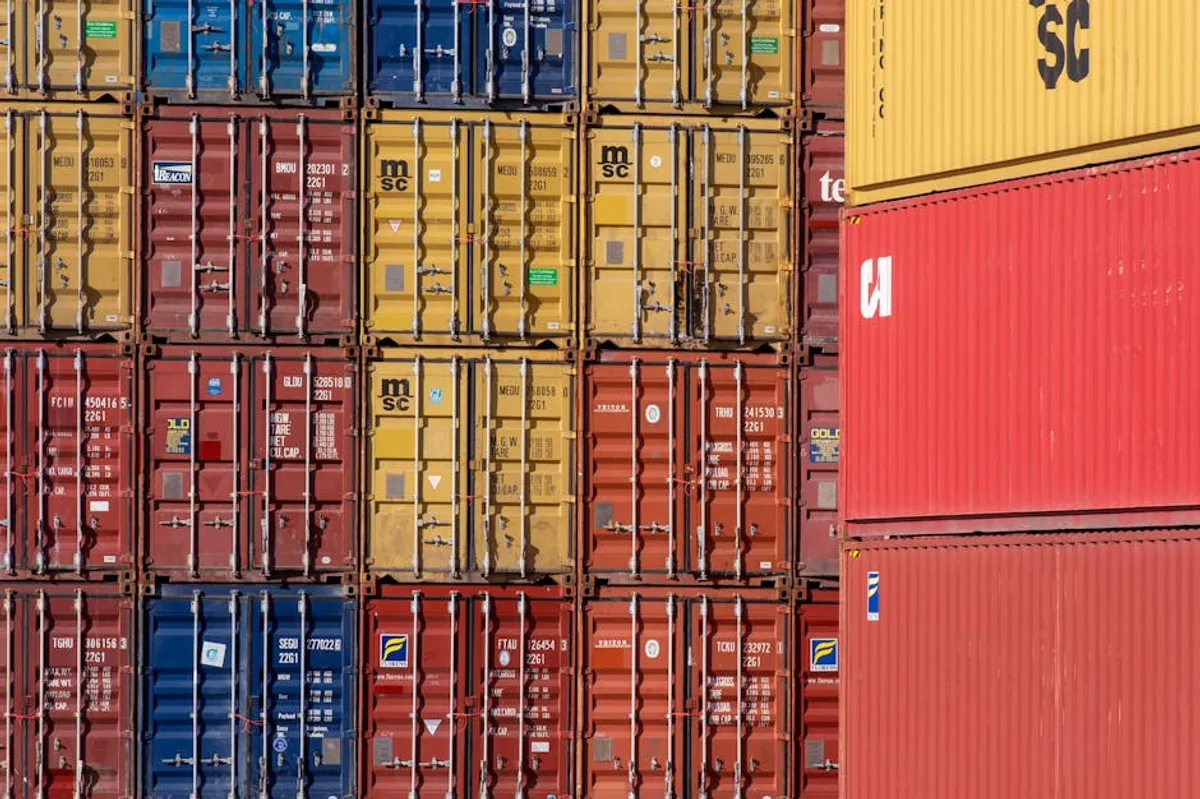
ISO containers, predominantly 20-foot (TEU) and 40-foot (FEU) lengths, are designed to be stacked securely and lifted by specialized cranes. Their uniform dimensions allow them to fit precisely onto container ships, railway cars, and truck chassis. This capability facilitates intermodal transport, where a single container can move from its origin to its final destination using multiple transportation modes—road, rail, and sea—without the need to unload and reload its contents. This system drastically reduces handling time, labor costs, and the risk of damage or theft, offering a streamlined, door-to-door logistics solution.
Container Types and Specialized Cargo
While the standard "dry van" container handles the vast majority of goods, specialized container types cater to specific cargo requirements, expanding the range of products that can be efficiently shipped globally:
- Refrigerated Containers (Reefers): Maintain precise temperature control for perishable goods like food, pharmaceuticals, and certain chemicals.
- Open-Top Containers: Feature a removable tarpaulin roof, ideal for oversized cargo that cannot be loaded through standard doors, such as machinery or large industrial components.
- Flat Rack Containers: Lack side walls and often have collapsible end walls, designed for heavy, bulky, or irregular-shaped items like vehicles, large pipes, or construction materials.
- Tank Containers: Used for transporting liquids, gases, and powders in bulk, integrated with a tank within a standard frame.
Selecting the correct container type is a critical decision that impacts cargo safety, compliance, and overall shipping cost.
Operational Flow: From Origin to Destination
The journey of a shipping container involves a complex, coordinated sequence of operations, each contributing to the efficiency of global trade.
Loading and Drayage
The process typically begins at the manufacturer's facility or a consolidation warehouse, where goods are loaded ("stuffed") into the container. Once sealed, the container is transported by truck (drayage) to a port or intermodal rail yard. This initial leg of the journey requires careful route planning and compliance with local road weight limits.
Port Operations and Stowage Planning
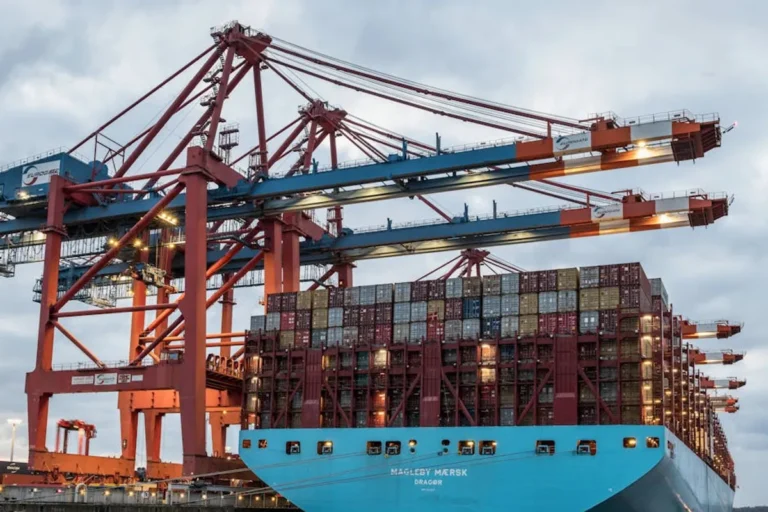
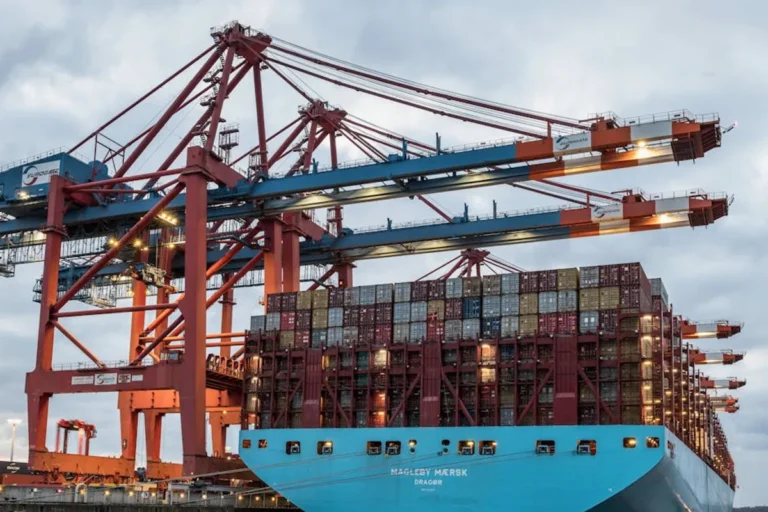
At the port, containers are received, inspected, and then strategically positioned for loading onto a vessel. Advanced terminal operating systems manage the movement of thousands of containers daily. Ship stowage planning is a highly complex task, optimizing for vessel stability, weight distribution, port rotation, and efficient unloading sequences. Large gantry cranes, some capable of lifting multiple containers simultaneously, execute the loading and unloading with precision.
Ocean Transit and Supply Chain Visibility
Once loaded, the container ship embarks on its ocean voyage. During transit, sophisticated tracking systems provide supply chain visibility. Electronic Data Interchange (EDI) and, increasingly, IoT-enabled sensors within containers transmit real-time data on location, temperature, and other environmental conditions. This data is crucial for managing expectations, mitigating risks, and making proactive decisions regarding inventory and distribution.
Pro Tip: Accurate and detailed documentation is paramount for international shipping. Discrepancies in bills of lading, commercial invoices, or customs declarations can lead to significant delays, fines, and even cargo seizure. Verify all paperwork thoroughly before shipment departure to prevent costly bottlenecks at destination ports.
Unloading, Customs, and Final Delivery
Upon arrival at the destination port, containers are unloaded and moved to a container yard. Here, they undergo customs clearance, a process that involves documentation review, duty assessment, and sometimes physical inspection. Once cleared, containers are either picked up by the consignee's drayage provider or transported to an inland distribution center for deconsolidation and final delivery to the end customer. This "last mile" logistics is often the most expensive and complex part of the journey.
Economic and Environmental Impact
The shipping container's impact extends beyond mere logistics, fundamentally reshaping global economic structures and influencing environmental considerations.
Cost Efficiency and Scalability
The containerization revolution dramatically reduced shipping costs by minimizing labor, accelerating port turnaround times, and enabling economies of scale. Larger vessels can carry thousands of containers, lowering the per-unit cost of transport. This cost efficiency has made international trade accessible to a broader range of businesses, fostering globalization and enabling complex, multi-national supply chains. This efficiency directly influences the broader supply chain, making it important to understand shipping delays versus warehouse logistics.
Supply Chain Resilience and Global Reach
Standardized containers facilitate a highly resilient and interconnected global supply chain. Goods can originate from virtually any location, pass through multiple logistics hubs, and reach any market worldwide with relative ease. This interoperability allows businesses to source components globally, optimize manufacturing locations, and distribute products to diverse consumer bases, creating a truly global marketplace.
Optimizing Containerized Shipping for Your Business
For businesses, effectively leveraging containerized shipping means more than just booking space on a vessel. It involves strategic planning, vendor selection, and continuous optimization. Focus on robust freight forwarder relationships, invest in supply chain visibility tools, and understand the nuances of customs regulations in your target markets. Proactive management of these elements ensures predictable transit times, controlled costs, and a competitive edge in international trade.
Frequently Asked Questions
What is a TEU in shipping?
TEU stands for Twenty-foot Equivalent Unit, a standard unit of measure for cargo capacity in container ships and terminals. A 20-foot container is one TEU, and a 40-foot container is two TEUs.
How are shipping containers tracked globally?
Containers are tracked using a combination of methods, including unique container identification numbers, port terminal operating systems, vessel tracking (AIS data), and increasingly, IoT sensors that provide real-time location and condition monitoring.
What is drayage in container shipping?
Drayage refers to the short-distance transport of goods, typically by truck, between an ocean port, rail terminal, or intermodal point and a warehouse or distribution center. It's a critical component of the first and last mile of containerized shipping.
What are the primary benefits of containerization for businesses?
The main benefits include significantly reduced shipping costs, faster transit times, lower cargo damage and theft rates, enhanced supply chain efficiency, and the ability to access global markets more readily due to standardized intermodal transport.