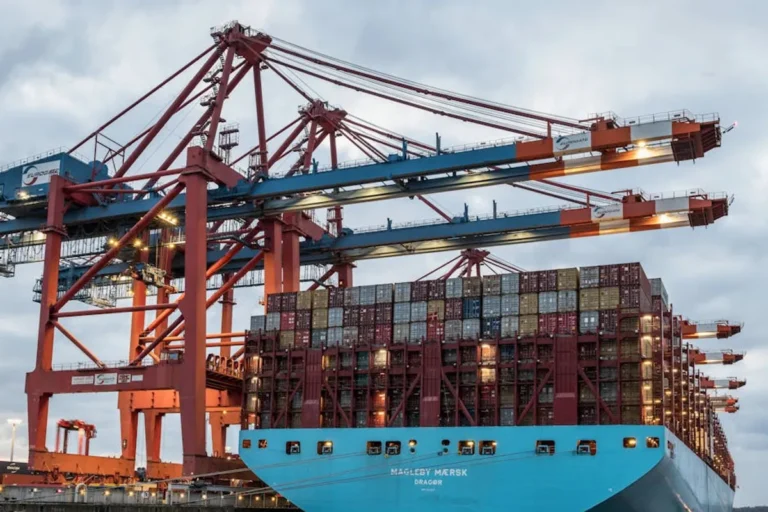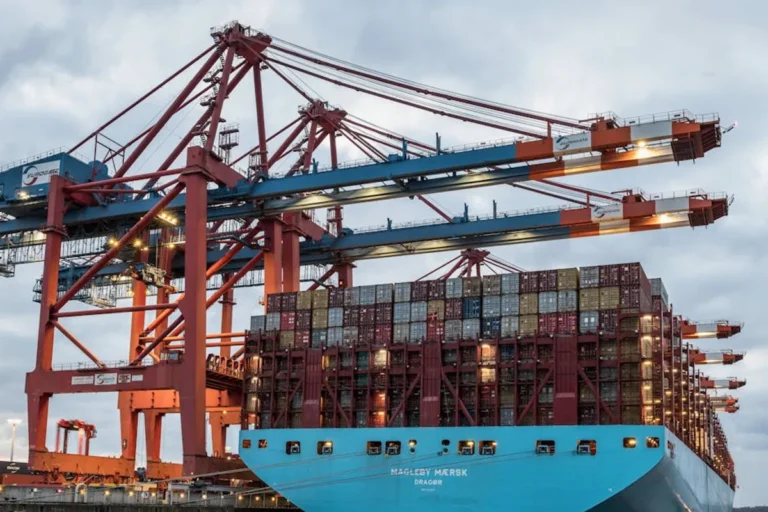
Businesses operating in global trade frequently encounter two critical concepts: shipping documentation and supply chain visibility. While both are indispensable for successful logistics, they serve distinct purposes and offer different operational advantages. Conflating them can lead to compliance issues, operational inefficiencies, or missed opportunities for strategic optimization. Understanding their core differences is essential for making informed decisions about technology investments, process improvements, and risk mitigation strategies in a complex, interconnected supply chain. Understanding what shipping documentation entails is the first step towards mastering these complex processes.
The Foundational Role of Shipping Documentation
Shipping documentation refers to the collection of physical or electronic records that accompany goods throughout their transportation journey. These documents establish legal ownership, confirm transactional details, and ensure compliance with regulatory requirements across borders. They are primarily static, historical records reflecting events that have already occurred or agreements that have been made.
Key documents typically include:
- Bill of Lading (BOL): A contract between the shipper and carrier, serving as a receipt of freight services, a document of title to the goods, and a contract of carriage.
- Commercial Invoice: A bill for the goods from the seller to the buyer, detailing the products, quantities, prices, and terms of sale, crucial for customs valuation.
- Packing List: Provides details on the contents of each package, including dimensions, weight, and itemized lists, aiding in customs inspection and inventory management.
- Certificate of Origin: Declares the country where goods were manufactured, necessary for determining duties and eligibility for trade agreements.
- Export/Import Licenses: Government-issued permits required for specific goods or destinations, ensuring regulatory compliance.
The primary purpose of these documents is to facilitate customs clearance, prove legal compliance, enable payment processing, and provide a paper trail for auditing. Without accurate and complete documentation, shipments face delays, fines, or even seizure, directly impacting delivery schedules and financial commitments.
Supply Chain Visibility: Beyond Paper Trails
Supply chain visibility, in contrast, is the ability to track goods, information, and financial flows in real-time across the entire supply chain, from raw material sourcing to final delivery. It involves collecting, aggregating, and analyzing dynamic data points from various sources to provide a comprehensive, up-to-the-minute overview of operations. This proactive approach focuses on operational intelligence and predictive capabilities rather than historical records.
Visibility platforms leverage technologies such as:
- GPS and IoT sensors for real-time location and condition monitoring (temperature, humidity).
- API integrations with carrier systems, warehouse management systems (WMS), and enterprise resource planning (ERP) platforms.
- Predictive analytics to forecast potential disruptions like weather delays, port congestion, or carrier issues.
- Artificial intelligence and machine learning for anomaly detection and route optimization.
The core value of supply chain visibility lies in its capacity to enable proactive decision-making. Businesses can identify and mitigate risks before they escalate, optimize routes, manage inventory levels more effectively, and provide accurate delivery estimates to customers. This translates into reduced operational costs, improved customer satisfaction, and enhanced resilience against disruptions.
Core Distinctions in Practice
While both documentation and visibility are integral to logistics, their practical applications and strategic contributions diverge significantly.
Information Nature and Timing
Shipping documentation is inherently static and retrospective. It confirms what has happened or what is legally agreed upon. It acts as an official record. Supply chain visibility, however, is dynamic and forward-looking. It provides real-time data on current events and offers insights into future potential scenarios, allowing for immediate intervention. This real-time awareness highlights why supply chain visibility matters for agile and responsive operations.
Scope and Primary Objectives
Documentation's scope is transactional and compliance-focused, ensuring each specific movement or trade adheres to regulations and contractual terms. Visibility's scope is end-to-end and optimization-focused, aiming to improve the overall efficiency, responsiveness, and resilience of the entire supply chain network.
Data Origin and Value Proposition
Documentation often originates from manual inputs, legal agreements, and standardized forms. Its value is primarily in risk avoidance (e.g., preventing customs fines, legal disputes) and financial settlement. Visibility relies on automated data capture from a multitude of digital sources (sensors, APIs, EDI). Its value proposition centers on competitive advantage through operational efficiency, cost reduction, improved customer experience, and enhanced strategic planning.
Pro Tip: Do not view shipping documentation and supply chain visibility as mutually exclusive. A robust digital documentation system, integrated with a real-time visibility platform, creates a powerful synergy. This combination ensures legal compliance while simultaneously providing the dynamic operational intelligence needed to navigate complex global logistics efficiently.
Operational Impact and Strategic Imperatives
For businesses, the operational impact of these two concepts manifests differently. Reliable shipping documentation is a non-negotiable requirement for participating in international trade. It's about adherence to the rules of the game. Without it, operations cease. Supply chain visibility, conversely, is a strategic differentiator. It moves a business from merely participating to actively optimizing and gaining a competitive edge.
Companies with superior visibility can:
- Reduce safety stock levels due to more accurate demand and transit forecasts.
- Improve on-time delivery rates by proactively addressing delays.
- Enhance customer service through transparent communication and accurate tracking.
- Identify bottlenecks and inefficiencies in their logistics network for continuous improvement.
Strategic Integration for Modern Logistics
The most effective logistics strategies integrate both robust documentation practices and advanced supply chain visibility. Digitizing shipping documents not only streamlines the compliance process but also makes document data accessible for integration into visibility platforms. This allows for a holistic view where transactional details are immediately linked to real-time movement data.
For example, a digital Bill of Lading can be automatically associated with the GPS tracking data of a container, providing both the legal record and the live location simultaneously. This integration reduces manual errors, accelerates information flow, and empowers logistics managers with a complete picture for both compliance and operational control.
Frequently Asked Questions
What happens if shipping documentation is incomplete?
Incomplete or inaccurate shipping documentation can lead to significant delays at customs, potential fines, cargo seizure, and disruptions to the entire supply chain, impacting delivery schedules and costs.
Can supply chain visibility replace shipping documentation?
No, supply chain visibility cannot replace shipping documentation. Documentation fulfills legal, regulatory, and contractual obligations that real-time tracking data alone cannot satisfy. They are complementary, not interchangeable.
How does visibility improve customer satisfaction?
Visibility allows businesses to provide accurate, real-time updates on order status and delivery times. This transparency builds trust, reduces customer inquiries, and enables proactive communication about potential delays, enhancing the overall customer experience.
What is the primary investment for improving visibility?
Improving visibility primarily requires investment in technology solutions, such as tracking platforms, IoT sensors, and data integration tools, alongside process changes to ensure data accuracy and stakeholder collaboration.