Understanding the evolving landscape of shipping delays is critical for any business relying on global or domestic logistics. This year presents a complex set of challenges that directly impact inventory management, customer satisfaction, and ultimately, profitability. Proactive monitoring of these trends allows for strategic operational adjustments, risk mitigation, and the maintenance of competitive service levels. Ignoring them can lead to unexpected costs, missed delivery windows, and eroded customer trust.
Persistent Supply Chain Volatility
The global supply chain continues to operate under significant strain, a carryover from recent years but with new and intensifying factors. Businesses must recognize that the era of predictable, just-in-time logistics faces ongoing disruption. This volatility manifests in several key areas, demanding more resilient and adaptable shipping strategies.
Geopolitical Impacts and Trade Route Disruptions
Ongoing geopolitical tensions and regional conflicts have a direct, measurable impact on shipping routes and transit times. Blockades, sanctions, and heightened security concerns in critical maritime passages force carriers to reroute, adding thousands of miles and days to journeys. For instance, disruptions in key choke points like the Red Sea or the Panama Canal don't just add fuel costs; they create cascading delays across entire networks as vessels are diverted, leading to congestion at alternative ports and extended lead times for goods originating from or destined for affected regions. Businesses need to factor in these extended transit times and potential surcharges when forecasting inventory and setting delivery expectations. Regional conflicts also highlight common shipping container mistakes that can further delay shipments.
Labor Shortages and Port Congestion
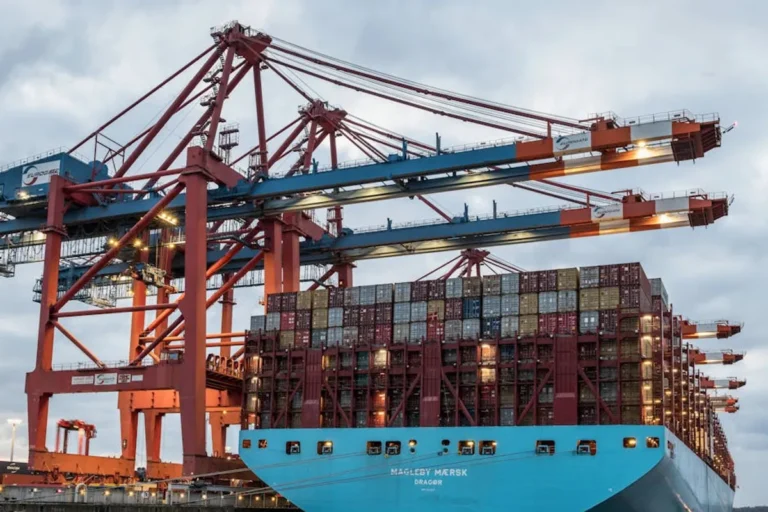
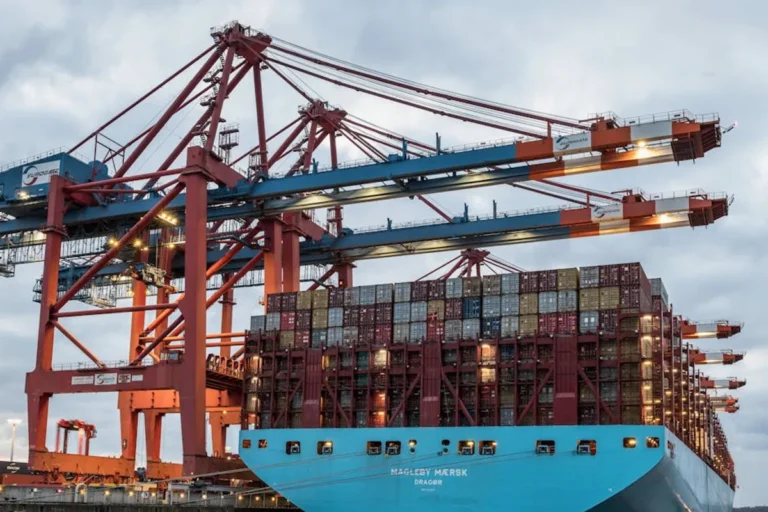
Labor availability remains a significant bottleneck across the logistics sector, from long-haul trucking to port operations and warehouse staffing. A shortage of skilled dockworkers, crane operators, and truck drivers directly impedes the efficient movement of goods. This human resource deficit exacerbates port congestion, where ships often wait for days or even weeks to unload. The ripple effect extends inland, as fewer available truck drivers mean slower distribution from ports to fulfillment centers. Businesses should monitor regional labor market indicators and port performance metrics to anticipate localized delays and consider diversifying port usage or exploring intermodal transport options where feasible.
E-commerce Demand Shifts and Infrastructure Strain
The sustained growth of e-commerce continues to reshape logistics, placing unprecedented demands on last-mile delivery networks and fulfillment infrastructure. While convenient for consumers, this shift creates specific pressure points that contribute to shipping delays. These pressures exacerbate warehouse logistics challenges and impact overall delivery efficiency.
Last-Mile Delivery Challenges
The final leg of delivery, from a local distribution center to the customer's doorstep, is often the most complex and expensive. Urban density, traffic congestion, and the increasing expectation for rapid delivery put immense pressure on carriers. Fuel cost fluctuations directly impact the economic viability of frequent, small-batch deliveries, potentially leading to fewer delivery attempts or higher surcharges. Additionally, the availability of last-mile delivery drivers, particularly in peak seasons, remains a persistent challenge. Companies need to evaluate their carrier partnerships, potentially leveraging regional couriers or exploring micro-fulfillment centers to reduce last-mile transit times and costs.
Warehouse and Fulfillment Bottlenecks
The surge in online orders requires sophisticated and scalable warehouse operations. Many existing facilities struggle with increased throughput, leading to bottlenecks in receiving, picking, packing, and dispatch. This strain is particularly evident during peak sales periods, where order backlogs can accumulate rapidly. Automation and efficient warehouse management systems (WMS) are crucial, but their implementation takes time and capital. Businesses should assess their fulfillment partners' capabilities, focusing on their capacity, technology stack, and ability to scale during demand spikes. Diversifying fulfillment locations can also help distribute pressure and reduce transit times to different geographic markets.
Regulatory Changes and Environmental Pressures
Evolving regulatory landscapes and increasing environmental mandates are introducing new variables into shipping logistics, impacting both costs and operational flexibility.
Emissions Regulations and Fuel Surcharges
Global and regional initiatives aimed at reducing carbon emissions in shipping are leading to new regulations, such as stricter limits on sulfur content in marine fuels or mandates for cleaner-burning engines. While environmentally beneficial, these regulations often translate to higher operational costs for carriers, which are then passed on to shippers through increased fuel surcharges. Some regulations may also encourage slower steaming speeds to reduce emissions, potentially extending transit times. Businesses must factor these rising costs into their landed cost calculations and monitor policy developments that could impact their supply chain.
Customs and Border Control Adjustments
International trade policies are subject to frequent changes, including new tariffs, stricter import/export documentation requirements, and enhanced customs inspections. These adjustments can introduce significant delays at borders and ports as goods undergo more thorough scrutiny. For example, new data reporting mandates or specific product certifications can hold up shipments if not pre-emptively addressed. Staying informed about the trade policies of key sourcing and sales regions is essential to avoid unexpected customs holds and associated demurrage charges. Utilizing customs brokers with deep expertise in specific trade lanes can mitigate these risks.
Pro Tip: Implement a robust supplier and carrier performance monitoring system. Track on-time delivery rates, transit time variability, and communication responsiveness. This data provides objective insights into potential weak points in your logistics network, allowing for proactive adjustments before minor delays escalate into major disruptions. Focus on metrics that directly correlate with customer satisfaction and operational cost.
Technological Adoption and Data-Driven Mitigation
Leveraging technology is no longer optional for managing shipping delays; it's a strategic imperative. Data analytics and enhanced visibility tools offer powerful mechanisms to anticipate, track, and mitigate disruptions.
Predictive Analytics for Route Optimization
Advanced predictive analytics platforms utilize historical data, real-time weather patterns, geopolitical intelligence, and traffic conditions to forecast potential delays and recommend optimal shipping routes. These tools can identify congestion points before they become critical, suggest alternative ports or intermodal transfers, and even predict the impact of unforeseen events. Best for: Businesses with complex global supply chains that require dynamic route planning and proactive risk assessment to maintain delivery schedules.
Enhanced Visibility and Tracking
Real-time tracking solutions, often powered by IoT devices and sophisticated software, provide end-to-end visibility of shipments. This includes location, estimated time of arrival (ETA), and even environmental conditions (e.g., temperature for perishable goods). This level of transparency allows businesses to:
- Proactively inform customers of potential delays.
- Identify specific points of failure in the logistics chain.
- Make informed decisions about expediting or rerouting critical shipments.
- Improve inventory management by knowing exactly where goods are.
Best for: Companies prioritizing customer communication and requiring granular control over their in-transit inventory.
Proactive Strategies for Mitigating Shipping Delays
Navigating the complex landscape of shipping delays requires a multi-faceted approach. Businesses that thrive will be those that embrace agility, data, and strategic partnerships.
- Diversify Carrier Relationships: Relying on a single carrier or shipping lane increases vulnerability. Establish relationships with multiple carriers, including regional and specialized providers, to offer flexibility during disruptions.
- Optimize Inventory Buffers: While just-in-time is efficient, volatile conditions may necessitate strategic safety stock levels for critical components or popular products. Balance inventory costs against the risk of stockouts.
- Improve Demand Forecasting: Accurate demand forecasting helps prevent both overstocking and understocking, reducing pressure on logistics during peak times and ensuring sufficient inventory to absorb minor delays.
- Invest in Communication Tools: Implement systems that provide real-time updates to customers regarding their order status. Proactive communication about delays, even minor ones, significantly improves customer satisfaction.
- Review Incoterms and Contracts: Understand who bears the risk and cost at each stage of transit. Negotiate favorable Incoterms with suppliers and customers to clarify responsibilities during delays.
- Explore Nearshoring/Reshoring: Evaluate the long-term benefits of bringing production or sourcing closer to end markets to reduce reliance on extended international shipping lanes.
Frequently Asked Questions
What are the primary causes of shipping delays this year?
Key causes include ongoing geopolitical instability impacting trade routes, persistent labor shortages in trucking and port operations, increased e-commerce demand straining last-mile delivery infrastructure, and new environmental regulations leading to higher costs and potentially slower transit.
How can businesses best prepare for unpredictable shipping delays?
Preparation involves diversifying carrier networks, maintaining strategic inventory buffers, enhancing demand forecasting accuracy, investing in real-time tracking and communication tools, and regularly reviewing Incoterms and supplier contracts for risk allocation.
Will technology truly help reduce shipping delays, or just manage them better?
Technology, particularly predictive analytics and enhanced visibility tools, serves both purposes. It helps manage existing delays by providing real-time data for proactive communication and rerouting. More importantly, it can help *reduce* future delays by identifying potential bottlenecks, optimizing routes, and improving overall supply chain efficiency.