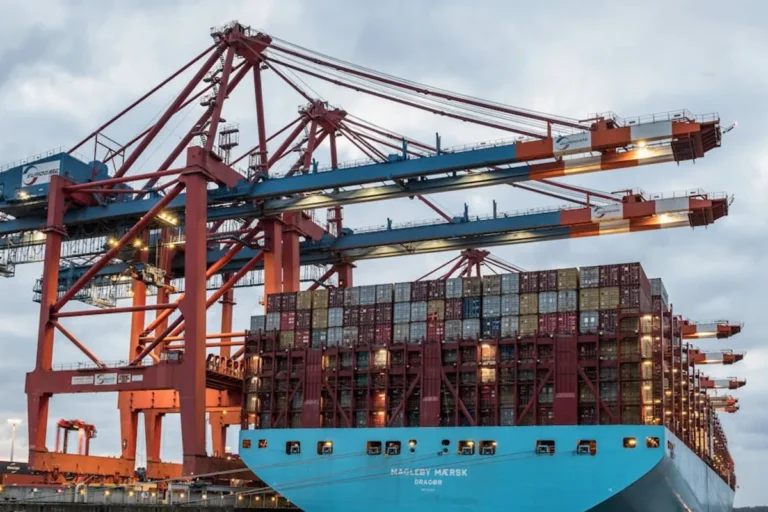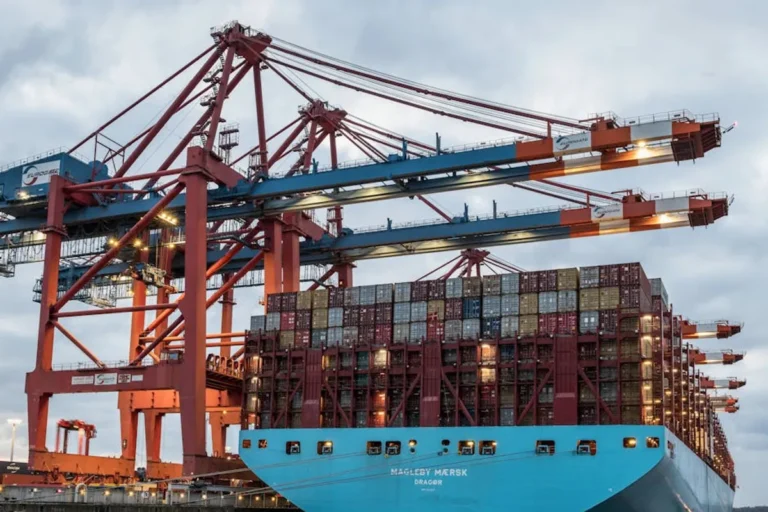
Supply chain visibility refers to the ability to track products, information, and financial flows as they move from origin to the end customer. For small businesses, this means understanding where raw materials are, the status of goods in production, and the exact location of finished products during transit. Achieving this insight allows businesses to anticipate issues, optimize operations, and meet customer expectations more reliably. Without it, small businesses often react to problems rather than preventing them, leading to increased costs, missed deadlines, and customer dissatisfaction. Understanding the core reasons why supply chain visibility matters can help small businesses prioritize their efforts effectively.
Defining Supply Chain Visibility for Small Businesses
For a small business, supply chain visibility is the clear, real-time picture of every stage of your product's journey. This encompasses not just the physical movement of goods but also the flow of critical information and financial transactions. It means knowing:
- The current status of raw materials from your suppliers.
- The progress of your products through manufacturing or assembly.
- The location and condition of inventory in your warehouse.
- The real-time tracking of shipments en route to customers.
- The performance metrics of your logistics partners.
This visibility transforms reactive problem-solving into proactive management, allowing small businesses to make informed decisions that impact their bottom line and customer relationships.
Why Supply Chain Visibility Matters for Small Businesses
Implementing even basic levels of supply chain visibility offers tangible commercial advantages for small operations:
Cost Reduction and Efficiency Gains
By understanding the movement of goods and information, businesses can identify bottlenecks and inefficiencies. This translates to reduced inventory holding costs, minimized waste from spoilage or obsolescence, and optimized transportation routes. For example, knowing a shipment is delayed allows you to adjust production schedules, preventing idle labor or unnecessary overtime.
Enhanced Risk Mitigation
Disruptions are inevitable, from supplier delays to unexpected transportation issues. Visibility provides early warning signals, enabling businesses to pivot quickly. If a key component shipment is stuck, you can proactively seek alternative suppliers or inform customers of potential delays, managing expectations before they become complaints. This resilience protects revenue and reputation.
Improved Customer Satisfaction
Customers expect accurate delivery estimates and timely updates. With visibility, small businesses can provide precise tracking information and communicate proactively about any changes. This transparency builds trust and reduces inquiries, freeing up customer service resources. Meeting delivery promises directly impacts repeat business and positive reviews.
Better Strategic Planning
Data gathered through supply chain visibility informs better forecasting and planning. Understanding lead times, production capacities, and delivery patterns allows for more accurate demand planning, inventory management, and resource allocation. This strategic insight helps small businesses scale efficiently and avoid costly overstocking or stockouts.
Key Components of Supply Chain Visibility
Achieving visibility requires focusing on three core areas:
Upstream Visibility (Suppliers)
This involves understanding everything that happens before materials arrive at your facility. It includes tracking raw material orders, monitoring supplier production schedules, and knowing the transit status of inbound shipments. Key data points include supplier lead times, order fulfillment rates, and quality control checks at the source.
Internal Visibility (Operations)
Once materials are received, internal visibility tracks their journey through your own processes. This means monitoring inventory levels, production progress, warehouse movements, and order picking/packing status. Real-time updates on internal processes ensure that production targets are met and orders are prepared accurately for dispatch.
Downstream Visibility (Customers & Delivery)
This focuses on the outbound journey to the customer. It involves real-time tracking of finished goods, monitoring carrier performance, and confirming final delivery. Providing customers with tracking numbers and proactive updates is a direct outcome of strong downstream visibility, enhancing their experience significantly.
Pro Tip: Start by mapping your current supply chain on paper or using a simple flowchart. Identify every touchpoint from raw material acquisition to customer delivery. This visual representation will highlight where data gaps exist and where initial efforts for visibility will yield the most impact.
Implementing Visibility: Practical Steps for Small Businesses
Small businesses don't need complex, expensive systems to start. Begin with these practical steps:
- Manual Data Collection: Use spreadsheets to track key data points like order dates, expected delivery dates, actual delivery dates, and inventory levels. This foundational step helps identify critical information flows.
- Standardize Communication: Establish clear communication protocols with suppliers and logistics partners. Request regular updates on order status and shipment tracking. Utilize email, shared documents, or simple vendor portals.
- Leverage Existing Tools: Many small businesses already use accounting software or e-commerce platforms. Explore if these tools offer basic inventory management or order tracking features that can be expanded upon.
- Focus on Critical Paths: Don't try to track everything at once. Identify the most critical products, suppliers, or delivery routes that have the biggest impact on your business. Start by gaining visibility over these essential components.
- Establish Key Performance Indicators (KPIs): Define what success looks like. Examples include on-time delivery rates, order accuracy, inventory turnover, and supplier lead times. Regularly measure these KPIs to track progress.
Overcoming Common Challenges
Small businesses often face specific hurdles when pursuing supply chain visibility:
- Data Silos: Information often resides in different systems or departments, making a unified view difficult. Breaking down these silos requires collaboration and potentially integrating disparate data sources.
- Lack of Standardization: Suppliers and partners may use different data formats or communication methods. Establishing clear expectations and standardizing data exchange formats can mitigate this.
- Resource Constraints: Both financial and human resources can be limited. Prioritize initiatives that offer the highest return on investment and consider phased implementation.
- Resistance to Change: Employees or partners may be comfortable with existing processes. Emphasize the benefits of visibility for everyone involved to encourage adoption.
Leveraging Technology for Enhanced Visibility
While starting manually is effective, technology scales visibility. Small businesses can explore:
- Inventory Management Systems (IMS): These track stock levels, movements, and locations within your own facilities, providing real-time inventory counts.
- Order Management Systems (OMS): An OMS centralizes order information from various channels, managing the order lifecycle from placement to fulfillment.
- Transportation Management Systems (TMS) for SMBs: Simplified TMS solutions can help plan routes, select carriers, and track shipments in transit, often integrating with carrier APIs for real-time updates.
- E-commerce Platform Integrations: Many e-commerce platforms offer plugins or built-in features for order tracking, shipping label generation, and automated customer notifications.
- Spreadsheet Automation: Even advanced spreadsheet functions and macros can automate data collection and reporting, bridging gaps until dedicated software is adopted.
Moving Forward with Supply Chain Visibility
Building supply chain visibility is an ongoing process, not a one-time project. For small businesses, the key is to start small, learn, and iterate. Begin by identifying the most critical information gaps in your current operations. Focus on gaining clarity over these areas first, then gradually expand your scope. Regular communication with your suppliers and logistics partners is fundamental, regardless of the technology you employ. The goal is to move from guessing to knowing, enabling more confident decision-making and a more resilient, efficient business.
Frequently Asked Questions
What is the primary benefit of supply chain visibility for a small business?
The primary benefit is improved decision-making, leading to reduced costs, enhanced efficiency, better risk management, and ultimately, higher customer satisfaction through reliable operations.
How can a small business begin to implement supply chain visibility without a large budget?
Start by manually mapping your current supply chain, identifying key data points, and using simple tools like spreadsheets to track essential information. Focus on standardizing communication with partners and leveraging any basic tracking features in existing software.
What specific data should a small business prioritize for visibility?
Prioritize data related to supplier lead times, inbound shipment status, internal inventory levels, production progress, outbound shipment tracking, and delivery confirmation. These directly impact operational flow and customer experience.
Is supply chain visibility only for businesses that ship physical products?
While often associated with physical goods, the principles of visibility apply to service-based businesses as well. Tracking project progress, resource allocation, and client communication can be considered forms of supply chain visibility for service delivery.