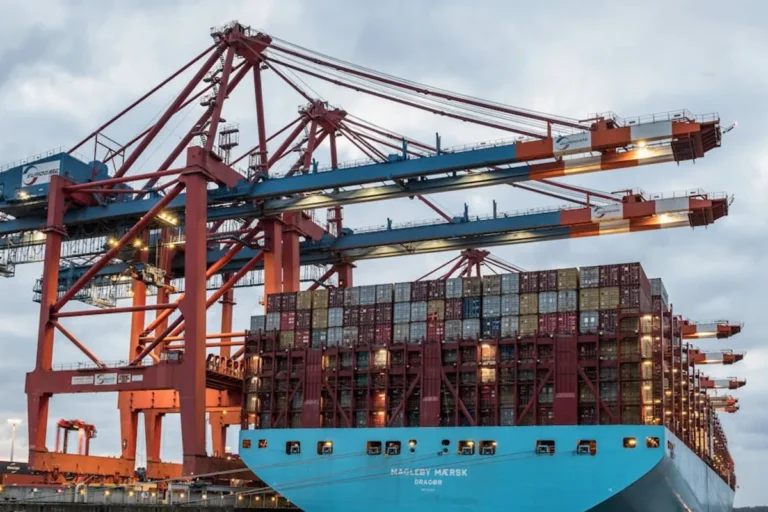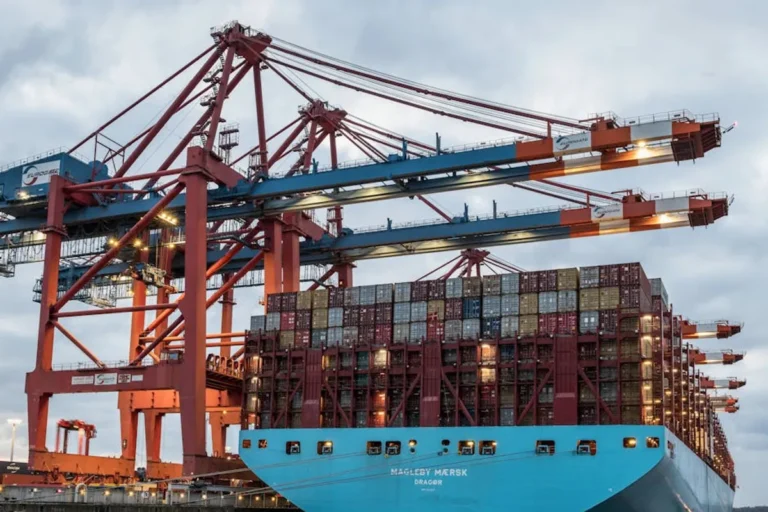
The global shipping industry, responsible for transporting over 80% of world trade, faces increasing pressure to decarbonize. International Maritime Organization (IMO) targets, consumer demand for sustainable logistics, and evolving regulatory frameworks mandate a significant shift from traditional, fossil-fuel-dependent operations. Technology is not merely facilitating this transition; it is the primary enabler, introducing entirely new operational paradigms and commercial opportunities for carriers, logistics providers, and associated industries.
For businesses engaged in shipping, understanding these technological shifts is critical for strategic planning, investment decisions, and maintaining a competitive edge. The adoption of green technologies directly impacts fuel costs, compliance expenditures, and market perception, influencing everything from supply chain resilience to customer acquisition.
Advanced Propulsion and Alternative Fuels
The most significant technological changes in green shipping revolve around propulsion systems and the fuels that power them. Moving beyond heavy fuel oil (HFO) is essential for achieving substantial emissions reductions.
Hydrogen, Ammonia, and Methanol
These are emerging as leading contenders for future marine fuels due to their potential for near-zero or zero carbon emissions at the point of combustion. Each presents distinct advantages and challenges:
- Green Hydrogen: Produced via electrolysis using renewable energy, hydrogen offers zero tank-to-wake emissions. Its primary hurdle is low energy density, requiring large storage volumes or cryogenic conditions, and the significant investment needed for production and bunkering infrastructure.
- Green Ammonia: Derived from green hydrogen, ammonia is more energy-dense than hydrogen and easier to store (though still requiring specialized tanks). It has a proven track record as a chemical commodity, but its toxicity and the potential for nitrogen oxide (NOx) emissions during combustion require advanced engine designs and safety protocols.
- Green Methanol: Produced from renewable sources like biomass or captured CO2, methanol is liquid at ambient temperatures, simplifying storage and bunkering. It offers a cleaner burn than HFO, reducing SOx, NOx, and particulate matter, and its infrastructure is more adaptable from existing fuel networks. However, its lower energy density compared to HFO means larger fuel tanks or more frequent bunkering.
Wind-Assisted Propulsion (WAP)
Modern wind-assisted technologies are experiencing a resurgence, leveraging advanced aerodynamics and automation. Rigid sails, Flettner rotors (spinning cylinders that generate lift from the Magnus effect), and kites are being integrated into newbuilds and retrofitted onto existing vessels. These systems provide supplementary propulsion, reducing the load on main engines and cutting fuel consumption by 5-20% depending on vessel type, route, and weather conditions. This translates directly into lower operational costs and reduced emissions without requiring a complete fuel system overhaul.
Electric and Hybrid Systems
For short-sea shipping, ferries, and port operations, battery-electric and hybrid-electric propulsion are becoming viable. These systems eliminate local emissions, improving air quality in coastal areas and ports. Hybrid systems combine batteries with conventional or alternative fuel engines, optimizing power delivery and allowing for zero-emission operation in sensitive zones. The limiting factor remains battery energy density and the need for robust charging infrastructure at ports.
Operational Efficiency Through Digitalization
Beyond fuel switching, technology is optimizing how ships operate, extracting maximum efficiency from every voyage.
Route Optimization and Weather Routing
Advanced software platforms use real-time data on weather patterns, ocean currents, vessel performance, and port congestion to calculate the most fuel-efficient routes. These systems can dynamically adjust routes mid-voyage, avoiding adverse weather that increases fuel burn or capitalizing on favorable currents. This reduces transit times, minimizes fuel consumption, and improves schedule reliability.
Vessel Performance Monitoring
IoT sensors installed on engines, propellers, and hulls collect vast amounts of data on a ship's operational parameters. AI-driven analytics then process this data to identify inefficiencies, predict maintenance needs, and provide actionable insights to crew and shore-based teams. This proactive approach prevents costly breakdowns, optimizes engine settings for specific conditions, and ensures components operate at peak efficiency, directly impacting fuel economy.
Port Call Optimization
Digital platforms are enabling "just-in-time" arrivals, where ships adjust their speed to arrive precisely when a berth is available. This reduces time spent idling outside ports, significantly cutting fuel consumption and emissions. Collaboration platforms between ports, vessels, and logistics providers streamline port operations, reducing turnaround times and improving overall supply chain fluidity.
Carbon Capture and Emissions Reduction Technologies
While alternative fuels address future emissions, technologies exist to mitigate emissions from current fleets.
Onboard Carbon Capture Systems
These systems capture CO2 directly from a ship's exhaust gases, similar to land-based industrial applications. The captured CO2 is then stored onboard in liquid form and offloaded at port. While technically feasible, the challenge lies in the energy required for capture, the weight and space occupied by the equipment, and the infrastructure for offloading and storing the captured carbon ashore. These are generally considered bridging technologies.
Exhaust Gas Cleaning Systems (Scrubbers)
Scrubbers remove sulfur oxides (SOx) from exhaust gases, allowing ships to continue using higher sulfur fuels while complying with IMO 2020 regulations. While effective for SOx, they do not reduce CO2 emissions. The debate continues regarding the environmental impact of their discharge (open-loop scrubbers) versus the cost and complexity of closed-loop systems.
Pro Tip: Achieving truly green shipping requires an integrated approach, not just isolated technological fixes. Companies should prioritize digital ecosystems that connect vessel performance data, route optimization, port logistics, and supply chain transparency. This holistic view enables comprehensive emissions tracking, performance benchmarking, and strategic decision-making across the entire shipping value chain, maximizing both environmental impact and commercial return.
Navigating the Future of Green Shipping
The technological landscape of green shipping is evolving rapidly, driven by innovation, regulatory pressure, and the economic imperative to reduce fuel costs. For stakeholders in the shipping ecosystem, staying informed about these advancements is paramount. Early adoption of proven technologies can yield significant competitive advantages, including lower operating costs, enhanced brand reputation, and improved compliance. Conversely, delayed adoption risks increased regulatory penalties, higher long-term operational expenses, and diminished market relevance.
The transition demands substantial investment in new vessels, retrofits, and shore-side infrastructure. However, the long-term benefits of reduced environmental impact, fuel independence, and operational resilience position technology as the cornerstone of a sustainable and profitable future for the shipping industry.
Frequently Asked Questions About Green Shipping Technology
What are the biggest challenges in adopting green shipping technologies?
Key challenges include the high upfront capital costs for new vessels or retrofits, the need for extensive new bunkering and charging infrastructure, the varying maturity levels of alternative fuels, and the complexity of integrating diverse digital solutions across global supply chains.
Which alternative marine fuel is most promising for widespread adoption?
There is no single "most promising" fuel; different solutions will suit different vessel types and routes. Methanol is gaining traction due to its easier handling and existing infrastructure adaptability, while ammonia and hydrogen are seen as long-term zero-emission solutions, pending further technological and infrastructural development.
How does data analytics contribute to green shipping?
Data analytics is crucial for optimizing vessel performance, enabling predictive maintenance, identifying fuel-saving opportunities through route optimization, and providing transparent reporting on emissions. It transforms raw operational data into actionable insights that directly reduce environmental impact and operational costs.
Can small shipping operators afford green technology investments?
While large-scale fuel transitions require significant capital, smaller operators can start with efficiency improvements like advanced route optimization software, propeller upgrades, and hull coatings. Industry partnerships, government incentives, and innovative financing models are also emerging to support broader adoption across all fleet sizes.