In the intricate world of global logistics, two terms frequently surface: port congestion and cargo tracking. While both relate to the movement of goods and impact supply chain efficiency, they represent fundamentally different aspects of operations. Port congestion describes a systemic problem at a macro level, indicating a bottleneck that impedes the flow of goods through a port. Cargo tracking, conversely, is a micro-level solution, providing granular visibility into the location and status of individual shipments. Understanding the distinct nature, causes, and implications of each is critical for any entity involved in international trade, from shippers and carriers to freight forwarders and end consumers. Understanding the distinct nature, causes, and implications of each is critical to effectively addressing the systemic problem of port congestion.
Port Congestion: A Systemic Bottleneck
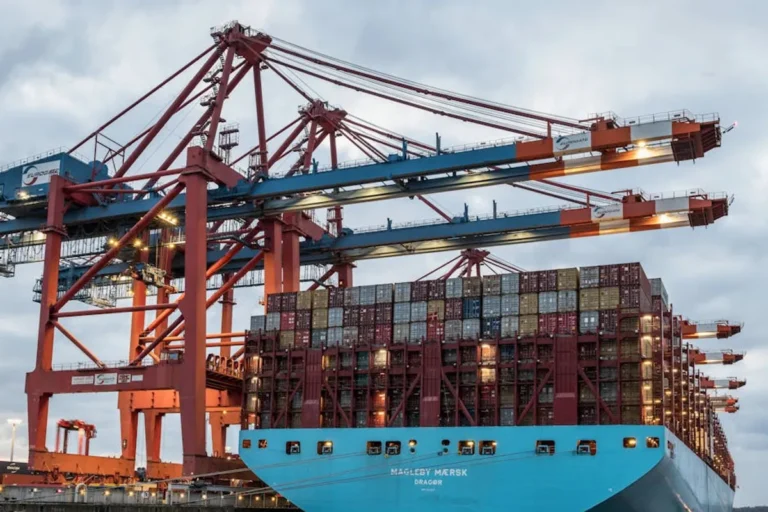
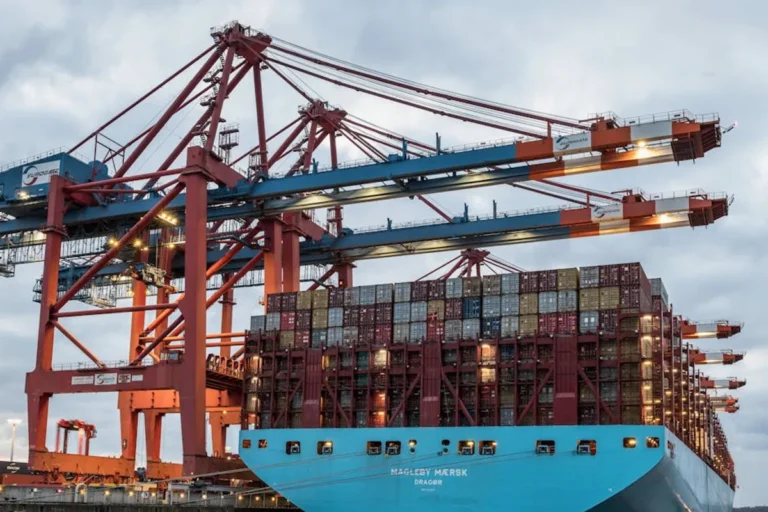
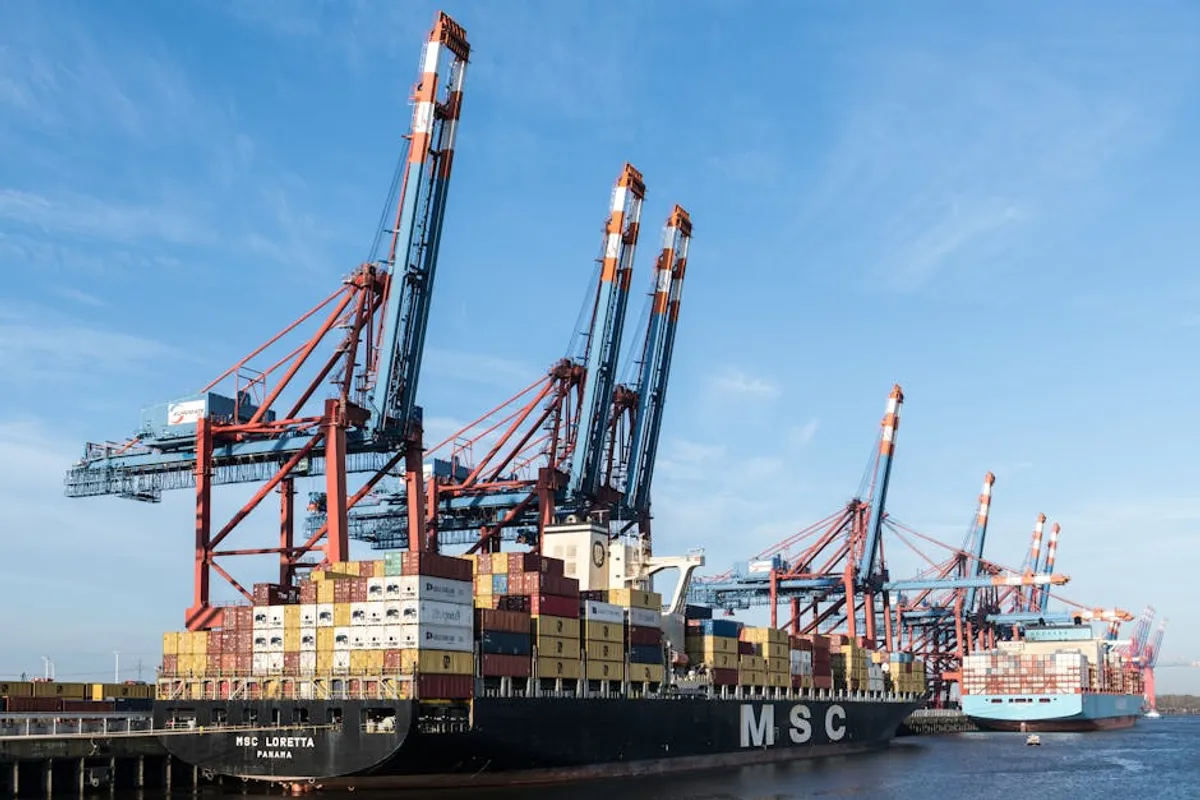
Port congestion refers to the accumulation of ships, containers, or cargo within a port, leading to delays in loading, unloading, and onward transportation. This phenomenon is a direct indicator of operational inefficiency or an imbalance between port capacity and demand. It is not merely a delay but a complex issue with cascading effects across the entire supply chain.
Causes of Port Congestion
The factors contributing to port congestion are multifaceted and often interconnected:
- Increased Trade Volume: Sudden or sustained surges in import/export demand can overwhelm existing port infrastructure.
- Labor Shortages or Disputes: Insufficient dockworkers, crane operators, or truck drivers can slow down cargo handling. Labor strikes can halt operations entirely.
- Infrastructure Limitations: Outdated equipment, insufficient berth space, shallow channels, or inadequate storage facilities restrict throughput.
- Weather Conditions: Severe weather (fog, storms, hurricanes) can force port closures or significantly reduce operational capacity.
- Customs and Regulatory Delays: Slow processing of paperwork, inspections, or regulatory clearances can create backlogs.
- Intermodal Connection Issues: Shortages of trucks, rail cars, or chassis can prevent cargo from being moved out of the port quickly, occupying valuable space.
- Unexpected Events: Geopolitical events, natural disasters, or global health crises can disrupt normal shipping patterns and create sudden surges or diversions.
Impacts of Congestion
The consequences of port congestion are far-reaching and costly:
- Extended Transit Times: Ships wait longer to berth, and cargo waits longer to be processed, delaying delivery schedules.
- Increased Shipping Costs: Carriers impose surcharges (e.g., congestion surcharges, demurrage, detention fees) to compensate for vessel idle time and increased operational expenses.
- Supply Chain Disruptions: Delays at one port can ripple through the entire supply chain, affecting manufacturing schedules, inventory levels, and product availability.
- Reduced Reliability: Unpredictable arrival times make planning difficult and can damage customer relationships.
- Environmental Impact: Idling ships burn more fuel, increasing emissions.
Cargo Tracking: Granular Visibility and Control
Cargo tracking is the process of monitoring the real-time location and status of individual shipments as they move through the supply chain. It provides specific, actionable data about a particular consignment, enabling stakeholders to maintain oversight and respond proactively to changes or disruptions.
Methods of Cargo Tracking
Modern cargo tracking relies on a combination of technologies:
- Global Positioning System (GPS): Devices attached to containers or vehicles transmit location data via satellite.
- Automatic Identification System (AIS): Used for maritime vessels, AIS transponders broadcast a ship's position, speed, and course.
- Internet of Things (IoT) Sensors: These sensors can monitor not just location, but also environmental conditions like temperature, humidity, shock, and light exposure within a container.
- Electronic Data Interchange (EDI): Standardized electronic communication between trading partners for exchanging shipping notices, bills of lading, and status updates.
- Blockchain Technology: Offers a secure, immutable ledger for recording shipment events, enhancing transparency and traceability across multiple parties.
- Carrier and Freight Forwarder Portals: Online platforms provided by logistics providers that aggregate tracking data.
Benefits of Cargo Tracking
The advantages of robust cargo tracking systems are significant:
- Real-time Visibility: Knowing exactly where a shipment is at any given moment.
- Enhanced Security: Monitoring for unauthorized stops or deviations from planned routes.
- Improved Inventory Management: Accurate ETAs allow for better planning of warehouse space and labor.
- Proactive Problem Solving: Identifying potential delays early (e.g., a shipment stuck due to port congestion) allows for re-routing or communication with affected parties.
- Customer Satisfaction: Providing accurate updates and estimated delivery times builds trust.
- Data for Optimization: Tracking data can be analyzed to identify inefficiencies and optimize future logistics operations.
Key Differences: Port Congestion vs. Cargo Tracking
While both concepts are integral to logistics, their fundamental nature and application differ significantly:
Nature: Port congestion is a problem or an operational state, often a symptom of systemic issues. Cargo tracking is a solution or a tool, designed to provide information and control.
Focus: Port congestion focuses on the collective movement and processing capacity of an entire port facility. Cargo tracking focuses on the individual journey and status of a single cargo unit or consignment.
Objective: The objective concerning port congestion is mitigation and prevention, aiming to reduce delays and improve throughput at a macro level. The objective of cargo tracking is to provide transparency, security, and control over specific shipments, enabling proactive management at a micro level.
Data Source: Information on port congestion typically comes from port authorities, shipping line schedules, maritime traffic data, and news reports. Cargo tracking data originates from sensors, transponders, and electronic updates directly associated with the specific cargo or its transport vessel.
Impact on Stakeholders: Port congestion affects all vessels and cargo passing through the port, leading to widespread delays and cost increases. Cargo tracking provides specific updates relevant to a particular shipper, consignee, or logistics provider, allowing them to manage their individual shipments more effectively.
Pro Tip: While cargo tracking provides real-time data, it does not prevent port congestion. Instead, it empowers logistics managers to react strategically to congestion, such as rerouting shipments or adjusting delivery schedules, thereby minimizing financial impact and maintaining supply chain fluidity.
Strategic Implications for Supply Chain Management
Effective supply chain management requires an understanding of both port congestion and cargo tracking. Recognizing port congestion as a potential risk factor allows for strategic planning, such as diversifying port usage or building buffer inventory. Leveraging cargo tracking, on the other hand, provides the tactical visibility needed to navigate these risks in real-time. Integrating data from both sources—macro-level port status and micro-level cargo location—enables more informed decision-making, from procurement and production scheduling to warehousing and final delivery.
Optimizing Logistics Operations
For businesses operating in global trade, the distinction between port congestion and cargo tracking is not merely academic; it dictates operational strategies. Proactive measures to mitigate congestion risks, combined with robust cargo tracking systems, create a resilient and responsive supply chain. This dual approach ensures that while systemic challenges like port congestion may arise, individual shipments can still be managed with precision, transparency, and adaptability, ultimately safeguarding delivery schedules and maintaining operational efficiency.
Frequently Asked Questions
What is the primary difference between port congestion and a shipping delay?
Port congestion is a systemic issue causing widespread delays due to an imbalance of capacity and demand at a port, affecting many vessels and shipments. A shipping delay can be a specific incident affecting a single shipment, potentially caused by port congestion, but also by other factors like weather, mechanical failure, or customs hold-ups.
Can cargo tracking help predict port congestion?
While cargo tracking provides data on individual shipments, it doesn't directly predict port-wide congestion. However, aggregated data from numerous tracking systems can contribute to broader predictive analytics tools that monitor vessel queues and dwell times, offering insights into potential congestion development.
How do businesses mitigate the risks of port congestion?
Businesses mitigate congestion risks by diversifying shipping routes, using multiple ports, maintaining buffer stock, negotiating flexible contracts with carriers, and utilizing advanced supply chain planning software that incorporates real-time port status updates.
Is cargo tracking only for large enterprises?
No. While large enterprises often use sophisticated, integrated tracking platforms, smaller businesses can also leverage cargo tracking through carrier-provided tracking numbers, third-party logistics (3PL) portals, or affordable IoT tracking devices for high-value shipments.