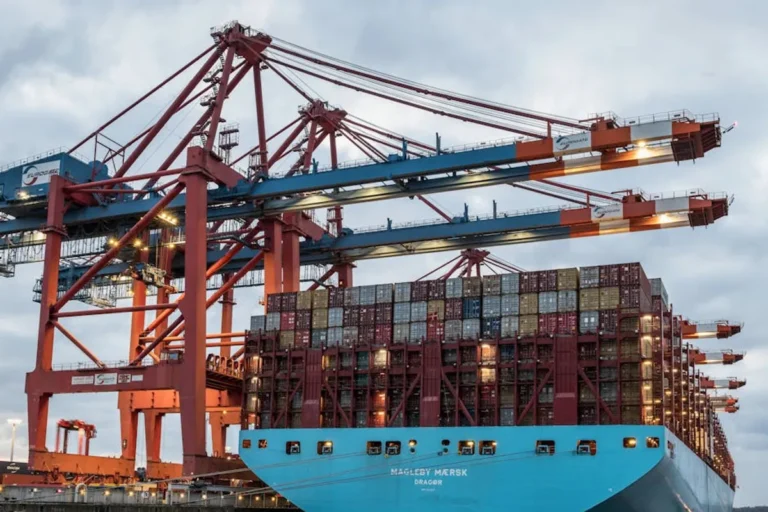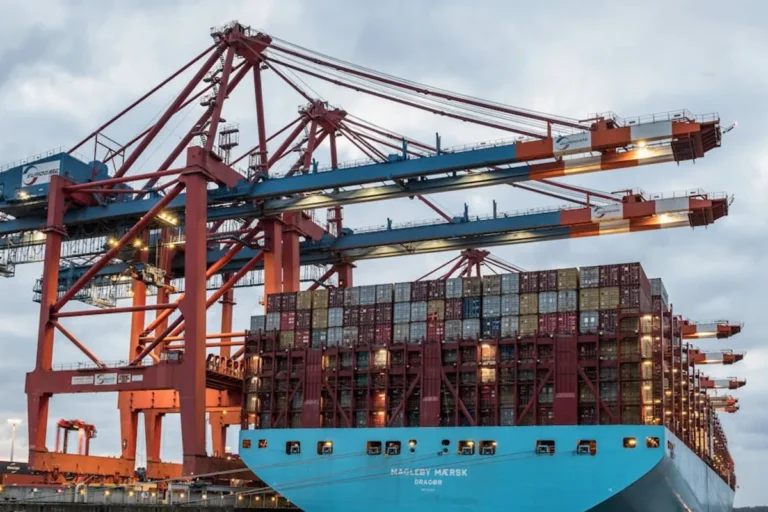
Ocean Freight: Common Mistakes Beginners Should Avoid
Avoid costly ocean freight mistakes by understanding Incoterms, ensuring accurate documentation, planning for delays, and identifying hidden surcharges.
Page 1 of 21 250 articles total
Avoid costly ocean freight mistakes by understanding Incoterms, ensuring accurate documentation, planning for delays, and identifying hidden surcharges.
Ocean freight is crucial for stable supply chains, offering unmatched capacity, cost efficiency, and global reach that underpin business continuity and.
Understand the critical distinctions between shipping delays and warehouse logistics to optimize your supply chain, control costs, and enhance customer.
Robust maritime cybersecurity is crucial for safeguarding global supply chains, preventing disruptions, and ensuring the continuous flow of goods and data.
Technology is profoundly transforming customs clearance processes, driving efficiency, enhancing compliance, and reducing operational costs for global trade.
This practical guide for freight teams defines import duties, explains calculation factors, and outlines strategies for compliance, cost optimization, and risk.
Freight teams must avoid common air freight mistakes like documentation errors, inadequate packaging, and compliance failures to prevent costly delays and.
Logistics managers rely on precise shipping documentation for compliance and efficiency. This guide details essential documents like BOLs, commercial invoices.
Protect your ecommerce brand from maritime cyber threats with this essential checklist. Learn key strategies for securing shipping, logistics, and supply chain.
This comprehensive cold chain logistics checklist guides managers through critical steps for temperature-sensitive shipments, from planning to delivery.
Master essential best practices for managing customs clearance to ensure compliance, reduce costs, and streamline global supply chain operations.
Maritime insurance is crucial for global trade, covering risks for vessels, cargo, and liabilities to ensure financial stability and supply chain resilience.