How Technology Is Changing container shipping
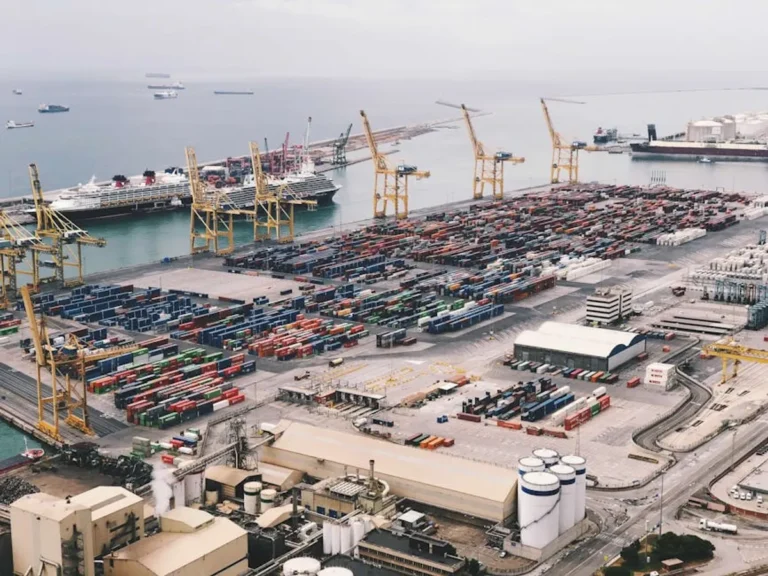
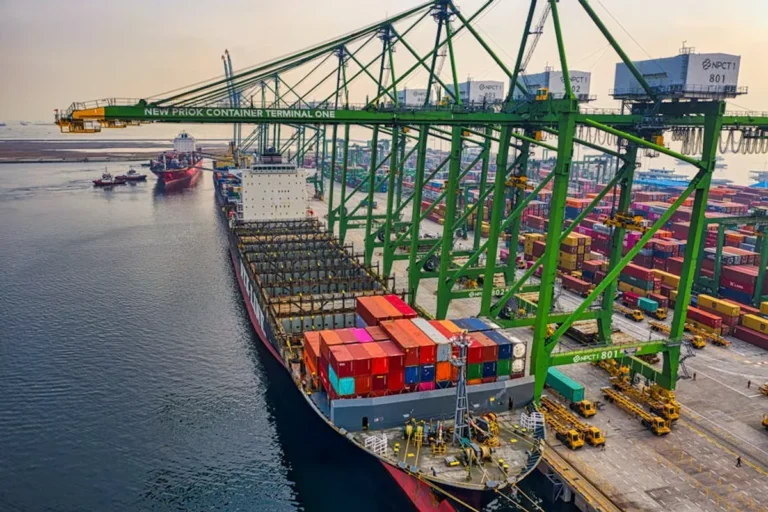
Technology is rapidly transforming container shipping, from automated ports to AI-driven logistics, fundamentally altering efficiency, transparency, and.
Anneke is a trade journalist who has spent the past twelve years covering ocean freight, port operations and the chartering market from Rotterdam. She started on the desk at a Dutch logistics weekly, did a stint covering bunker markets and IMO regulation, and now writes the kind of straight-talking shipping copy that chartering managers and port officials actually read on a Monday morning. The reporting here is sourced from shipping lines, terminal operators, ship managers, broker desks and the regulators who set the rules everyone else has to live with. No press-release journalism, no rankings of the world's most reliable carriers, no breathless coverage of the next mega-vessel order. Just the trade-press work that the industry has always relied on and that a smaller number of outlets continue to do properly.
Page 13 of 28 334 articles total
Technology is rapidly transforming container shipping, from automated ports to AI-driven logistics, fundamentally altering efficiency, transparency, and.
Shipping documentation is fundamental for reliable supply chains, ensuring legal compliance, operational efficiency, and accurate data.
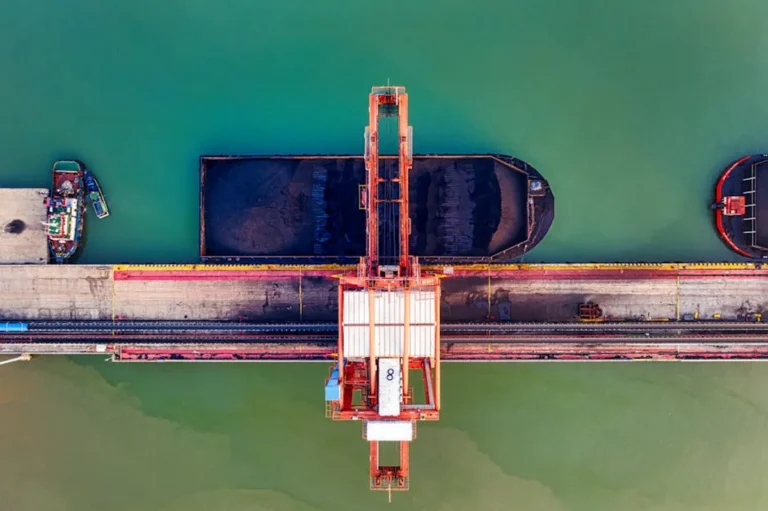
Port automation and bulk shipping represent distinct approaches to cargo handling, each optimized for different cargo types, operational costs, and efficiency.
Logistics managers often stumble in supply chain visibility, facing issues from fragmented data to neglecting lower-tier suppliers, hindering efficiency and.
Export compliance prevents legal penalties from trade regulation breaches; shipping delays are operational disruptions.
Learn common transshipment mistakes supply chain teams make, from regulatory oversights to poor partner selection, and how to avoid them for efficient…
Learn how to strategically select Incoterms, optimize freight, manage insurance, and navigate customs to significantly reduce international trade costs.
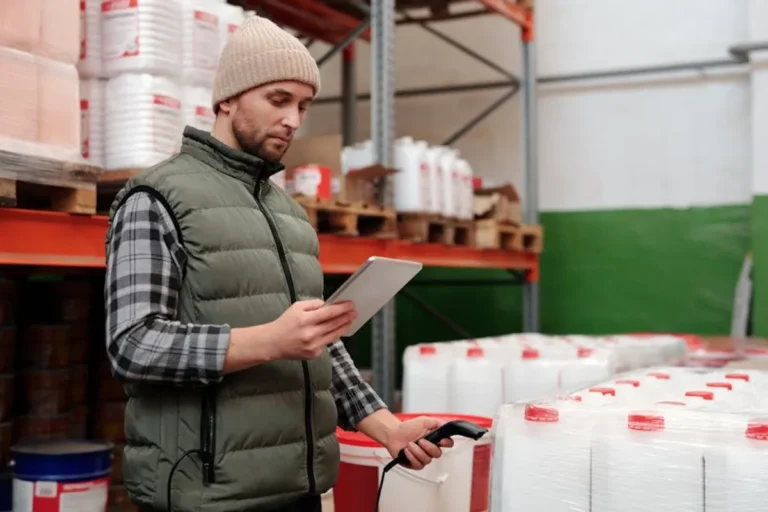
New to warehouse logistics? Learn the critical errors beginners often make, from poor demand forecasting to inefficient layouts, and discover actionable.
Cold chain logistics is critical for maintaining product integrity and safety for temperature-sensitive goods, requiring specialized infrastructure and.
Importers navigating global trade rely on ocean freight for cost-effective shipping. This guide details processes, costs, and key considerations for successful.
Logistics managers often make critical errors in green shipping, from overlooking data-driven route optimization to neglecting accurate emissions reporting.
Beginners can achieve robust supply chain visibility by integrating supplier data, implementing real-time tracking, and synchronizing inventory, reducing costs.