Last-mile delivery, the final leg of a product's journey from a distribution center to the customer's doorstep, represents a disproportionately significant component of the overall supply chain. While it accounts for a relatively short physical distance, its impact on operational costs, customer satisfaction, and brand reputation is profound. Businesses that overlook its strategic importance risk eroding profitability, damaging customer loyalty, and undermining the reliability of their entire logistics network. Understanding why this segment matters is critical for any enterprise aiming for robust, resilient, and customer-centric supply chain operations.
Defining Last-Mile Delivery's Critical Role
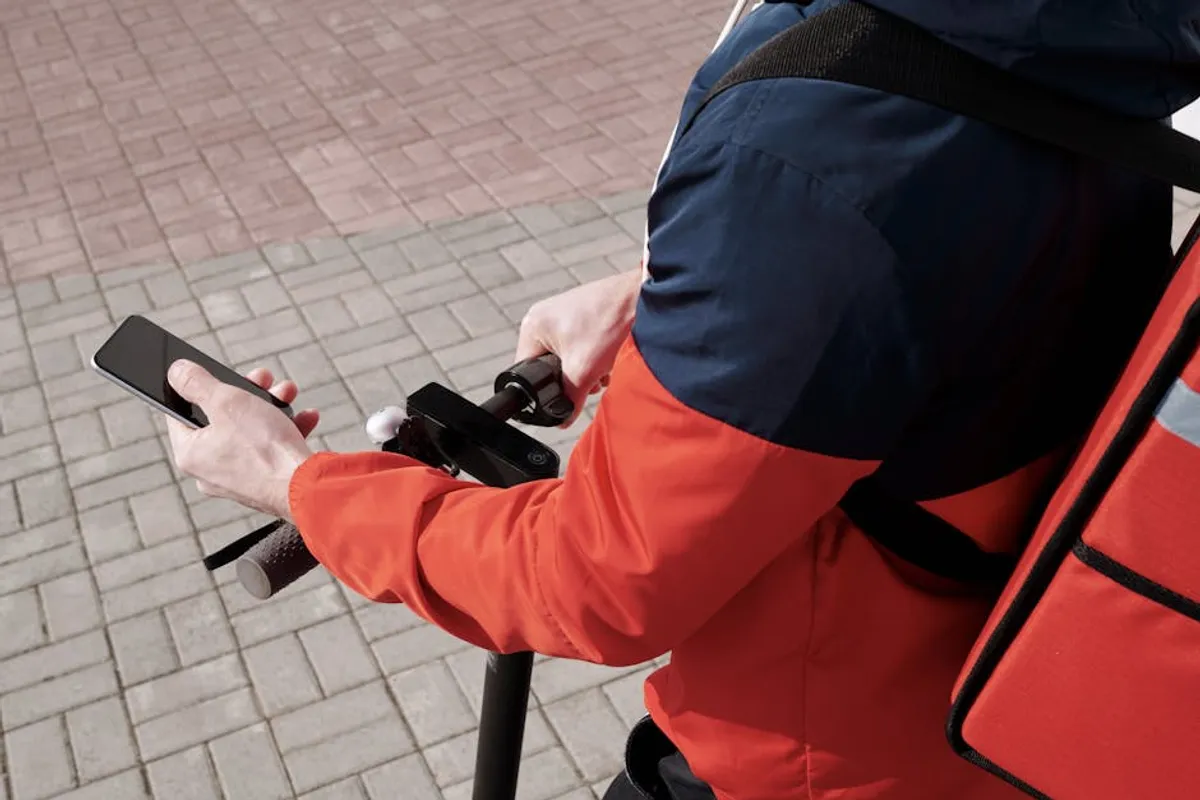
Last-mile delivery encompasses the movement of goods from a transportation hub to the final delivery destination. This phase is characterized by its inherent complexities: navigating urban traffic, managing diverse delivery addresses, handling varied package sizes, and coordinating with end customers. It is often the most expensive part of the shipping process, frequently consuming over half of total shipping costs due to inefficiencies like failed deliveries, fragmented routes, and high fuel consumption in dense areas.
Its critical role stems from being the direct point of contact between a business and its customer. All prior efficiencies in manufacturing, warehousing, and long-haul transportation can be negated by a poor last-mile experience. A reliable supply chain, therefore, hinges on a meticulously managed last mile that ensures timely, accurate, and cost-effective delivery, directly influencing customer retention and future purchase decisions. This emphasis on reliability underscores the value of improving supply chain visibility in last mile operations.
Direct Impacts on Customer Experience and Brand Reputation
Meeting Customer Expectations
Today's consumers expect rapid, predictable, and transparent delivery. Businesses must provide accurate estimated delivery times, real-time tracking, and proactive communication regarding any delays. Failure to meet these expectations leads to customer frustration, negative reviews, and a high rate of abandoned carts. A seamless last-mile experience, conversely, builds trust and reinforces brand loyalty, turning a logistical necessity into a competitive differentiator.
Key expectation points:
- Speed: Same-day or next-day options are becoming standard.
- Accuracy: Delivering the correct item to the right location.
- Communication: Proactive updates via SMS, email, or app notifications.
- Flexibility: Options for rescheduling or alternate delivery locations.
Returns Management and Reverse Logistics
The efficiency of last-mile operations extends beyond initial delivery to reverse logistics—the process of handling returns. A streamlined last-mile network can facilitate easier, faster, and more cost-effective product returns. This positively impacts customer satisfaction, as a hassle-free return process encourages repeat business. Conversely, a cumbersome return experience can deter future purchases and damage brand perception.
Pro Tip: Implement a robust communication strategy for last-mile deliveries. Proactive notifications about delivery status, potential delays, and successful drop-offs can significantly reduce customer service inquiries and improve satisfaction, even when unforeseen issues arise. Transparency builds trust.
Operational Efficiencies and Cost Implications
Fuel, Labor, and Vehicle Utilization
Optimizing last-mile delivery directly addresses the substantial costs associated with fuel, labor, and fleet management. Route optimization software, for instance, can reduce mileage by identifying the most efficient paths, consolidating deliveries, and minimizing idle time. This directly cuts fuel consumption and vehicle wear-and-tear. Furthermore, efficient routing maximizes driver productivity, allowing more deliveries per shift and reducing overtime expenses.
Inventory Management and Warehouse Optimization
Effective last-mile strategies impact upstream inventory management. By ensuring rapid product movement from distribution centers to customers, businesses can reduce the need for large, costly inventory holdings. Faster turnover frees up capital and warehouse space. Integrating last-mile data with inventory systems allows for more accurate demand forecasting and stock replenishment, preventing both stockouts and overstocking.
Technology Integration for Visibility and Control
Modern last-mile operations rely heavily on technology to achieve reliability and efficiency. This includes:
- Route Optimization Software: Dynamically plans the most efficient delivery paths.
- Real-time Tracking: Provides visibility for both dispatchers and customers.
- Delivery Management Platforms: Centralizes order processing, driver assignments, and performance monitoring.
- Predictive Analytics: Forecasts demand, identifies potential delays, and optimizes resource allocation.
- Electronic Proof of Delivery (ePOD): Digital confirmation of receipt, reducing disputes and improving accountability.
These tools provide critical data insights, enabling continuous improvement and agile responses to operational challenges.
Mitigating Risks and Enhancing Supply Chain Resilience
Diversification of Delivery Methods
Relying on a single delivery method or carrier introduces significant risk. A resilient last-mile strategy often involves diversifying options, including in-house fleets, third-party logistics (3PL) providers, local courier services, and even emerging technologies like drone delivery or autonomous vehicles in specific contexts. This diversification ensures continuity of service during peak seasons, labor shortages, or regional disruptions.
Data-Driven Route Optimization
Beyond static route planning, real-time data integration allows for dynamic route adjustments based on live traffic conditions, weather patterns, and unexpected road closures. This proactive approach minimizes delays and reroutes drivers efficiently, maintaining delivery schedules even in the face of unforeseen circumstances. The ability to adapt quickly is a hallmark of a reliable supply chain.
Contingency Planning for Disruptions
A reliable supply chain incorporates robust contingency plans for last-mile disruptions. This includes having backup drivers, alternative vehicles, emergency staging locations, and clear communication protocols for informing customers of unavoidable delays. Proactive planning for scenarios like severe weather, vehicle breakdowns, or sudden increases in demand strengthens the overall resilience of the delivery network.
Strategic Focus for Last-Mile Success
The last mile is no longer a mere logistical afterthought; it is a strategic imperative for businesses aiming to build reliable supply chains and foster customer loyalty. Investing in advanced technology, optimizing operational processes, and cultivating a flexible, diversified delivery network are non-negotiable steps. Enterprises must continuously analyze performance metrics, adapt to evolving customer expectations, and proactively mitigate risks to transform their last-mile operations into a source of competitive advantage and sustained profitability.
Frequently Asked Questions About Last-Mile Delivery
What are the biggest challenges in last-mile delivery?
Key challenges include high operational costs due to fuel and labor, traffic congestion, inefficient routing, failed delivery attempts, managing customer expectations for speed and transparency, and the need for scalable solutions during peak demand.
How does last-mile delivery impact profitability?
Inefficient last-mile operations can account for over 50% of total shipping costs, directly eroding profit margins. Conversely, optimized last-mile delivery reduces fuel consumption, labor expenses, and return rates, while improving customer satisfaction and repeat business, thereby boosting profitability.
What technologies are essential for optimizing last-mile delivery?
Essential technologies include route optimization software, real-time GPS tracking, delivery management platforms, electronic proof of delivery (ePOD) systems, and predictive analytics tools for demand forecasting and risk mitigation.
How can businesses improve their last-mile performance?
Businesses can improve performance by investing in route optimization software, offering flexible delivery options, enhancing communication with customers, leveraging data analytics for continuous improvement, and diversifying their delivery partnerships to build resilience.