For manufacturers dealing with cargo that doesn't fit standard containers, understanding breakbulk shipping is essential for efficient logistics and cost control. While containerization dominates global trade due to its standardization and speed, a significant portion of industrial goods, project cargo, and oversized equipment still requires specialized handling. Choosing the right shipping method directly impacts transit times, freight costs, and the condition of goods upon arrival. This guide clarifies what breakbulk cargo entails, when it becomes the optimal choice, and the practical considerations manufacturers must address to leverage its unique advantages. Manufacturers must also ensure they have the essential shipping documentation in order to avoid delays and complications.
Understanding Breakbulk Cargo
Breakbulk cargo refers to goods that must be loaded individually, rather than in standard intermodal containers or as bulk cargo (like grain or oil). These shipments are typically transported in individual pieces, bales, drums, crates, or on pallets, and are often too large, heavy, or irregularly shaped to fit into conventional shipping containers. Unlike bulk cargo, which is homogeneous and handled in large quantities (e.g., loose cement, coal), breakbulk items are distinct units requiring specific lifting and stowage procedures.
Defining Breakbulk vs. Other Shipping Methods
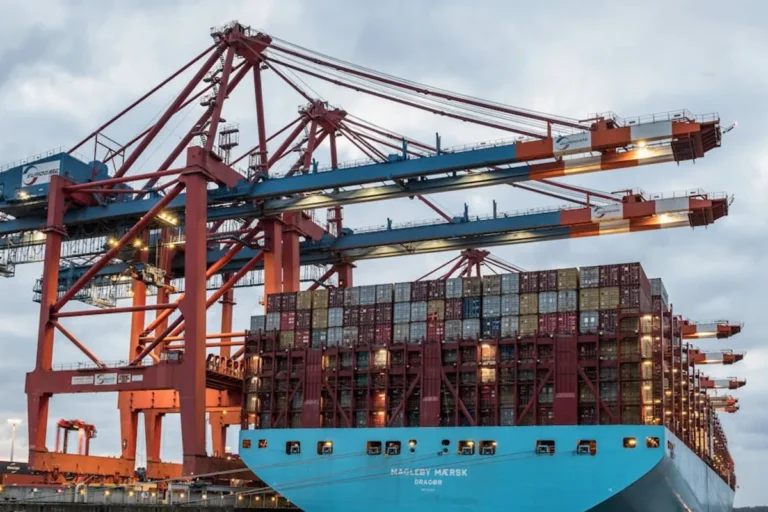
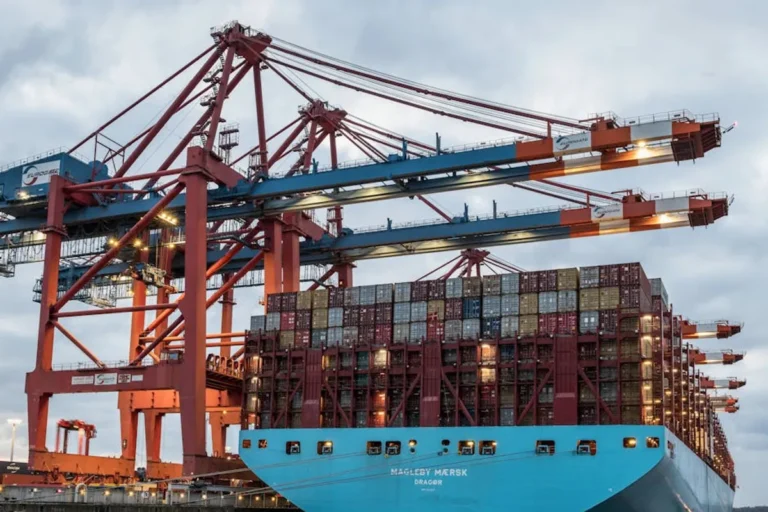
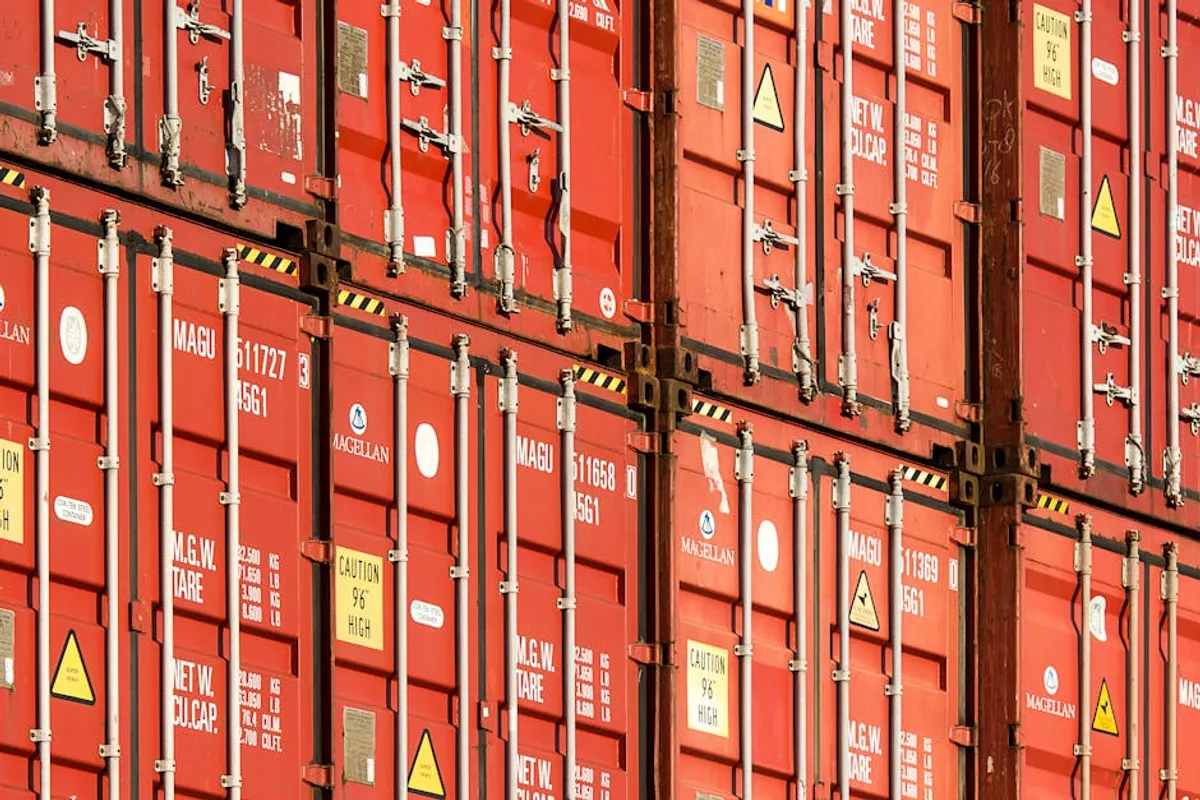
The distinction between breakbulk, containerized, and bulk shipping lies in the handling and packaging. Containerized freight offers standardization, allowing goods to be packed into 20-foot or 40-foot containers, which are then easily transferred between ships, trains, and trucks. This method excels in efficiency for uniform, smaller goods. Bulk cargo, on the other hand, is shipped unpackaged in massive quantities, directly into a vessel's holds, suitable for commodities that don't require individual protection. Breakbulk occupies the middle ground, handling discrete, often unique, items that cannot be containerized but are not homogeneous enough for bulk transport.
Common Characteristics of Breakbulk Shipments
Breakbulk shipments share several defining characteristics that necessitate specialized logistics:
- Oversized Dimensions: Items exceed the internal dimensions of standard shipping containers (e.g., large machinery, industrial components, wind turbine blades).
- Excessive Weight: Individual pieces are too heavy for standard container weight limits or typical container handling equipment.
- Irregular Shapes: Cargo with non-uniform dimensions or protrusions that prevent efficient packing into rectangular containers.
- Project Cargo: Often part of large-scale industrial projects, requiring coordinated transport of multiple diverse components.
- Specialized Handling: Requires specific lifting gear (cranes, slings, gantries) and skilled personnel at origin, transit, and destination ports.
These attributes mean that breakbulk cargo cannot simply be loaded and unloaded with automated container cranes; instead, each piece often requires individual attention and a tailored loading plan.
When Breakbulk Becomes the Preferred Option for Manufacturers
Manufacturers typically consider breakbulk when their products fall outside the parameters of containerized shipping or when specific project requirements dictate its use. It is not a default choice but a strategic one driven by cargo specifics and logistical needs.
Ideal Cargo Types for Breakbulk
Manufacturers across various sectors frequently utilize breakbulk for:
- Heavy Machinery: Construction equipment, mining machinery, industrial presses, generators.
- Energy Components: Wind turbine components (blades, nacelles, tower sections), oil and gas exploration equipment, power transformers.
- Manufacturing Plant Components: Disassembled factory lines, large tanks, reactors, boilers.
- Infrastructure Materials: Steel beams, pipes, railway tracks, bridge sections.
- Vehicles: Large trucks, buses, specialized vehicles, yachts (often shipped on RoRo vessels, a sub-category of breakbulk).
These items, due to their size and weight, would be impractical or impossible to ship via standard container services.
Key Benefits for Specific Manufacturing Needs
For manufacturers, breakbulk offers distinct advantages that can outweigh the complexities:
Cost-Effectiveness for Non-Containerizable Goods: While per-unit handling costs can be higher, breakbulk eliminates the need for expensive dismantling and reassembly of large items that would otherwise not fit into containers. This reduces overall project costs for oversized cargo, as it avoids the expense of fabricating custom containers or using multiple standard containers for a single large item.
Direct Port-to-Port Service: Breakbulk vessels often call at less congested, specialized ports capable of handling heavy lifts, potentially reducing transit times compared to trans-shipment through major container hubs. This direct service can minimize handling points and associated risks.
Flexibility in Stowage: Ships designed for breakbulk have large open holds and robust lifting capabilities, allowing for diverse cargo types to be stowed efficiently. This flexibility is crucial for project cargo, where multiple components of varying sizes and shapes need to be shipped together.
Reduced Risk of Damage for Delicate Oversized Items: When properly secured, breakbulk cargo can be more stable than items forced into containers or trans-shipped multiple times. Expert lashing and dunnage (materials used to secure cargo) ensure items are protected from movement during transit.
Operational Considerations and Challenges
Successful breakbulk shipping requires meticulous planning and coordination. Manufacturers must be aware of the specific operational demands and potential challenges.
Packaging and Handling Requirements
Packaging for breakbulk cargo goes beyond standard crating. It involves robust, often custom-built, wooden crates, skids, or frames designed to protect against impact, moisture, and vibration. Lifting points must be clearly marked and structurally sound to withstand the forces of hoisting. Manufacturers must provide precise weight and dimension specifications, along with detailed lifting instructions, to the carrier. Improper packaging or inaccurate data can lead to delays, damage, and increased costs.
Port Operations and Transit Times
Breakbulk operations are more labor-intensive and time-consuming than container handling. Each piece is loaded and unloaded individually, often requiring specialized port equipment and skilled stevedores. This can lead to longer port stays for vessels. Manufacturers should factor in potential delays due to weather conditions affecting open-deck loading, port congestion, and the availability of specialized equipment. Transit times can also vary more widely than with container shipping due to less frequent sailing schedules for specialized breakbulk vessels.
Cost Structure and Factors
The cost of breakbulk shipping is highly variable and depends on several factors:
- Cargo Dimensions and Weight: Heavier and larger pieces incur higher costs due to specialized handling and stowage.
- Route and Vessel Availability: Less frequent routes or limited vessel capacity can drive up prices.
- Port Charges: These include stevedoring, wharfage, and terminal handling fees, which are often higher per unit for breakbulk.
- Insurance: Due to the unique nature and higher perceived risk of breakbulk, insurance premiums can be significant.
- Packaging and Lashing: Custom packaging and professional lashing services add to the overall cost.
- Ancillary Services: Inland transport, customs clearance, and surveying services contribute to the total logistics expenditure.
Manufacturers should obtain detailed quotes that itemize all these components to understand the true cost.
Pro Tip: Accurate and detailed documentation is paramount for breakbulk shipments. Any discrepancies in cargo manifests, dimensions, or weight declarations can lead to significant delays, fines, and potential cargo rejection at ports. Ensure all paperwork, including bills of lading, packing lists, and customs declarations, precisely matches the physical cargo and is submitted well in advance of vessel arrival.
Partnering for Successful Breakbulk Operations
Given the complexities, selecting the right logistics partner is critical for manufacturers engaging in breakbulk shipping.
Selecting a Breakbulk Freight Partner
When choosing a freight forwarder or carrier for breakbulk, manufacturers should prioritize partners with a proven track record and specific expertise:
- Experience with Similar Cargo: Look for partners who have successfully managed shipments of similar size, weight, and type to your cargo.
- Global Network and Port Relationships: A strong network ensures access to specialized vessels and reliable port services in both origin and destination regions.
- Technical Expertise: The partner should demonstrate in-depth knowledge of lashing, dunnage, load planning, and heavy-lift operations.
- Communication and Visibility: Clear, proactive communication regarding vessel schedules, port operations, and potential challenges is crucial.
- Insurance and Risk Management: Verify their insurance coverage and their approach to mitigating risks associated with oversized or high-value cargo.
A capable partner can navigate the intricacies of breakbulk logistics, providing manufacturers with peace of mind and ensuring timely, safe delivery.
Strategic Breakbulk Implementation
For manufacturers, breakbulk cargo is not merely an alternative shipping method; it is a strategic logistical solution for goods that defy conventional containerization. By understanding its specific requirements, benefits, and challenges, manufacturers can make informed decisions that optimize their supply chain for oversized, heavy, or project cargo. Proactive planning, precise documentation, and collaboration with experienced freight partners are the cornerstones of successful breakbulk operations, ensuring that specialized goods reach their destination efficiently and intact, supporting global manufacturing and infrastructure development.
Frequently Asked Questions
What types of cargo are best suited for breakbulk shipping?
Breakbulk shipping is ideal for oversized, heavy, or irregularly shaped goods that cannot fit into standard shipping containers. This includes large machinery, industrial plant components, wind turbine blades, steel beams, and specialized vehicles.
How does the cost of breakbulk shipping compare to container shipping?
While per-unit handling costs for breakbulk can be higher due to specialized equipment and labor, it can be more cost-effective overall for non-containerizable items. It avoids the expenses of dismantling, reassembling, or creating custom containers for large freight.
What are the main risks associated with breakbulk shipping?
Key risks include potential damage during individual handling, longer transit times due to less frequent vessel schedules and port operations, and increased susceptibility to weather conditions during loading. Meticulous planning and proper cargo securing mitigate these risks.
How do manufacturers find a reliable breakbulk freight partner?
Manufacturers should seek partners with demonstrated experience in handling similar cargo types, a strong global network, technical expertise in load planning and lashing, and a commitment to transparent communication and robust risk management.