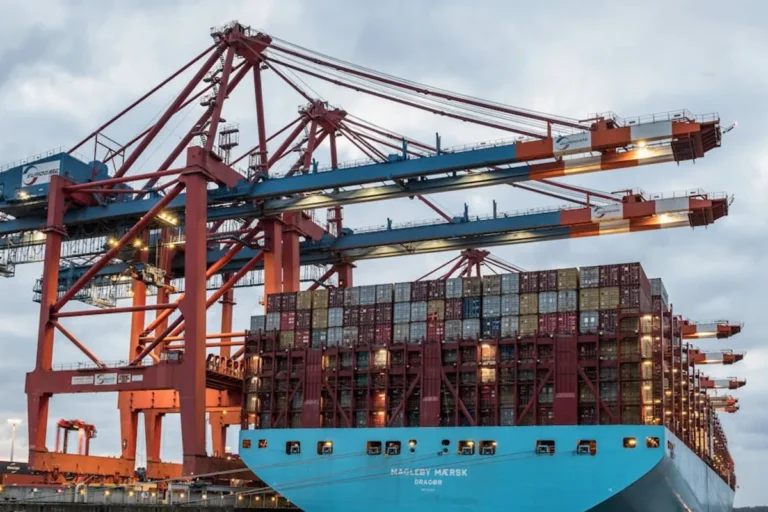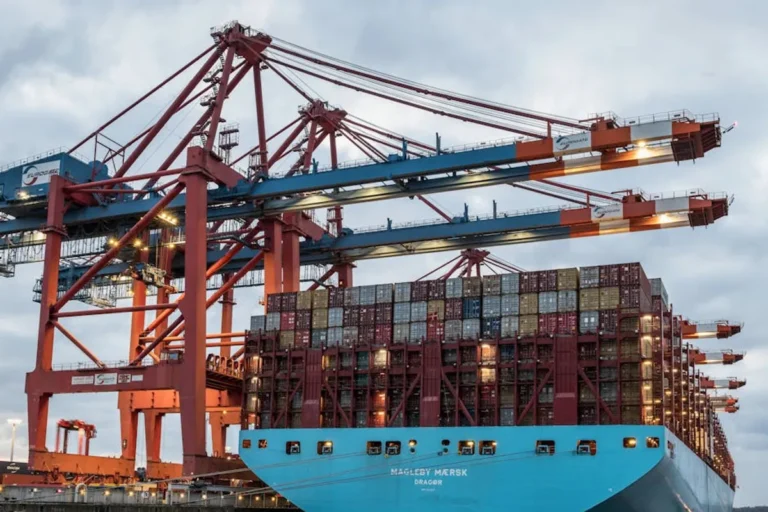
Supply chain visibility has transitioned from a desirable operational enhancement to a fundamental requirement for business resilience and competitive advantage. In an era marked by geopolitical shifts, climate-related disruptions, and evolving consumer expectations, understanding and predicting the movement of goods is no longer optional. This year, the focus intensifies on leveraging advanced technologies and strategic frameworks to achieve granular, real-time insight across the entire supply network. Businesses unable to adapt risk increased costs, delivery delays, and reputational damage. The trends outlined below represent the critical areas where investment and strategic attention will yield the most significant returns in operational efficiency and risk mitigation. Achieving reliable supply chain operations is critical for business resilience and competitive advantage.
The Core Shift: From Reactive to Predictive Visibility
Historically, supply chain visibility often meant understanding where goods were after an event occurred – a reactive approach. The current imperative is to move towards predictive capabilities, anticipating disruptions and optimizing flows before they impact operations. This shift is powered by sophisticated data analysis and machine learning, transforming raw data into actionable foresight.
AI and Machine Learning for Demand Forecasting and Risk Mitigation
Artificial Intelligence (AI) and Machine Learning (ML) are central to this predictive evolution. Instead of relying solely on historical sales data, AI models analyze a multitude of external factors: weather patterns, geopolitical news, social media sentiment, economic indicators, and even competitor actions. This enables more accurate demand forecasting, reducing both overstocking and stockouts.
For risk mitigation, ML algorithms identify patterns indicative of potential disruptions. For example, by analyzing port congestion data, shipping schedules, and weather forecasts, systems can flag potential delays in specific trade lanes weeks in advance. This allows for proactive re-routing, inventory adjustments, or communication with affected customers, minimizing the financial and reputational fallout. The effectiveness of these systems hinges on the quality and breadth of integrated data sources.
Enhanced Data Integration and Interoperability
Achieving comprehensive visibility requires breaking down data silos that often exist between internal departments (procurement, logistics, sales) and external partners (suppliers, carriers, 3PLs). The ability to seamlessly integrate diverse data types from disparate systems is paramount, moving beyond simple EDI connections to more dynamic, API-driven exchanges.
Digital Twins and Control Towers
Digital twins are virtual replicas of physical supply chain components, processes, or even the entire network. These dynamic models integrate real-time data from IoT sensors, enterprise resource planning (ERP) systems, and external sources to simulate scenarios, predict outcomes, and optimize performance. For instance, a digital twin of a warehouse can simulate the impact of a new picking strategy or a sudden surge in order volume before any physical changes are made.
Supply chain control towers act as centralized, integrated platforms that provide end-to-end visibility across the entire supply network. They aggregate data from all relevant sources—transportation management systems, warehouse management systems, supplier portals, and IoT devices—to offer a single, real-time operational view. This allows for proactive identification of exceptions, rapid decision-making, and coordinated responses across multiple stakeholders.
Pro Tip: Implementing a control tower or digital twin requires a robust data governance strategy. Without clean, standardized, and consistently updated data, even the most advanced visibility tools will yield inaccurate or misleading insights, undermining their value proposition.
Sustainability and Ethical Sourcing Transparency
Consumer demand for ethically sourced and sustainable products, coupled with increasing regulatory scrutiny, is driving a need for unprecedented transparency regarding the origin and environmental impact of goods. Supply chain visibility now extends beyond logistical tracking to encompass social and environmental compliance.
Blockchain for Provenance and Compliance
Blockchain technology offers a decentralized, immutable ledger that can record every transaction and movement of a product from its raw material stage to the end consumer. This provides an unalterable audit trail for provenance, ensuring claims about origin, fair labor practices, or organic certifications are verifiable.
- Enhanced Trust: Immutable records build confidence among consumers and regulators regarding product claims.
- Fraud Reduction: Difficult to alter records deter counterfeiting and unauthorized substitutions.
- Compliance Verification: Simplifies auditing for regulatory requirements (e.g., carbon footprint, labor standards).
- Recall Efficiency: Pinpoints affected batches or products quickly, reducing scope and cost of recalls.
- Supplier Accountability: Provides clear data on supplier performance regarding ethical and sustainable practices.
While not a standalone solution, blockchain integrates with other visibility tools to provide a layer of verifiable trust, particularly in complex, multi-tiered supply chains.
Last-Mile and Customer-Centric Visibility
The final leg of delivery, the 'last mile,' is often the most expensive and complex, yet it is also the most critical for customer satisfaction. Modern visibility trends emphasize empowering customers with precise, real-time information about their orders.
Real-Time Tracking and Personalized Updates
Leveraging GPS, IoT sensors on vehicles, and advanced telematics, companies can now offer minute-by-minute tracking of deliveries. This extends beyond a simple "out for delivery" status to provide estimated arrival times, driver location on a map, and even personalized alerts for potential delays. This level of transparency reduces customer service inquiries and improves delivery success rates by allowing recipients to prepare for arrival.
Best for: E-commerce, perishable goods, high-value items, and any business where customer expectation for delivery precision is high.
The data collected from last-mile operations also feeds back into the broader visibility ecosystem, providing insights into route optimization, driver performance, and potential bottlenecks in urban delivery networks.
Navigating the Visibility Landscape
Embracing these supply chain visibility trends requires a strategic, phased approach. Begin by identifying the most critical pain points in your current supply chain—whether it's unpredictable demand, supplier reliability, or customer delivery expectations. Prioritize initiatives that address these core issues, focusing on data quality and integration as foundational elements. Pilot programs with key partners can demonstrate value and build internal consensus before a broader rollout. The goal is not merely to track goods, but to transform data into intelligence that drives proactive decision-making, fosters resilience, and ultimately enhances competitive positioning.
Frequently Asked Questions
What is supply chain visibility?
Supply chain visibility refers to the ability to track products, information, and financial flows throughout the entire supply chain, from raw material sourcing to final delivery, providing real-time data and insights into the status and location of goods.
Why is supply chain visibility important?
It is crucial for identifying and mitigating risks, optimizing inventory levels, improving operational efficiency, reducing costs, enhancing customer satisfaction through accurate delivery information, and ensuring compliance with sustainability and ethical sourcing standards.
What are common challenges in achieving supply chain visibility?
Key challenges include data silos across disparate systems and partners, lack of data standardization, resistance to information sharing among stakeholders, integration complexities with legacy systems, and the sheer volume and velocity of data generated.
How can small businesses improve supply chain visibility?
Small businesses can start by standardizing data formats, implementing cloud-based tracking software, leveraging APIs for partner integration, focusing on key suppliers for initial data sharing initiatives, and utilizing basic IoT devices for asset tracking in critical areas.