Businesses engaged in global commodity trade face a fundamental choice in logistics: leveraging established bulk shipping methodologies or investing in advanced port automation. These two approaches represent distinct operational philosophies, capital expenditure requirements, and long-term strategic implications. Understanding their core differences is critical for optimizing supply chains, managing costs, and meeting evolving market demands. The decision impacts everything from cargo handling efficiency and labor management to overall throughput capacity and resilience against disruptions. Understanding their core differences is critical for optimizing supply chains, managing costs, and meeting evolving market demands, especially when considering port automation implementation.
Bulk Shipping: Traditional Logistics and Operational Realities
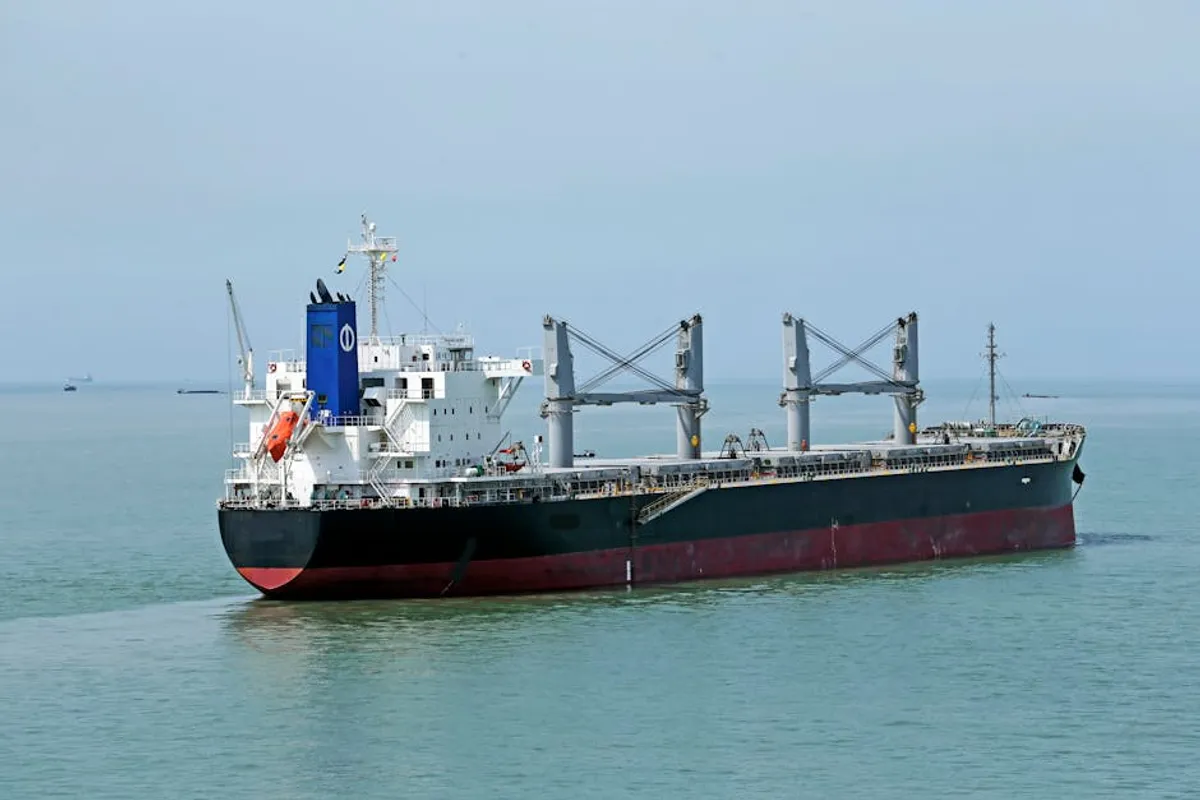
Bulk shipping refers to the transportation of unpackaged cargo in large quantities, typically loaded directly into a ship's hold. This method is primarily used for commodities that are homogeneous and transported in high volumes, such as grains, ores, coal, crude oil, and chemicals. The operational model relies on a combination of vessel capacity, port infrastructure designed for bulk handling (e.g., conveyor belts, grab cranes, pipelines), and a significant human labor component for loading, unloading, and ancillary services.
Operational Characteristics
Bulk shipping operations are characterized by their scale and specialized equipment. Dry bulk carriers, for instance, are designed with large, open holds for efficient loading and unloading of solid materials. Liquid bulk, carried by tankers, requires specialized pumping and storage systems. Turnaround times at ports can vary significantly based on cargo type, port congestion, and the availability of shore-side equipment and labor. Flexibility is inherent in the routing and scheduling, allowing for adjustments based on market demand or unforeseen events.
Commercial Implications
The commercial viability of bulk shipping is closely tied to economies of scale. Larger vessels generally offer lower per-unit transportation costs, making it the preferred method for high-volume, low-value commodities. However, this also means susceptibility to freight rate volatility, which can be influenced by global supply and demand dynamics, fuel prices, and geopolitical factors. Labor costs, while variable by region, constitute a significant operational expense. Investment in bulk shipping infrastructure typically involves vessel acquisition or chartering, alongside agreements with port operators for terminal access and handling services.
Port Automation: Technology-Driven Efficiency and Control
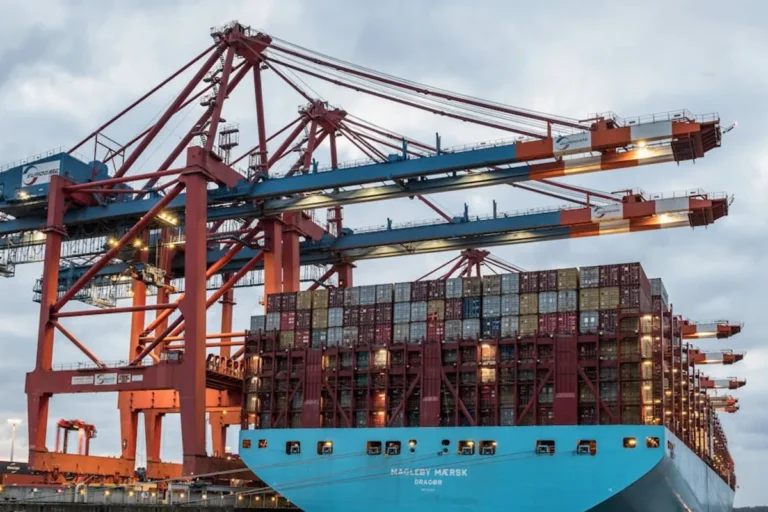
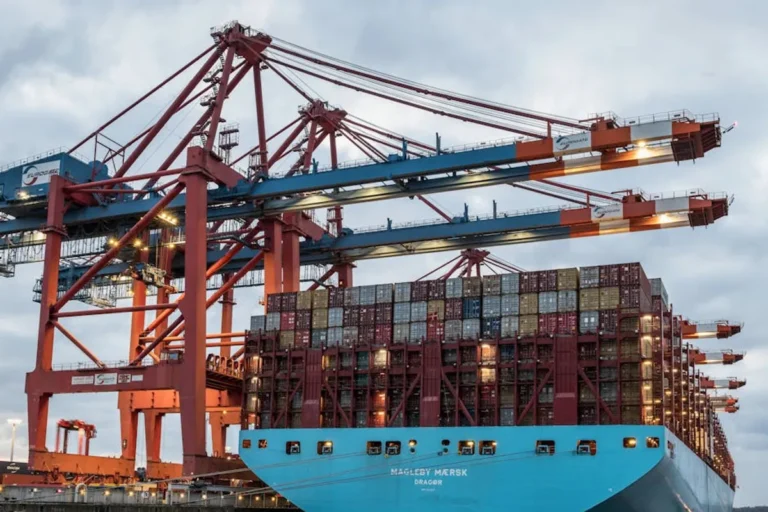
Port automation involves integrating advanced technologies and systems to streamline and optimize cargo handling, storage, and movement within a port facility. This encompasses a range of solutions, from automated stacking cranes (ASCs) and automated guided vehicles (AGVs) to intelligent gate systems, real-time data analytics, and predictive maintenance. The primary goal is to enhance operational efficiency, reduce manual labor dependency, improve safety, and increase throughput capacity with greater precision and reliability.
Technological Components
Modern automated ports leverage a suite of interconnected technologies. Key components include:
- **Automated Stacking Cranes (ASCs):** For precise container placement and retrieval in yards.
- **Automated Guided Vehicles (AGVs):** Driverless vehicles transporting containers between berths and stacking areas.
- **Automated Rail-Mounted Gantry (ARMG) Cranes:** Used for container handling in rail terminals.
- **Optical Character Recognition (OCR):** For automated container identification at gates and quays.
- **Internet of Things (IoT) Sensors:** Monitoring equipment performance, cargo conditions, and environmental factors.
- **Artificial Intelligence (AI) and Machine Learning (ML):** For optimizing traffic flow, predicting maintenance needs, and managing complex logistics.
These systems work in concert, often managed by a central Terminal Operating System (TOS) that orchestrates all movements and processes.
Strategic Advantages
The strategic benefits of port automation center on enhanced control and predictability. Automated systems operate with consistent precision, reducing human error and improving safety records. They can function 24/7, leading to higher throughput capacities and faster vessel turnaround times, particularly in container terminals. Labor costs are significantly reduced over the long term, although initial capital expenditure for technology and infrastructure is substantial. Data-driven insights from automated operations enable continuous optimization and better resource allocation, offering a competitive edge in global logistics.
Key Differences: Investment, Operations, and Impact
Investment vs. Operational Costs
Bulk shipping typically entails lower upfront capital investment for port infrastructure, relying on existing human-operated equipment. However, its operational costs are often higher due to significant labor requirements, potential for human error, and less predictable handling times. Port automation, conversely, demands substantial initial capital outlay for technology, civil works, and system integration. Its operational costs are generally lower in the long run, driven by reduced labor, optimized energy consumption, and minimized damage to cargo or equipment. The return on investment for automation is realized through increased efficiency and throughput.
Flexibility vs. Predictability
Traditional bulk shipping offers greater flexibility in adapting to varied cargo types, non-standard vessel configurations, and ad-hoc operational changes, often relying on manual adjustments. Automated ports, while highly efficient for standardized operations (like container handling), can be less flexible when confronted with unexpected cargo types or system deviations. Their strength lies in the predictability of operations, consistent cycle times, and adherence to predefined workflows, which minimizes delays and improves scheduling reliability.
Labor Requirements and Skill Sets
Bulk shipping is labor-intensive, requiring a large workforce for crane operation, stevedoring, and ground logistics. The skill sets are often traditional, focused on equipment operation and physical handling. Port automation drastically reduces the need for manual labor, shifting demand towards highly skilled technicians, IT specialists, and engineers for system maintenance, monitoring, and optimization. This transition necessitates significant retraining or recruitment of a new talent pool.
Throughput and Scalability
Automated ports generally achieve higher throughput rates per berth or terminal area compared to conventional bulk operations, especially in container handling. Their ability to operate continuously and coordinate movements with precision allows for maximized utilization of infrastructure. While bulk shipping can scale by adding more vessels or berths, automation scales through software optimization, predictive analytics, and the integration of more autonomous units, often without requiring proportional increases in human resources.
Risk Profiles
In bulk shipping, operational risks include human error, labor disputes, and slower response to unforeseen events. Safety incidents, while mitigated by protocols, are more frequent due to manual involvement. Automated ports mitigate many of these human-centric risks. However, they introduce new risks related to cybersecurity threats, system failures, software glitches, and the complexity of integrating diverse technologies. A single system malfunction can potentially halt large-scale operations, making robust IT infrastructure and redundancy critical.
Pro Tip: When evaluating port automation, look beyond the initial capital expenditure. Factor in the long-term operational savings from reduced labor, increased throughput, and minimized cargo damage. Quantify the value of enhanced data visibility and predictable scheduling for your entire supply chain, not just the port operations.
Strategic Considerations for Supply Chain Optimization
The choice between leveraging traditional bulk shipping infrastructure and investing in port automation is not mutually exclusive but often complementary across a global supply chain. For high-volume, standardized goods with predictable flows, automation offers unparalleled efficiency and cost control. For specialized, project-based, or highly variable cargo, the flexibility of conventional bulk handling remains advantageous. Businesses must assess their specific cargo types, trade routes, volume consistency, and long-term growth projections. Hybrid models, where specific port functions are automated while others remain manual, can provide a balanced approach, allowing for incremental investment and adaptation. The ultimate goal is to align logistics strategies with overall business objectives, balancing cost efficiency with operational resilience and market responsiveness.
Frequently Asked Questions
What types of cargo benefit most from port automation?
Containerized cargo, due to its standardized nature and high volume, benefits most significantly from port automation. Bulk commodities like grains or minerals can also benefit from specific automated handling systems (e.g., automated conveyor belts, stackers, reclaimers), but full terminal automation is more common for containers.
Does port automation eliminate all human jobs?
Port automation reduces the need for manual labor in repetitive and physically demanding tasks. It shifts the workforce towards higher-skilled roles in supervision, maintenance, IT management, data analysis, and system optimization, rather than eliminating all jobs entirely.
How does port automation affect vessel turnaround times?
Port automation typically reduces vessel turnaround times by enabling faster, more consistent, and 24/7 cargo handling operations. Automated systems minimize delays caused by human shift changes, breaks, or errors, leading to improved berth utilization and quicker ship departures.
Is port automation suitable for all port sizes?
While large, high-volume container ports are the primary adopters of full automation due to the significant capital investment required, smaller ports can implement modular automation solutions for specific processes, such as automated gate systems or yard management, to improve efficiency without a complete overhaul.