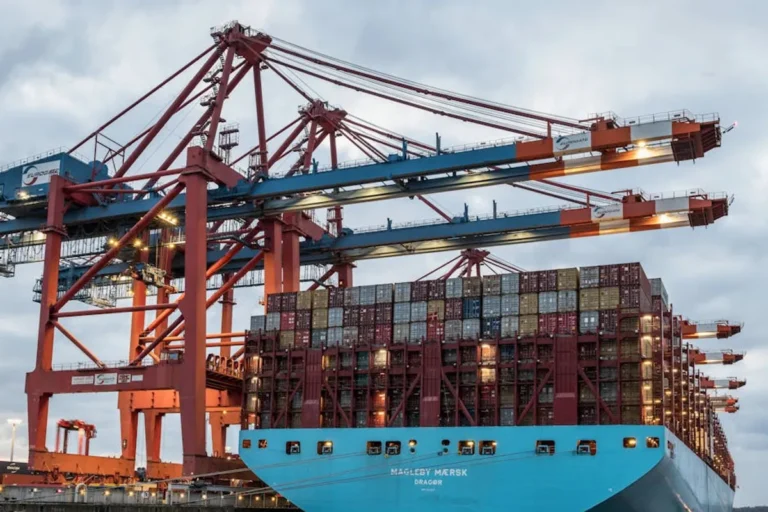
The global supply chain faces escalating pressures, from geopolitical instability and labor shortages to infrastructure bottlenecks and volatile fuel costs. In this complex environment, merely maintaining operational continuity is insufficient; businesses require resilience and predictable performance. Green shipping, often perceived primarily as an environmental initiative, is emerging as a critical framework for enhancing supply chain reliability. This approach moves beyond compliance, integrating sustainable practices that directly address operational inefficiencies, mitigate risks, and build a more robust, predictable logistics network.
The Imperative for Green Shipping in Modern Supply Chains
Green shipping is not solely about reducing carbon footprints; it is a strategic approach to optimizing logistics for long-term stability and cost predictability. Traditional shipping models often prioritize speed and low upfront cost, sometimes at the expense of environmental impact and, indirectly, supply chain resilience. For example, reliance on a single, carbon-intensive fuel source exposes operations to significant price volatility and regulatory shifts. Green shipping, by diversifying energy sources and optimizing transport modalities, helps insulate supply chains from such external shocks. This approach emphasizes shipping methods for reliable chains over traditional models.
The shift towards sustainable practices is driven by a confluence of factors: consumer demand for ethical products, investor pressure for ESG (Environmental, Social, and Governance) performance, and increasingly stringent global regulations. Companies that proactively integrate green shipping principles gain a competitive edge by demonstrating foresight and adaptability, translating into more reliable delivery schedules and reduced operational friction. This proactive stance helps avoid last-minute, costly adjustments to meet new standards, ensuring smoother transitions and uninterrupted service.
Operational Efficiencies and Cost Savings Through Sustainable Practices
Implementing green shipping strategies often leads to tangible operational efficiencies and significant cost reductions, directly contributing to supply chain reliability. These benefits are not incidental but are foundational to sustainable logistics.
- Fuel Optimization: Adopting slow steaming, optimizing vessel routes using weather routing software, and investing in aerodynamic truck designs demonstrably reduce fuel consumption. This translates into lower operational costs and less exposure to fluctuating fuel prices, which are a major source of unpredictability in logistics budgets.
- Improved Maintenance and Asset Lifespan: Regular maintenance, often a component of green fleet management, ensures equipment operates at peak efficiency. This reduces unexpected breakdowns, minimizes downtime, and extends the operational life of assets like ships, trucks, and cargo handling equipment, thereby enhancing reliability.
- Reduced Waste and Damage: Sustainable packaging solutions and optimized cargo loading techniques minimize product damage and waste during transit. This reduces the need for re-shipments, cuts down on insurance claims, and ensures a higher percentage of goods arrive intact and on schedule, directly supporting delivery reliability.
- Port and Route Optimization: Utilizing ports with efficient green infrastructure (e.g., shore power, electric tugs) can reduce turnaround times and avoid penalties associated with emissions in restricted zones. Strategic route planning, considering factors like traffic congestion and weather patterns, further streamlines operations and improves schedule adherence.
Pro Tip: Evaluate green shipping investments not just on environmental ROI, but on their direct impact on operational expenditure and risk mitigation. For instance, a 15% reduction in fuel consumption from route optimization can yield substantial annual savings, insulating your budget from market volatility and making delivery timelines more predictable.
Strengthening Supply Chain Resilience and Risk Management
A reliable supply chain is one that can withstand disruptions. Green shipping practices inherently build this resilience by diversifying operational strategies and reducing dependencies. For example, investing in a fleet capable of running on multiple fuel types (e.g., LNG, biofuels, traditional marine fuel) provides flexibility against single-source fuel shortages or price spikes. Similarly, decentralized warehousing strategies, often aligned with sustainability goals to reduce last-mile emissions, create redundancy that protects against localized disruptions.
Furthermore, green shipping emphasizes transparency and data-driven decision-making. Tracking emissions, fuel consumption, and cargo movements with greater granularity provides deeper insights into potential bottlenecks and vulnerabilities. This data allows for proactive adjustments, such as rerouting shipments to avoid areas prone to extreme weather events or selecting carriers with proven environmental compliance records, which often correlates with operational diligence and reliability.
Brand Equity, Regulatory Compliance, and Market Advantage
Beyond operational benefits, green shipping significantly enhances brand reputation and ensures compliance with evolving international and national regulations. Consumers and business partners increasingly prioritize sustainability, making eco-conscious logistics a differentiator. Brands that demonstrate a commitment to green shipping can command greater loyalty and access new markets where environmental standards are high.
From a regulatory standpoint, proactive adoption of green practices positions companies ahead of mandates like the IMO 2020 sulfur cap, EU Emissions Trading System (ETS) for shipping, or various national carbon pricing schemes. Early compliance avoids costly penalties and the rushed implementation of new technologies, which can disrupt established supply chain rhythms. This foresight translates into a more stable and predictable operating environment, safeguarding long-term supply chain reliability against regulatory uncertainties.
Strategic Implementation: Key Areas for Green Shipping Adoption
Integrating green shipping requires a multi-faceted approach, focusing on technology, partnerships, and internal processes.
Adopting Alternative Fuels and Technologies
This includes transitioning to lower-emission fuels like Liquefied Natural Gas (LNG), methanol, ammonia, or biofuels. Investment in electric vehicles for last-mile delivery and shore power connections at ports reduces local emissions and dependence on onboard generators. Hybrid vessels and advanced propulsion systems offer incremental gains in fuel efficiency and reduced environmental impact.
Optimizing Packaging and Load Factors
Redesigning packaging to be lighter, recyclable, or reusable reduces waste and often allows for more efficient loading, maximizing cargo per shipment. This directly reduces the number of trips required, cutting fuel consumption and associated emissions, while simultaneously improving the overall efficiency of the logistics network.
Collaborating with Eco-Conscious Partners
Selecting logistics providers, carriers, and port operators with verifiable sustainability credentials ensures that green initiatives extend across the entire supply chain. This includes partners utilizing eco-friendly fleets, implementing carbon offset programs, or participating in green certification schemes. Such collaborations build a network of reliable partners committed to shared environmental and operational goals.
Integrating Green Shipping for Long-Term Value
Green shipping is not merely a cost center or a compliance burden; it is an investment in the future reliability and profitability of supply chains. By reducing fuel consumption, optimizing routes, mitigating risks, and enhancing brand reputation, sustainable logistics practices contribute directly to a more resilient and predictable operational framework. Companies that embed green principles into their core logistics strategy will be better equipped to navigate future disruptions, meet evolving market demands, and secure a competitive advantage in an increasingly complex global trade environment.
Frequently Asked Questions About Green Shipping and Supply Chain Reliability
Does green shipping always mean higher initial costs?
While some green technologies, like alternative fuel vessels, may have higher upfront capital expenditures, many green shipping practices, such as route optimization software, slow steaming, and efficient packaging, offer immediate or short-term returns through reduced fuel consumption and waste, leading to overall cost savings and enhanced reliability.
How does green shipping affect delivery times?
Green shipping does not inherently mean slower delivery. Practices like optimized route planning, efficient port operations, and reduced cargo damage can actually improve delivery predictability and speed. While slow steaming reduces vessel speed, it also dramatically cuts fuel use and emissions, and can be integrated into schedules to maintain overall on-time performance.
What role do regulations play in driving green shipping adoption?
Regulations like the IMO 2020 sulfur cap, regional emissions trading schemes, and national carbon taxes significantly influence the adoption of green shipping. Proactive compliance not only avoids penalties but also positions companies as leaders, attracting environmentally conscious partners and customers, thereby securing long-term supply chain stability.
Can small businesses implement green shipping practices effectively?
Yes, many green shipping practices are accessible to businesses of all sizes. Small businesses can focus on initiatives like optimizing packaging, consolidating shipments, choosing eco-certified carriers, and implementing efficient last-mile delivery solutions. These steps contribute to both sustainability and operational reliability without requiring large-scale infrastructure investments.