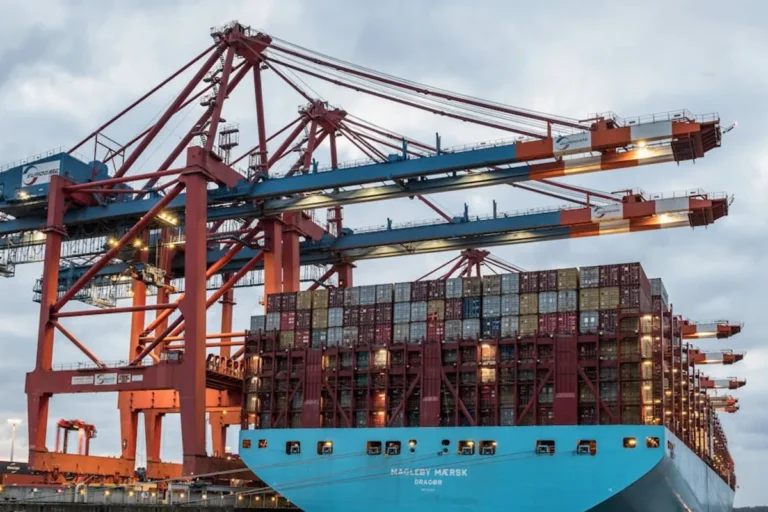
Export compliance is not merely a bureaucratic obligation; it is a foundational element for maintaining reliable, predictable supply chains in a globalized economy. Businesses that fail to integrate robust export compliance protocols face immediate operational disruptions, significant financial penalties, and lasting reputational damage. The true cost of non-compliance extends far beyond fines, impacting delivery schedules, customer trust, and long-term market access. Understanding why this adherence matters is crucial for any organization involved in international trade, as it directly influences the stability and efficiency of their entire supply network.
The Direct Impact of Non-Compliance on Supply Chain Operations
Ignoring or mismanaging export compliance creates tangible vulnerabilities within the supply chain, transforming potential profits into avoidable losses and delays. These impacts are not theoretical; they manifest as concrete operational challenges.
Operational Disruptions and Delays
Non-compliance frequently results in shipments being detained at customs checkpoints. This can occur due to incorrect commodity classifications, missing licenses, or incomplete documentation. Each detention event introduces unpredictable delays, extending lead times and disrupting production schedules. For instance, a critical component held at a port for two weeks due to an overlooked export license can halt an entire manufacturing line, leading to missed delivery commitments and contract penalties. These delays cascade through the supply chain, affecting downstream partners and end customers. The lack of predictability undermines inventory management and production planning, forcing companies to hold larger buffer stocks or risk stockouts. Delays can be mitigated with reliable freight options that prioritize compliance and efficiency.
Financial Penalties and Increased Costs
The financial ramifications of non-compliance are severe and multi-faceted. Government agencies impose substantial fines for violations of export control regulations, which can range from thousands to millions of dollars per infraction, depending on the severity and intent. Beyond direct penalties, companies incur increased operational costs. These include expedited shipping fees to compensate for delays, legal expenses for rectifying violations, and administrative costs associated with managing detained shipments. Furthermore, businesses might face higher insurance premiums or be deemed a higher risk by financial institutions, impacting their access to trade finance. The cumulative effect of these costs erodes profit margins and can jeopardize financial stability.
Reputational Damage and Loss of Trust
Publicized compliance failures can severely damage a company's reputation. News of export violations, especially those involving restricted parties or sensitive technologies, can lead to negative media coverage and public scrutiny. This erodes customer trust, making it harder to secure new contracts and retain existing clients. Supply chain partners may also become wary, preferring to work with entities that demonstrate consistent compliance to avoid association with risk. Government agencies might impose stricter scrutiny on future shipments or even revoke export privileges, effectively barring a company from certain international markets. Rebuilding a tarnished reputation is a long, expensive process that often outweighs the immediate costs of non-compliance. Companies with transparent supply chains are better equipped to demonstrate compliance and maintain customer trust.
Key Pillars of Effective Export Compliance for Supply Chain Resilience
Building a resilient supply chain requires a proactive approach to export compliance, focusing on several critical areas that prevent issues before they arise.
Accurate Classification and Documentation
Correctly classifying goods with the appropriate Harmonized System (HS) codes and Export Control Classification Numbers (ECCNs) is fundamental. Misclassification can lead to incorrect duties, taxes, and, critically, the application of inappropriate export controls. Each item must have precise documentation, including commercial invoices, packing lists, certificates of origin, and any required export licenses. Inaccurate or incomplete documentation is a primary cause of customs delays and penalties. Establishing a robust process for verifying and maintaining these classifications and documents ensures that every shipment meets regulatory requirements from the outset.
Sanctions Screening and Restricted Party Lists
Before any international transaction, companies must screen all parties involved—customers, vendors, intermediaries, and end-users—against various government-issued restricted party lists (e.g., OFAC Specially Designated Nationals List, EU Consolidated List, UN Security Council Sanctions List). Failing to do so risks engaging with sanctioned entities or individuals, leading to severe penalties and potential criminal charges. Automated screening tools are essential for efficiently managing this complex and constantly updated requirement, minimizing the risk of inadvertent violations.
End-Use and End-User Controls
Beyond who the goods are shipped to, companies must understand how and by whom the goods will be used. Many countries have strict controls on items that could be diverted for military, nuclear, chemical, or biological weapons programs. This requires due diligence to verify the legitimate end-use and end-user, often through end-user certificates or direct inquiries. Ignoring these controls can result in goods falling into unauthorized hands, leading to international legal and ethical repercussions for the exporter.
Recordkeeping and Audit Preparedness
Maintaining meticulous records of all export transactions for a specified period (often five years) is a legal requirement. This includes all shipping documents, licenses, screening results, communications, and internal compliance checks. These records are vital for demonstrating compliance during audits or investigations. An organized, accessible recordkeeping system ensures that a company can quickly respond to government inquiries, proving due diligence and mitigating potential penalties.
Pro Tip: Do not delegate full export compliance responsibility solely to freight forwarders without internal oversight. While freight forwarders handle logistics, the ultimate legal responsibility for export compliance rests with the exporter. Implement internal checks and balances to verify documentation and classifications, ensuring your company maintains direct control over its compliance posture.
Integrating Compliance into Supply Chain Strategy
Effective export compliance is not an afterthought; it is an integral component of a modern, resilient supply chain strategy.
Technology Adoption for Compliance Automation
Leveraging technology streamlines compliance processes and reduces human error. Dedicated Global Trade Management (GTM) software or modules within Enterprise Resource Planning (ERP) systems can automate tasks such as:
- Automated commodity classification suggestions.
- Real-time restricted party screening against updated lists.
- License determination and management.
- Electronic recordkeeping and audit trail generation.
- Integration with customs systems for faster declarations.
These tools enhance accuracy, speed up transactions, and provide a centralized system for managing compliance data across the enterprise.
Training and Internal Controls
A strong compliance culture starts with knowledgeable personnel. Regular training programs for all employees involved in the export process—from sales and procurement to logistics and legal—are essential. Training should cover specific regulations relevant to the company's products and markets, emphasizing the consequences of non-compliance. Establishing clear internal controls, such as dual verification for classifications or mandatory screening protocols, creates a robust framework that minimizes individual errors and ensures consistent adherence to policies.
Partner Vetting and Due Diligence
The reliability of a supply chain is only as strong as its weakest link. Thoroughly vetting all third-party partners, including suppliers, distributors, and logistics providers, is crucial. This due diligence should extend to their own compliance programs. Companies should assess partners' understanding and adherence to export regulations, potentially requiring contractual agreements that mandate compliance and allow for audits. A partner's compliance failure can directly impact your company's ability to deliver, making their compliance an extension of your own.
Practical Steps for Strengthening Supply Chain Compliance
To fortify your supply chain against compliance risks, implement these actionable steps:
Conduct a comprehensive compliance audit: Review current export processes, identify gaps, and assess risk exposure against all applicable regulations. This provides a baseline for improvement.
Develop a written Export Compliance Program (ECP): Document your company’s policies, procedures, and responsibilities for export activities. This serves as a guide for employees and evidence of due diligence for authorities.
Appoint a dedicated compliance officer or team: Centralize responsibility for overseeing export compliance, ensuring accountability and consistent application of policies.
Stay informed on regulatory changes: Export control laws and sanctions lists are dynamic. Implement a system for tracking updates from relevant government agencies (e.g., Department of Commerce, State Department, Treasury Department) and adjust internal procedures accordingly.
Regularly review and update technology: Ensure your compliance software is current and effectively integrated with your operational systems to leverage automation fully.
Frequently Asked Questions
What is the primary risk of neglecting export compliance for a supply chain?
The primary risk is severe disruption, leading to detained shipments, significant financial penalties, and damage to reputation, all of which compromise supply chain reliability and increase operational costs.
How often should a company review its export compliance program?
A company should review its export compliance program at least annually, or more frequently if there are significant changes in regulations, product lines, target markets, or internal organizational structure.
Can small businesses afford comprehensive export compliance?
Yes, small businesses must prioritize export compliance. While resources may be limited, scalable solutions exist, from leveraging freight forwarder expertise (with internal oversight) to adopting modular compliance software designed for smaller operations. The cost of non-compliance far outweighs proactive investment.
What role does technology play in modern export compliance?
Technology, such as Global Trade Management software, automates critical tasks like sanctions screening, classification, and license management, significantly improving accuracy, efficiency, and audit preparedness for complex global supply chains.