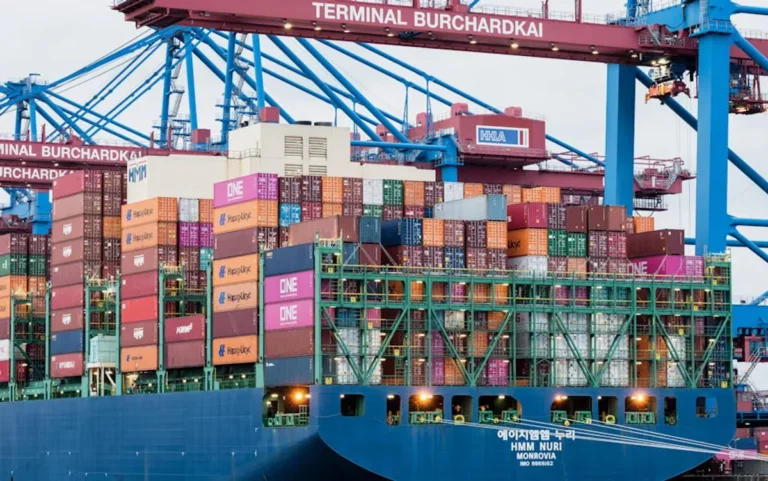
What Is warehouse logistics? A Practical Guide for small businesses
Learn the fundamentals of warehouse logistics, including receiving, storage, picking, and shipping, with this practical guide for small businesses.
Anneke is a trade journalist who has spent the past twelve years covering ocean freight, port operations and the chartering market from Rotterdam. She started on the desk at a Dutch logistics weekly, did a stint covering bunker markets and IMO regulation, and now writes the kind of straight-talking shipping copy that chartering managers and port officials actually read on a Monday morning. The reporting here is sourced from shipping lines, terminal operators, ship managers, broker desks and the regulators who set the rules everyone else has to live with. No press-release journalism, no rankings of the world's most reliable carriers, no breathless coverage of the next mega-vessel order. Just the trade-press work that the industry has always relied on and that a smaller number of outlets continue to do properly.
Page 15 of 28 334 articles total
Learn the fundamentals of warehouse logistics, including receiving, storage, picking, and shipping, with this practical guide for small businesses.
Supply chain teams often overlook critical export compliance errors, leading to significant penalties and operational disruptions.
Manufacturers must optimize last-mile delivery to control costs and elevate customer satisfaction.
Understand key Incoterms trends influencing global trade decisions this year, from increased EXW/FCA use to DDP's complexity, for strategic advantage.
Logistics managers often encounter shipping delays due to preventable errors; understanding and rectifying these common mistakes ensures operational efficiency.
Mitigate operational and financial risks from shipping delays with a comprehensive checklist for supply chain teams.
This checklist guides beginners through essential maritime insurance considerations, covering vessel details, operational risks, policy types, and claims.
Understanding the fundamental distinctions between air freight and ocean freight is crucial for optimizing supply chain efficiency and managing costs.
Businesses must track key green shipping trends like alternative fuels, digitalization, and regulatory changes to maintain competitive advantage and meet.
Breakbulk cargo is essential for reliable supply chains, accommodating oversized goods and accessing ports with limited infrastructure, ensuring critical.
Bulk shipping is a strategic imperative for reliable supply chains, offering cost efficiencies, streamlined logistics, and enhanced resilience against.
Freight teams must avoid common import duty mistakes like misclassification, incorrect valuation, and documentation errors to prevent costly penalties and.