The container shipping industry, a foundational pillar of global commerce, is undergoing a profound technological transformation. This shift is not merely incremental; it's redefining operational paradigms, competitive landscapes, and risk management strategies. For SEO professionals, marketers, site owners, agencies, and publishers operating within or adjacent to this sector, understanding these technological currents is critical. It impacts everything from market positioning and service offerings to content strategy and audience targeting. The integration of advanced technologies promises enhanced efficiency, unparalleled transparency, and new avenues for value creation, making a deep dive into these changes essential for any stakeholder aiming to navigate the evolving maritime logistics ecosystem effectively.
Enhancing Operational Efficiency Through Automation
Automation stands as a primary driver of change in container shipping, fundamentally altering how cargo is handled, transported, and tracked. The commercial implications are significant, leading to reduced labor costs, faster turnaround times, and increased throughput capacity. This translates directly to improved supply chain velocity and predictability, a key competitive differentiator.
Automated Port Infrastructure
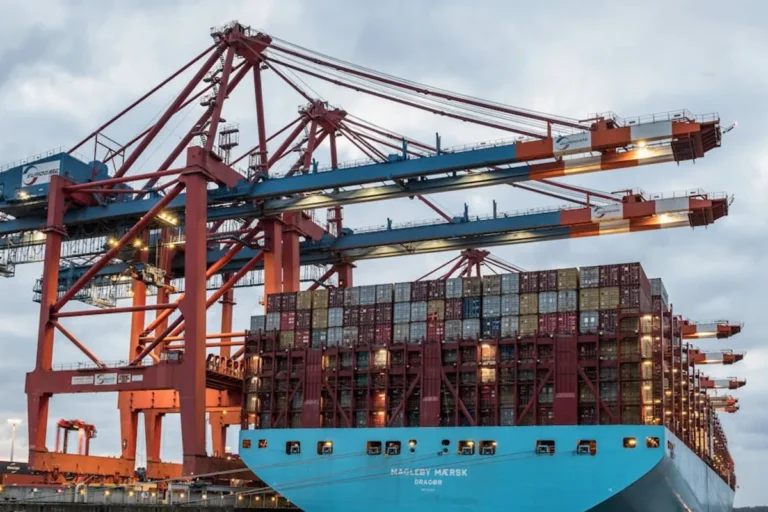
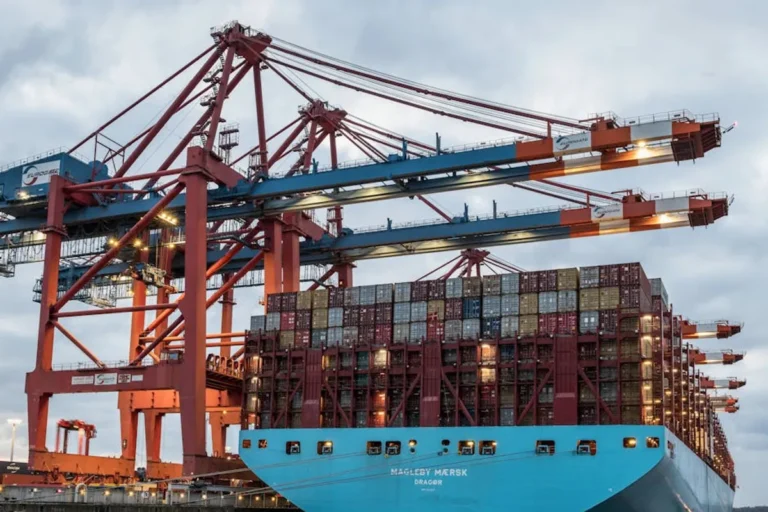
Modern container terminals increasingly deploy automated guided vehicles (AGVs), automated stacking cranes (ASCs), and robotic process automation (RPA) for gate operations. These systems reduce human intervention, minimizing errors and accelerating vessel loading and unloading. The benefit extends beyond speed; automated processes operate with greater precision, reducing damage to cargo and equipment, which directly impacts insurance costs and customer satisfaction. For businesses relying on timely freight, automated ports offer a more reliable and efficient gateway.
Autonomous Transport Systems
While fully autonomous container vessels are still in development, significant strides are being made in shore-side autonomous transport. Automated trucks and yard management systems are optimizing the movement of containers within port premises and distribution centers. This technology addresses labor shortages, improves safety, and allows for 24/7 operations, unconstrained by human shift patterns. The long-term vision includes autonomous last-mile delivery solutions, further integrating the shipping journey from port to final destination with minimal human oversight.
Real-time Visibility with IoT and Sensor Technology
The Internet of Things (IoT) and advanced sensor technology are revolutionizing cargo visibility and condition monitoring. This move from reactive problem-solving to proactive management provides unprecedented control over the shipping process, offering commercial advantages in risk mitigation and customer service.
Cargo Tracking and Condition Monitoring
IoT devices embedded within containers or attached to cargo provide real-time data on location, temperature, humidity, shock, and even light exposure. This granular data allows shippers and receivers to monitor sensitive goods (e.g., pharmaceuticals, perishables) throughout their journey, ensuring compliance with environmental requirements and preventing spoilage. The ability to pinpoint a container's exact location at any given moment significantly reduces the risk of loss or theft and improves estimated times of arrival (ETAs).
Predictive Maintenance for Vessels
Sensors on vessels monitor engine performance, fuel consumption, hull integrity, and other critical operational parameters. This data feeds into predictive maintenance models, allowing operators to schedule repairs before equipment failures occur. This proactive approach minimizes costly unscheduled downtime, extends asset lifespan, and optimizes fuel efficiency, directly impacting operational expenditures and service reliability.
AI and Machine Learning for Optimization and Forecasting
Artificial Intelligence (AI) and Machine Learning (ML) are transforming decision-making processes in container shipping, moving beyond human intuition to data-driven insights. These technologies enable sophisticated optimization, risk assessment, and forecasting capabilities that were previously unattainable.
Route and Capacity Optimization
AI algorithms analyze vast datasets, including weather patterns, port congestion, historical traffic data, and geopolitical events, to recommend optimal shipping routes. This not only reduces transit times and fuel consumption but also helps avoid potential disruptions. ML models also optimize vessel capacity utilization by accurately predicting demand and matching available space with cargo requirements, minimizing empty container movements and maximizing revenue per voyage.
Demand Prediction and Risk Mitigation
ML models can forecast future shipping demand with greater accuracy by analyzing economic indicators, seasonal trends, and past shipping volumes. This allows shipping lines to adjust their fleet deployment and capacity planning more effectively. Furthermore, AI can identify potential risks, such as port strikes, natural disasters, or customs delays, enabling proactive contingency planning and minimizing their impact on supply chains.
Blockchain for Supply Chain Transparency and Security
Blockchain technology offers a decentralized, immutable ledger that can enhance transparency, security, and efficiency across the complex container shipping supply chain. Its commercial value lies in reducing fraud, disputes, and administrative overhead.
Immutable Record Keeping
Every transaction, movement, and document related to a container can be recorded on a blockchain. This creates an unalterable, verifiable audit trail accessible to all authorized parties. Such transparency builds trust among stakeholders, from shippers and carriers to customs authorities and financial institutions, simplifying compliance and dispute resolution.
Streamlining Documentation
The shipping industry is notoriously paper-intensive, with numerous documents required for each shipment. Blockchain-based solutions can digitize and secure these documents, from bills of lading to customs declarations. This reduces processing times, eliminates manual errors, and accelerates financial settlements, ultimately lowering administrative costs and improving operational flow.
Data-Driven Decision Making
The confluence of IoT, AI, and blockchain generates an enormous volume of data. The ability to collect, process, and analyze this data effectively is perhaps the most significant technological shift, empowering stakeholders with actionable insights.
Analytics for Performance Improvement
Advanced analytics platforms aggregate data from various sources to provide comprehensive dashboards and reports on fleet performance, cargo status, operational costs, and environmental impact. This enables shipping companies to identify bottlenecks, optimize resource allocation, and continuously improve their service offerings. For customers, this means more reliable service, better cost control, and greater accountability from their logistics partners.
Pro Tip: Focus on data interoperability. While individual technological solutions offer distinct benefits, their true commercial power unlocks when data flows seamlessly between systems. Prioritize platforms and partners that support open standards and robust API integrations to avoid data silos and maximize the utility of your technological investments.
Strategic Imperatives for the Modern Shipping Industry
The technological evolution in container shipping demands a proactive and strategic response from all industry participants. Success hinges on embracing digitalization not as a series of isolated projects, but as a holistic transformation of business models and operational philosophies. Companies must invest in digital infrastructure, cultivate data literacy within their teams, and foster collaborative ecosystems that leverage shared data and platforms. The commercial imperative is clear: those who adapt swiftly to these technological shifts will gain significant competitive advantages in efficiency, resilience, and customer value, while those who lag risk obsolescence in an increasingly interconnected and optimized global supply chain.
Frequently Asked Questions
What are the primary benefits of technology in container shipping?
Technology primarily enhances operational efficiency, improves supply chain visibility, reduces costs through optimization, and increases security and transparency across the logistics process.
How does automation impact employment in the shipping sector?
Automation typically shifts job roles rather than eliminating them entirely. While some manual tasks may be reduced, new positions emerge in areas like data analysis, system maintenance, and technology management, requiring a workforce with evolving skill sets.
Is blockchain technology widely adopted in container shipping?
Blockchain adoption is growing, particularly for specific use cases like trade finance and documentation. While not yet universally implemented across all aspects of container shipping, pilot programs and industry consortia are demonstrating its potential for broader integration.
What are the main challenges in adopting new technologies in container shipping?
Key challenges include the significant capital investment required, the complexity of integrating legacy systems with new technologies, cybersecurity risks, and the need for industry-wide standardization and collaboration to ensure seamless data exchange.