Port operators, logistics managers, and supply chain stakeholders often face a critical strategic decision: whether to invest in advanced port automation or to rely on established bulk shipping methodologies. This choice is not a simple operational preference; it fundamentally shapes capital expenditure, long-term operational efficiency, labor requirements, and the suitability for specific cargo profiles. Understanding the core distinctions between these two approaches is essential for optimizing maritime logistics and securing competitive advantage in global trade.
Understanding Port Automation
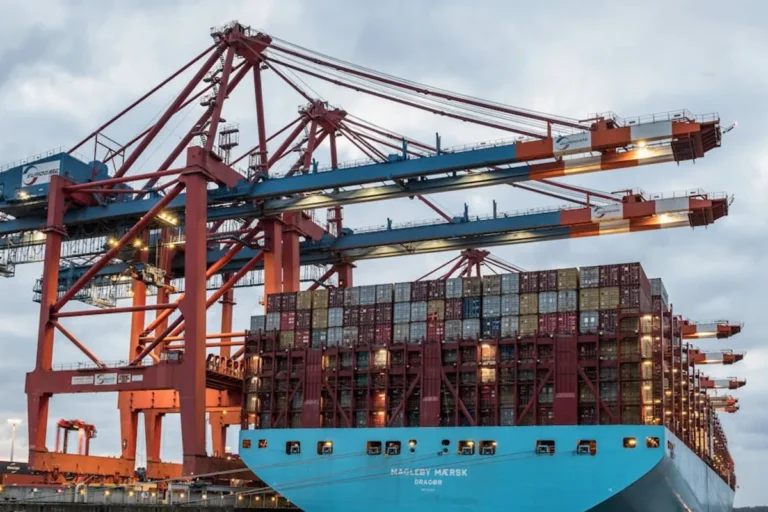
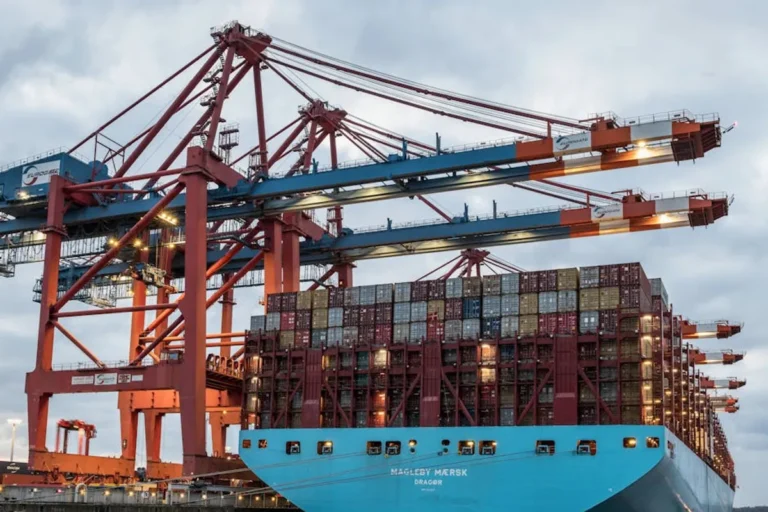
Port automation refers to the implementation of technology and systems that minimize human intervention in cargo handling, storage, and movement within a port facility. This approach leverages robotics, artificial intelligence, and advanced data analytics to streamline operations, primarily focusing on containerized cargo.
Key Components and Operational Features
- Automated Guided Vehicles (AGVs): Driverless vehicles that transport containers between quay, stack, and gate. They operate on predefined paths or are guided by advanced navigation systems, ensuring continuous, precise movement.
- Automated Stacking Cranes (ASCs): Electrically powered cranes that automatically stack and retrieve containers in the yard. These systems optimize yard space utilization and reduce human error.
- Remote-Controlled Ship-to-Shore (STS) Cranes: Operators manage these massive cranes from a control room, often miles away, enhancing safety by removing personnel from hazardous quayside environments and improving precision.
- Automated Gate Systems (AGS): Utilize optical character recognition (OCR), RFID, and biometric scanning to process trucks and containers entering and exiting the terminal, significantly reducing gate waiting times.
- Predictive Analytics and AI: Software platforms that analyze real-time data to optimize vessel scheduling, berth allocation, equipment deployment, and traffic flow, leading to improved resource utilization.
Advantages of Port Automation
The primary benefits of port automation stem from its ability to create a highly controlled and optimized environment.
Increased Throughput and Efficiency: Automated systems operate 24/7 without breaks, leading to faster vessel turnaround times and higher container moves per hour. This continuous operation maximizes berth utilization and overall port capacity.
Reduced Operational Costs: While initial investment is substantial, automation significantly lowers labor costs over time. It also optimizes energy consumption through efficient equipment usage and predictive maintenance, reducing unexpected downtime.
Enhanced Safety and Security: Removing human operators from hazardous areas reduces accidents. Automated systems also provide better tracking and surveillance of cargo, minimizing theft and improving security protocols.
Improved Data Accuracy and Visibility: Automation generates vast amounts of real-time operational data, enabling precise inventory management, predictive maintenance, and comprehensive performance analysis. This data supports better decision-making across the supply chain.
Challenges of Port Automation
Despite its benefits, automation presents significant hurdles.
High Capital Investment: The cost of acquiring and implementing automated equipment, software, and infrastructure is substantial, requiring significant upfront capital and a long-term investment horizon.
Complex Integration: Integrating diverse automated systems with existing port infrastructure and global logistics networks is complex, often requiring specialized expertise and extensive testing.
Job Displacement: Automation leads to a reduction in manual labor roles, posing socio-economic challenges and requiring workforce retraining initiatives.
Cybersecurity Risks: Highly interconnected automated systems are vulnerable to cyber threats, necessitating robust security measures to protect critical infrastructure and data.
Best for: High-volume container terminals, ports with consistent traffic, long-term strategic investments in efficiency and capacity, and regions with high labor costs.
Understanding Bulk Shipping
Bulk shipping involves the transport of unpackaged, homogeneous cargo in large quantities. This method is distinct from containerized shipping as it deals with commodities that do not require individual packaging or unitization.
Cargo Types and Operational Characteristics
Bulk cargo falls into two main categories:
- Dry Bulk: Includes commodities like iron ore, coal, grains (wheat, corn, rice), cement, fertilizers, and minerals. These are typically transported by specialized bulk carriers.
- Liquid Bulk: Comprises crude oil, petroleum products, liquefied natural gas (LNG), chemicals, and edible oils. These are carried by tankers.
Operations for bulk shipping are characterized by:
Specialized Vessels: Bulk carriers and tankers are designed with large, open holds or tanks for direct loading and unloading of unpackaged goods. Their design prioritizes maximum volume and efficient handling of specific bulk types.
Dedicated Terminals and Equipment: Bulk ports often feature specialized infrastructure such as conveyor belts, grabs, hoppers, pneumatic systems, pumps, and pipelines. These systems are tailored to handle specific bulk materials efficiently, directly transferring them to or from storage facilities like silos, tanks, or stockpiles.
Less Intensive Unitization: Unlike container shipping, bulk shipping bypasses the need for individual packaging and containerization, simplifying the loading and unloading processes for homogenous goods.
Advantages of Bulk Shipping
Bulk shipping remains indispensable for global commodity trade due to its inherent efficiencies.
Cost-Effectiveness for Large Volumes: Transporting unpackaged goods in vast quantities leverages significant economies of scale, making it the most economical method for moving raw materials and commodities globally.
Simpler Handling Processes: The direct transfer of goods from vessel to storage (or vice versa) using specialized equipment often involves fewer steps than container handling, reducing complexity for homogenous cargo.
Lower Infrastructure Investment: While specialized, bulk terminals typically require less complex and expensive infrastructure compared to fully automated container ports, particularly in terms of digital systems and robotics.
Flexibility for Diverse Bulk Cargo: Specialized bulk vessels and handling equipment can be adapted to transport a wide range of dry and liquid commodities, offering flexibility for commodity traders.
Challenges of Bulk Shipping
Bulk shipping also presents its own set of operational and environmental considerations.
Slower Turnaround Times: Loading and unloading bulk cargo, especially dry bulk, can be time-consuming due to the sheer volume and the nature of the materials, leading to longer port stays for vessels.
Labor Intensity: Many bulk operations still require significant manual labor, particularly for monitoring, equipment operation, and maintenance, which can impact operational costs and safety.
Cargo Contamination and Loss Risks: Handling unpackaged goods carries risks of contamination, spillage, or loss, requiring stringent quality control and environmental protection measures.
Environmental Concerns: Dust emissions from dry bulk, potential spills from liquid bulk, and noise pollution are significant environmental challenges that require careful management and regulatory compliance.
Limited Data Visibility: Traditional bulk operations often provide less real-time data and transparency compared to automated container systems, making granular supply chain tracking more challenging.
Best for: Raw materials, agricultural products, liquid bulk, high-volume commodity trade where packaging is unnecessary, and routes prioritizing cost efficiency over speed for specific cargo types.
Strategic Differences and Operational Implications
The choice between port automation and bulk shipping boils down to fundamental differences in cargo type, operational goals, and investment strategy.
Pro Tip: For port operators considering automation, a comprehensive feasibility study must extend beyond initial equipment costs. Account for long-term operational expenditure savings, potential revenue gains from increased capacity, and the costs associated with workforce retraining and cybersecurity infrastructure. Neglecting these aspects can lead to an underestimation of the total cost of ownership and a miscalculation of ROI over the typical 15-20 year asset lifecycle.
Cargo Profile: The most significant differentiator. Port automation primarily serves containerized goods, which are unitized and standardized. Bulk shipping is exclusively for unpackaged, homogenous commodities. A port's primary cargo dictates its optimal operational model.
Efficiency vs. Scale: Automation prioritizes speed, precision, and continuous operation for high-volume, diverse container traffic. Bulk shipping prioritizes the sheer volume and cost-effective movement of single-commodity goods, often accepting slower turnarounds for massive loads.
Cost Structure: Automated ports demand high upfront capital expenditure but promise lower long-term operational costs through reduced labor and optimized resource use. Bulk shipping typically involves lower initial infrastructure costs but can have higher variable operational costs tied to labor, fuel, and specific handling equipment maintenance.
Labor Impact: Automation significantly reduces the need for manual labor, shifting roles towards technical oversight and maintenance. Bulk shipping, while increasingly mechanized, still relies on a more substantial human workforce for various handling and monitoring tasks.
Technological Dependency: Automated ports are deeply integrated with advanced IT, sensors, AI, and data networks, requiring sophisticated technical expertise. Bulk shipping, while benefiting from technology for efficiency, is less reliant on this level of complex digital integration.
Optimizing Maritime Logistics Choices
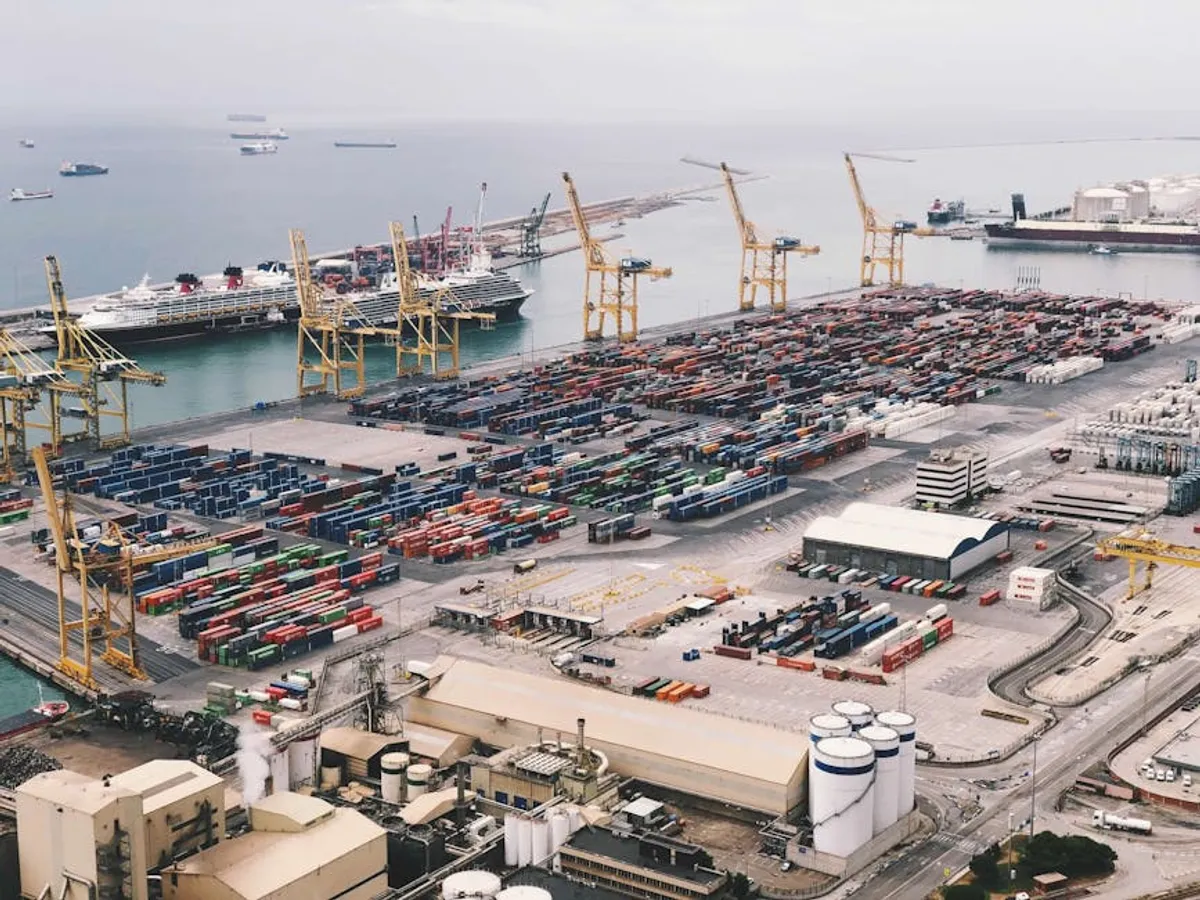
For port authorities and shipping companies, the decision is rarely an either/or proposition for an entire port. Many large ports operate dedicated terminals for both containerized and bulk cargo, each optimized for its specific function. The strategic alignment of port infrastructure with prevailing trade flows and commodity types is paramount.
Investing in automation is a long-term play for ports aiming to handle increasing container volumes, improve efficiency, and enhance their competitive position in global supply chains. Conversely, maintaining and optimizing bulk shipping capabilities is crucial for nations and industries reliant on the cost-effective import and export of raw materials and agricultural products.
The optimal approach often involves a careful analysis of current and projected cargo volumes, the specific types of goods handled, labor market conditions, environmental regulations, and the long-term strategic vision for the port's role in the regional and global economy.
Frequently Asked Questions
Is port automation suitable for all types of cargo?
No, port automation is primarily designed and most effective for containerized cargo due to its standardized dimensions and handling requirements. Bulk cargo, which is unpackaged and homogeneous, requires specialized equipment and handling methods distinct from automated container operations.
What are the main cost drivers for port automation?
The primary cost drivers for port automation include the acquisition of automated equipment (AGVs, ASCs, remote cranes), the development of complex software and control systems, extensive infrastructure modifications, and ongoing maintenance, cybersecurity, and software upgrade expenses.
How does bulk shipping handle different types of commodities?
Bulk shipping utilizes specialized vessels and terminal equipment tailored to the specific physical properties of dry or liquid bulk commodities. For instance, dry bulk uses conveyors and grabs, while liquid bulk employs pumps and pipelines, ensuring efficient and safe transfer for each material type.
Can a port implement both automation and bulk shipping operations?
Yes, many major global ports operate both highly automated container terminals and dedicated bulk terminals. This allows them to efficiently handle diverse cargo types, serving a broader range of industries and maximizing their overall operational capacity and economic impact.