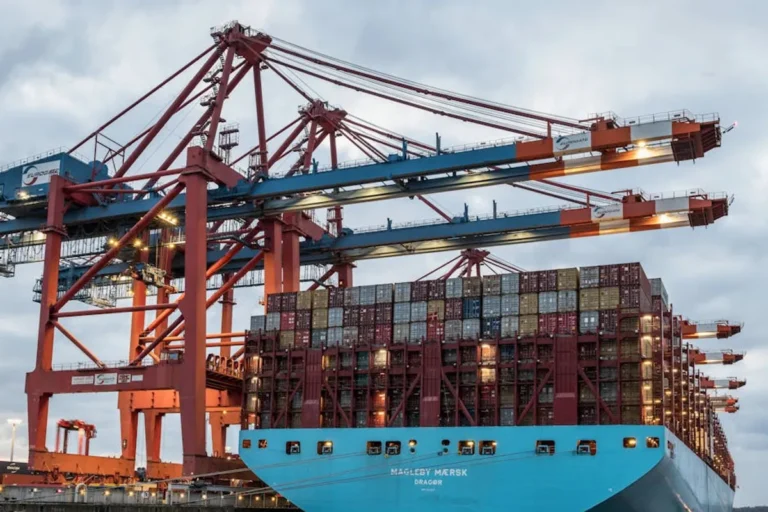
The imperative for green shipping has shifted from a niche concern to a central operational pillar for logistics managers. As regulatory pressures intensify and consumer demand for sustainable practices grows, integrating environmentally conscious strategies into supply chain operations is no longer optional. However, the path to a truly green logistics framework is fraught with common missteps that can undermine efforts, inflate costs, and damage brand reputation. Understanding these pitfalls is critical for any logistics professional aiming to build an efficient, compliant, and genuinely sustainable shipping model.
Overlooking Data-Driven Route Optimization
Many logistics operations still rely on static routing or historical data without fully leveraging advanced analytics. This oversight leads to inefficient fuel consumption, increased emissions, and suboptimal delivery times, directly contradicting green shipping objectives.
Ignoring Predictive Analytics
Failing to integrate predictive analytics means missing opportunities to anticipate traffic congestion, weather disruptions, and demand fluctuations. Modern systems use real-time data, machine learning, and AI to dynamically adjust routes, minimizing idle time and maximizing load efficiency. Without this, managers often default to less efficient, fixed routes that do not adapt to changing conditions, resulting in higher fuel burn and longer transit times. This isn't just about saving fuel; it's about reducing the carbon footprint associated with every mile traveled.
Underestimating Multimodal Transport Benefits
A common mistake is an over-reliance on a single mode of transport, typically road freight, even when more environmentally sound alternatives exist. Multimodal strategies, combining rail, sea, or inland waterways with road transport, can significantly reduce emissions per ton-mile. Logistics managers often underestimate the potential for cost savings and carbon reduction by not thoroughly evaluating multimodal options for specific lanes or cargo types. The perceived complexity of coordination often overshadows the long-term environmental and financial advantages.
Neglecting Supplier and Partner Vetting
A company's green shipping efforts are only as strong as its weakest link in the supply chain. Many logistics managers focus solely on their internal operations, overlooking the environmental performance of their carriers, warehousing partners, and other third-party logistics (3PL) providers.
Skipping Emissions Reporting Verification
Simply accepting a partner's self-declared sustainability claims without verification is a significant oversight. Logistics managers must request and scrutinize detailed emissions data, fuel efficiency reports, and environmental certifications from their partners. Without this due diligence, a company risks inadvertently supporting providers with poor environmental records, which can lead to reputational damage and undermine its own sustainability goals. Robust vetting involves auditing processes and requiring transparent reporting.
Failing to Integrate Green Clauses into Contracts
Contracts with logistics partners often lack specific clauses mandating sustainable practices, emissions targets, or adherence to environmental standards. This omission leaves little recourse if a partner fails to meet expected green performance levels. Effective contracts should include performance indicators related to fuel efficiency, waste reduction, carbon footprint, and consequences for non-compliance, ensuring accountability across the entire supply chain.
Underinvesting in Sustainable Packaging Solutions
Packaging is a major contributor to logistics waste and carbon footprint, yet it's frequently treated as a secondary concern, primarily driven by cost or protection requirements alone.
Prioritizing Cost Over Lifecycle Impact
Many logistics managers prioritize the lowest unit cost for packaging materials without considering the full lifecycle impact: raw material extraction, manufacturing energy, transport weight, and end-of-life disposal. This narrow view often leads to the use of non-recyclable, heavy, or excessive packaging that increases emissions during transit and generates significant landfill waste. A holistic assessment of environmental cost alongside financial cost is essential.
Misinterpreting "Recyclable" vs. "Recycled Content"
There's a widespread misconception that "recyclable" packaging automatically equates to a sustainable choice. While important, true sustainability also demands the use of packaging with high "recycled content" to close the loop. Furthermore, "recyclable" status is often market-dependent; a material might be technically recyclable but not practically recycled in a given region due to lack of infrastructure. Logistics managers must understand these nuances to avoid greenwashing and make genuinely impactful choices.
Inadequate Employee Training and Engagement
Even the most sophisticated green shipping strategies will falter without the active participation and understanding of the workforce. Disconnected employees can inadvertently undermine sustainability efforts.
Lack of Awareness on Green Practices
Employees on the ground, from warehouse staff to drivers, are critical to implementing green initiatives. Without proper training on new sustainable operating procedures, such as optimal loading techniques, fuel-efficient driving, or waste segregation, efficiency gains will be minimal. A lack of understanding about the 'why' behind green policies also reduces buy-in and adherence.
Missing Internal Incentive Programs
Companies often neglect to create incentive structures that reward employees for contributing to green shipping goals. Without recognition or tangible benefits for adopting sustainable practices, motivation can wane. Implementing programs that acknowledge fuel-efficient driving, waste reduction, or innovative green suggestions can significantly boost engagement and accelerate the adoption of sustainable behaviors.
Failing to Measure and Report Emissions Accurately
Without precise data on emissions, it's impossible to track progress, identify areas for improvement, or demonstrate compliance. Many organizations fall short in this fundamental aspect of green shipping.
Relying on Generic Emission Factors
Using broad, industry-average emission factors instead of specific, operational data can lead to inaccurate reporting and a skewed understanding of actual environmental impact. Real-world fuel consumption, vehicle types, load factors, and route specifics vary widely. Accurate measurement requires granular data collection directly from fleet operations and supply chain partners to calculate Scope 1, 2, and relevant Scope 3 emissions effectively.
Not Leveraging Digital Tracking Platforms
Modern digital platforms offer sophisticated tools for tracking fuel consumption, mileage, vehicle maintenance, and emissions in real time. Failing to implement or fully utilize these systems means missed opportunities for continuous monitoring and data-driven adjustments. Manual tracking or fragmented data sources introduce errors and prevent a comprehensive overview of environmental performance across the logistics network.
Pro Tip: Avoid the "greenwashing" trap by ensuring all sustainability claims are backed by verifiable data and transparent reporting. Focus on measurable reductions and concrete actions, rather than broad, unsubstantiated statements. Customers and regulators increasingly demand proof, not just promises.
Implementing Sustainable Logistics Effectively
Achieving truly green shipping requires a strategic, integrated approach that moves beyond superficial changes. Logistics managers must prioritize data accuracy, invest in advanced technological solutions, and foster a culture of sustainability throughout their operations and supply chain partnerships. This means a continuous cycle of planning, implementation, measurement, and refinement. Embrace robust vetting, continuous training, and transparent reporting to build a resilient, environmentally responsible, and economically viable logistics network.
Frequently Asked Questions
What is green shipping?
Green shipping refers to the practice of minimizing the environmental impact of logistics and transportation activities, primarily by reducing greenhouse gas emissions, waste, and pollution across the entire supply chain.
Why is green shipping important for logistics managers?
Green shipping helps logistics managers meet increasing regulatory requirements, satisfy growing consumer demand for sustainable products, reduce operational costs through efficiency gains, and enhance brand reputation and competitiveness.
How can I start implementing green shipping practices?
Begin by conducting a baseline assessment of your current emissions and waste, then focus on data-driven route optimization, evaluating multimodal transport options, and engaging with suppliers to ensure their environmental commitments align with yours.
What are the biggest challenges in green shipping adoption?
Key challenges include the initial investment in new technologies, integrating sustainability across complex supply chains, accurately measuring and reporting emissions, and overcoming resistance to change within organizations and among partners.