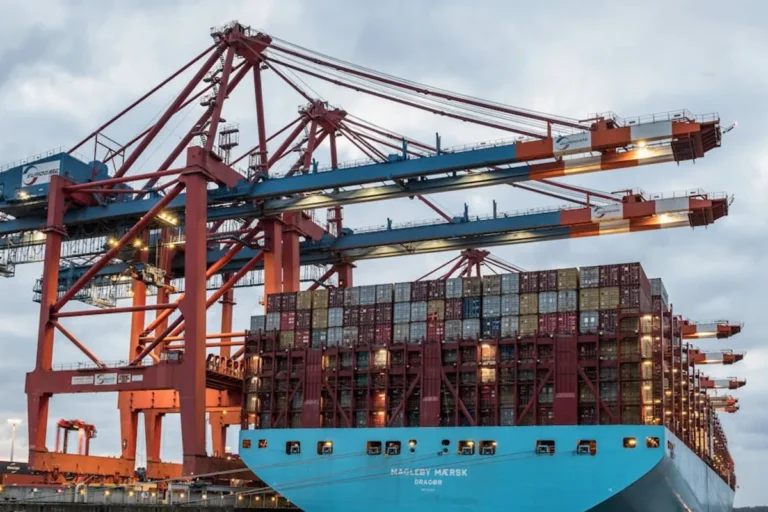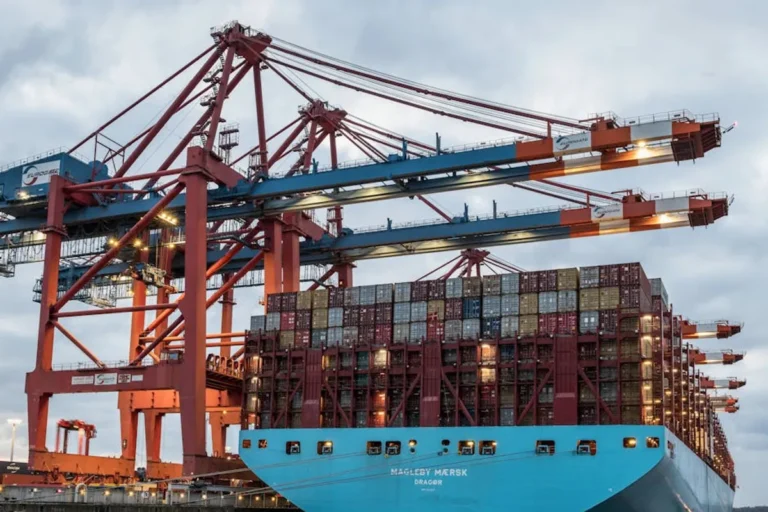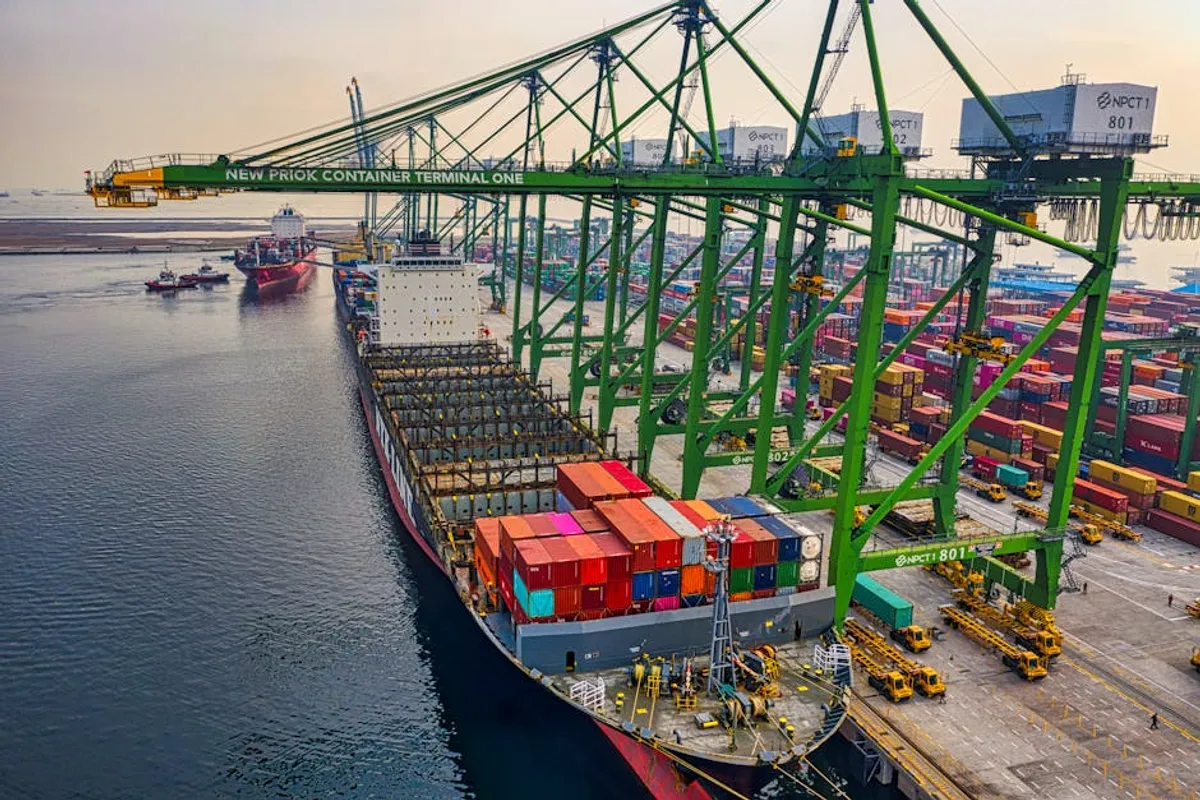
Importers seeking to move goods across continents frequently encounter ocean freight as a primary logistics solution. This method, while often the most cost-effective for large volumes, introduces a distinct set of operational considerations and financial variables compared to air or road transport. Understanding these specifics is critical for managing supply chain costs, predicting delivery timelines, and ensuring compliance with international trade regulations. For businesses reliant on global sourcing, mastering the nuances of ocean freight directly impacts profitability and market responsiveness. Navigating these complexities means being aware of common pitfalls in ocean freight to ensure a smooth import process.
Understanding Ocean Freight for Global Trade
Ocean freight refers to the method of transporting goods via cargo ships. It is the backbone of international trade, responsible for moving approximately 90% of the world's goods. This mode of transport is particularly suited for high-volume, heavy, or bulky cargo where transit time is less critical than cost efficiency. The primary appeal for importers lies in its capacity to handle massive quantities of goods at a lower per-unit cost compared to air freight, making it indispensable for raw materials, manufactured products, and consumer goods.
Full Container Load (FCL) vs. Less Than Container Load (LCL)
When planning ocean shipments, importers must choose between two primary container service options:
- Full Container Load (FCL): This means an importer uses an entire shipping container exclusively for their cargo, regardless of whether it completely fills the container. FCL offers faster transit times because the container is sealed at the origin and typically remains sealed until it reaches the destination, minimizing handling. It is generally more cost-effective per cubic meter for larger shipments that can utilize a significant portion of a container's capacity.
- Less Than Container Load (LCL): With LCL, an importer's cargo shares container space with shipments from other importers. This option is suitable for smaller volumes that do not warrant a full container. While LCL is more flexible for smaller consignments, it often involves longer transit times due to consolidation and deconsolidation processes at origin and destination ports. Costs are typically calculated based on volume or weight, whichever yields a higher charge.
Incoterms and Their Impact
Incoterms (International Commercial Terms) are a set of globally recognized rules published by the International Chamber of Commerce (ICC) that define the responsibilities of buyers and sellers for the delivery of goods under sales contracts. These terms specify who is responsible for paying for and managing the shipment, insurance, documentation, and customs clearance at each stage of the shipping process. Key Incoterms for ocean freight include:
- FOB (Free On Board): The seller is responsible for costs and risks until the goods are loaded onto the vessel at the named port of shipment. The buyer assumes all costs and risks from that point onward.
- CIF (Cost, Insurance and Freight): The seller pays for the cost and freight to bring the goods to the named port of destination and also purchases marine insurance against the buyer’s risk of loss or damage during carriage. Risk transfers from seller to buyer once the goods are on board the vessel.
- EXW (Ex Works): The seller makes the goods available at their own premises, and the buyer bears all costs and risks involved in taking the goods from there to the desired destination.
- DDP (Delivered Duty Paid): The seller assumes all risks and costs for delivering the goods to the named place of destination, cleared for import, and ready for unloading. This places maximum obligation on the seller.
The choice of Incoterm significantly impacts an importer's total landed cost and operational responsibilities. It is crucial to negotiate and clearly define the Incoterm in the sales contract to avoid disputes and unexpected costs.
The Ocean Freight Shipment Journey
Navigating an ocean freight shipment involves several distinct phases, each requiring careful attention to detail:
- Booking and Preparation: An importer or their freight forwarder books space on a vessel. The seller then prepares the cargo, ensuring it is properly packed, labeled, and accompanied by necessary export documentation.
- Export Haulage and Customs Clearance: The cargo is transported from the seller's premises to the port of loading. At the port, it undergoes export customs clearance, where authorities verify compliance with export regulations.
- Loading and Ocean Transit: Once cleared, the cargo is loaded onto the vessel. The ship then sails to the destination port, a journey that can range from a few days to several weeks, depending on the route.
- Arrival and Import Customs Clearance: Upon arrival at the destination port, the cargo is unloaded. It then enters the import customs clearance process, where duties, taxes, and compliance with import regulations are verified by the destination country's authorities.
- Import Haulage and Delivery: After customs clearance, the cargo is transported from the destination port to the importer's final delivery location.
Pro Tip: Always secure marine cargo insurance. While carriers are liable for some damage, their liability is often limited and may not cover the full value of your goods. Independent cargo insurance provides comprehensive protection against loss or damage during transit, including acts of God, general average, and theft, which are typically excluded from carrier liability.
Key Factors in Ocean Freight Planning
Critical Documentation Requirements
Accurate and complete documentation is paramount for smooth ocean freight operations. Missing or incorrect documents can lead to significant delays, fines, and storage charges. Essential documents include:
- Bill of Lading (B/L): A legal document issued by the carrier to the shipper, serving as a contract of carriage, a receipt for goods, and a document of title.
- Commercial Invoice: Details the transaction between buyer and seller, including goods description, quantity, price, and payment terms. Used for customs valuation.
- Packing List: Provides a detailed list of items in each package or container, including dimensions and weights.
- Certificate of Origin: Verifies the country where the goods were manufactured, often required for preferential tariffs or trade agreements.
- Import/Export Licenses: Required for certain restricted goods.
- Insurance Certificate: Proof of cargo insurance coverage.
Cost Components of Ocean Freight
The total cost of ocean freight extends beyond the basic freight rate. Importers must account for various surcharges and fees:
- Base Ocean Freight Rate: The cost for transporting cargo from port to port.
- Bunker Adjustment Factor (BAF): A surcharge to compensate for fluctuating fuel costs.
- Currency Adjustment Factor (CAF): An adjustment for currency exchange rate fluctuations.
- Terminal Handling Charges (THC): Fees for handling cargo at origin and destination ports.
- Customs Clearance Fees: Charges for processing import declarations.
- Duties and Taxes: Levied by the destination country's government based on the Harmonized System (HS) code and value of goods.
- Drayage/Haulage: Cost of inland transportation from port to final destination.
- Demurrage and Detention: Charges incurred if containers are not moved from the port or returned to the carrier within the allotted free time.
- Insurance: Cost of marine cargo insurance.
Essential Considerations for Importers
Selecting a reliable freight forwarder is one of the most impactful decisions an importer makes. A competent freight forwarder acts as an intermediary, managing the complexities of international shipping on behalf of the importer. They handle booking, documentation, customs clearance, and inland transportation, leveraging their network and expertise to optimize routes and costs. Importers should seek forwarders with proven experience in their specific trade lanes and cargo types, strong communication practices, and transparent pricing structures.
Navigating Your Imports
Successful ocean freight importing hinges on meticulous planning, clear communication, and a thorough understanding of the regulatory and logistical landscape. By carefully selecting Incoterms, preparing accurate documentation, and partnering with experienced freight forwarders, importers can mitigate risks, control costs, and ensure the timely arrival of their goods. Proactive management of each stage, from booking to final delivery, is key to leveraging ocean freight as an efficient and economical component of a global supply chain.
Frequently Asked Questions
How long does ocean freight typically take?
Ocean freight transit times vary significantly based on the origin and destination ports, the shipping line, and whether it's FCL or LCL. Trans-Pacific routes can take 15-30 days, while trans-Atlantic routes might be 7-20 days. These times do not include port congestion, customs clearance, or inland transport.
What is the difference between demurrage and detention?
Demurrage is a charge applied by the shipping line for containers that remain at the port terminal beyond the allowed free time. Detention is a charge for containers that are taken off the terminal but not returned to the shipping line within the allotted free time, typically for unpacking at the importer's warehouse.
Do I need a customs broker for ocean freight?
While not always legally mandatory for every shipment, engaging a licensed customs broker is highly recommended for importers. Customs brokers specialize in navigating complex customs regulations, tariff classifications, and duty calculations, ensuring compliance and preventing costly delays or penalties.