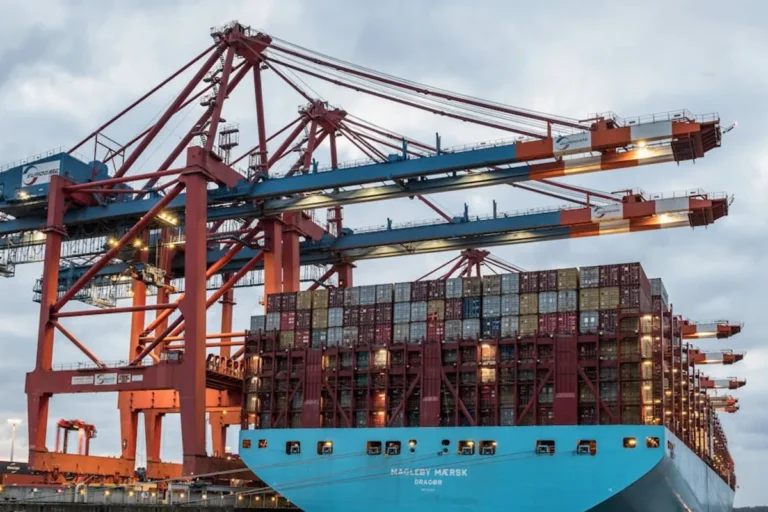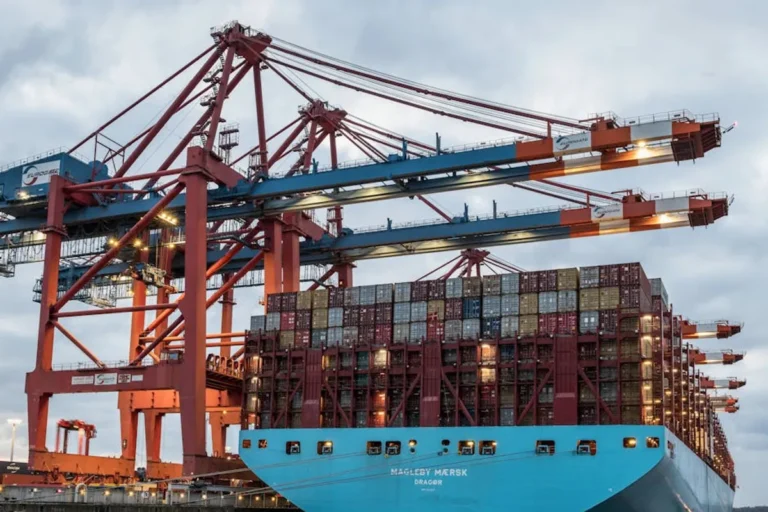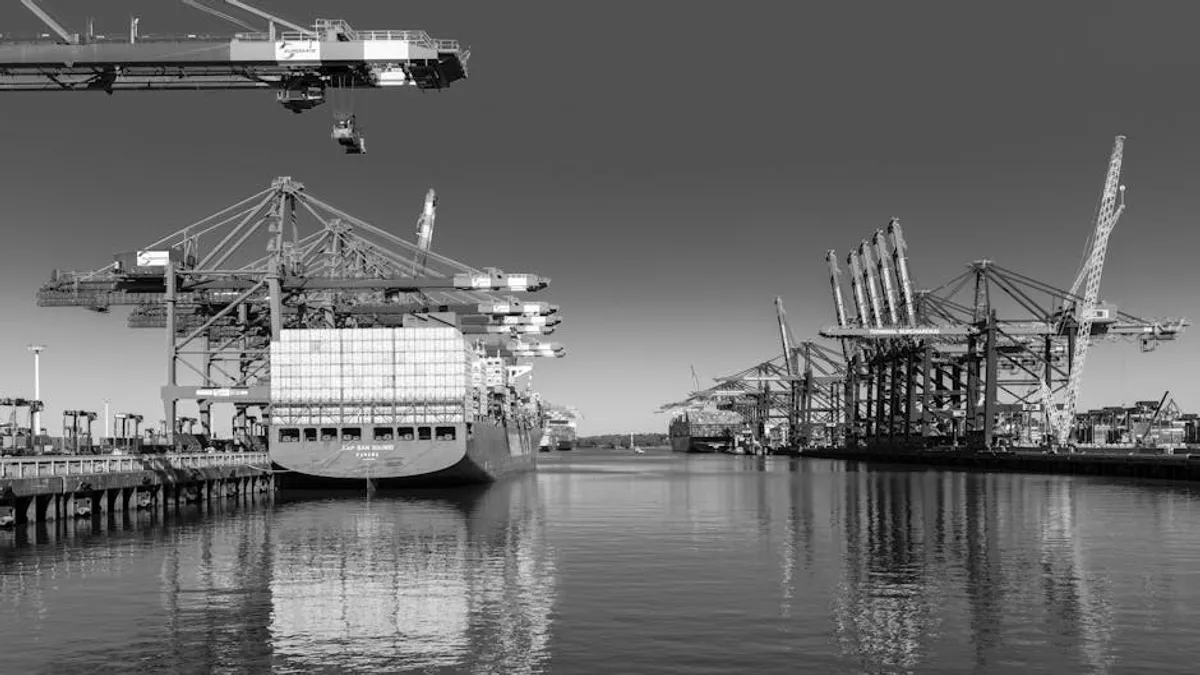
Transshipment, the process of moving goods from one vessel or vehicle to another during transit, is a critical component of global supply chains. It enables access to diverse shipping routes, optimizes freight costs by consolidating cargo, and facilitates market reach in regions not served by direct routes. However, its inherent complexity introduces numerous points of failure. Supply chain teams frequently encounter challenges that can lead to delays, increased costs, compliance issues, and damaged reputations. Understanding and actively avoiding these common mistakes is essential for maintaining efficient, reliable, and cost-effective operations.
Misunderstanding Regulatory Compliance and Documentation
Navigating the global regulatory landscape is a primary hurdle in transshipment. Errors in this area can result in significant penalties, customs holds, and extended delays, directly impacting delivery schedules and financial performance.
Inaccurate Customs Declarations
One frequent mistake involves providing incorrect or incomplete information on customs declarations. This includes misclassifying goods with the wrong Harmonized System (HS) codes, undervaluing cargo, or failing to declare all required items. Each transshipment point, especially when crossing international borders, requires precise documentation that aligns with local customs laws. Discrepancies trigger inspections, fines, and potential confiscation of goods.
Neglecting Country-Specific Import/Export Laws
Supply chain teams often overlook the specific import and export regulations of each country involved in the transshipment route, not just the origin and final destination. Transit countries may have unique prohibitions, licensing requirements, or special duties for certain goods. For instance, dual-use items (civilian and military applications) face stringent controls in many jurisdictions. Ignoring these nuances can lead to cargo being held indefinitely at intermediate ports or even rerouted at considerable expense.
Poor Partner Selection and Relationship Management
The success of transshipment heavily relies on the capabilities and reliability of external partners, including carriers, port operators, and customs brokers. Inadequate vetting or communication failures can undermine the entire process.
Insufficient Due Diligence on Transshipment Hubs
Selecting transshipment hubs without thorough due diligence is a common pitfall. Factors such as port congestion, labor stability, security measures, and the efficiency of local customs authorities directly impact transit times and cargo safety. A hub with a history of frequent strikes or high theft rates, for example, introduces unacceptable risk, regardless of initial cost savings. Teams must evaluate a hub's infrastructure, handling equipment, and connectivity to onward transportation modes.
Lack of Clear Communication Protocols
Effective transshipment requires seamless information flow between all parties. A lack of standardized communication protocols, unclear responsibilities, or delayed information sharing can lead to miscoordination. This is particularly critical when dealing with multiple carriers or modes of transport, where handoffs must be precisely orchestrated. Without real-time updates on vessel arrival, cargo status, and potential delays, subsequent legs of the journey cannot be adjusted, causing cascading disruptions.
Underestimating Logistics Complexity and Visibility
The multi-leg nature of transshipment inherently increases logistical complexity. Without robust systems and processes for tracking and managing cargo movement, supply chain teams operate with significant blind spots.
Inadequate Real-Time Tracking
Relying on outdated or infrequent tracking updates is a significant mistake. In a transshipment scenario, cargo is constantly moving or awaiting transfer, making real-time visibility indispensable. Without it, teams cannot proactively address delays, re-route shipments, or provide accurate estimated times of arrival (ETAs) to customers. This lack of transparency leads to reactive problem-solving and customer dissatisfaction.
Ignoring Infrastructure Limitations
Assuming consistent infrastructure quality across all transshipment points is a misstep. Some ports or airports may lack the capacity for large volumes, specialized handling equipment for oversized or hazardous goods, or efficient onward ground transportation networks. Overlooking these limitations can result in bottlenecks, extended dwell times, and increased demurrage charges. Understanding the specific capabilities and constraints of each transfer point is crucial for realistic planning.
Pro Tip: Before committing to a transshipment route, conduct a detailed infrastructure audit of all proposed transfer points. Verify crane capacity, storage availability, customs processing times, and local transportation options to prevent unforeseen bottlenecks.
Inefficient Inventory and Storage Practices
While transshipment aims for swift movement, temporary storage is often unavoidable. Mistakes in managing this interim inventory can lead to additional costs, damage, or loss.
Over-reliance on Just-in-Time for Transshipment
Applying a strict Just-in-Time (JIT) philosophy to transshipment without adequate buffers is risky. Transshipment introduces more variables than direct shipping, including weather delays, port congestion, and customs issues. A rigid JIT approach, without contingency stock or flexible scheduling, can amplify the impact of minor disruptions, leading to production stoppages or missed sales opportunities.
Improper Handling of Goods at Transfer Points
Goods often undergo multiple loading and unloading cycles during transshipment. Improper handling at these transfer points, due to inadequate equipment, untrained personnel, or rushed operations, increases the risk of damage. This is particularly critical for fragile, perishable, or high-value items. Ensuring that all partners adhere to strict handling protocols and possess the necessary equipment is paramount.
- Verify handling equipment compatibility with cargo type.
- Ensure personnel training in specific cargo handling procedures.
- Implement clear labeling and packaging standards for multi-leg journeys.
- Conduct regular audits of handling processes at key transfer points.
Overlooking Risk Management and Contingency Planning
Transshipment inherently involves higher exposure to risks due to extended travel times and multiple touchpoints. A lack of robust risk management can leave supply chains vulnerable.
Absence of Diversion Strategies
Many supply chain teams fail to develop alternative routes or diversion strategies. When a primary transshipment hub faces unexpected closure due to natural disasters, geopolitical events, or labor disputes, having pre-planned alternative ports or modes of transport can mitigate severe disruptions. Without such plans, cargo can be stranded, leading to significant financial losses and reputational damage.
Neglecting Insurance Coverage Specifics
Another common mistake is assuming standard cargo insurance covers all transshipment risks. Policies often have specific exclusions related to transshipment, temporary storage, or particular types of delays. Teams must meticulously review insurance terms to ensure comprehensive coverage for all legs of the journey, including potential risks at intermediate points. Under-insuring or using inappropriate policies can leave a company exposed to substantial financial liability in case of loss or damage.
Practical Strategies for Optimized Transshipment
To mitigate these common mistakes, supply chain teams should adopt a proactive, integrated approach. Implement robust technology for end-to-end visibility, fostering transparency across all stakeholders. Establish clear, legally binding service level agreements (SLAs) with all transshipment partners, detailing performance metrics, communication protocols, and liability. Regularly review and update compliance procedures based on evolving international trade laws. Finally, build resilience into your network by identifying alternative routes and backup partners, ensuring continuity even when disruptions occur. Continuous monitoring and a culture of adaptability are fundamental to leveraging transshipment effectively.
Frequently Asked Questions About Transshipment
What is the primary difference between transshipment and direct shipping?
Transshipment involves moving goods through an intermediate port or hub, requiring cargo to be transferred from one vessel or mode of transport to another, often to consolidate shipments or access routes not served directly. Direct shipping, conversely, transports goods from origin to destination without any intermediate transfers.
Why do supply chain teams choose transshipment despite its complexity?
Teams opt for transshipment to achieve cost efficiencies through cargo consolidation, access a wider network of destinations, reduce transit times for specific routes, or utilize specialized vessels that do not serve direct routes. It often provides greater flexibility and optimizes freight spend for global movements.
What are the biggest risks associated with transshipment?
The primary risks include increased transit times, higher potential for cargo damage or loss due to multiple handling points, greater exposure to customs delays and regulatory non-compliance, and reduced visibility over the cargo's journey. Geopolitical instability or port congestion at intermediate hubs also pose significant threats.
How can supply chain teams improve visibility during transshipment?
Improving visibility requires leveraging advanced tracking technologies, such as IoT sensors and GPS, integrated with a centralized logistics platform. This enables real-time data on cargo location, status, and environmental conditions. Establishing strong communication channels with all logistics partners and demanding regular, detailed updates also enhances transparency.