Last-mile delivery and shipping containers represent two distinct, yet often interconnected, phases within the global logistics chain. While both facilitate goods movement, their operational characteristics, cost structures, and strategic applications diverge significantly. Businesses must discern these differences to optimize supply chain efficiency, manage costs, and meet specific customer expectations. The choice or integration of these systems directly impacts delivery speed, cargo volume, and overall operational footprint.
Defining Last-Mile Delivery
Last-mile delivery encompasses the final stage of the delivery process, moving goods from a transportation hub or distribution center to the end customer. This segment is characterized by its high cost per package and its critical impact on customer satisfaction. It prioritizes speed, precision, and direct interaction with the recipient, often involving complex urban logistics and dynamic routing.
Operational considerations for last-mile include route optimization software, real-time tracking, diverse vehicle fleets (vans, bikes, drones), and efficient parcel sorting. The goal is to minimize delivery time windows, reduce failed deliveries, and enhance the overall customer experience, which often means navigating traffic congestion, parking restrictions, and varying delivery access points.
Primary Use Cases for Last-Mile Delivery
- E-commerce Fulfillment: Direct-to-consumer shipments of online purchases, requiring rapid and precise delivery to residential or commercial addresses.
- Perishable Goods: Transport of food, pharmaceuticals, or other temperature-sensitive items where speed and controlled environments are paramount to product integrity.
- Urgent Shipments: Time-critical documents, spare parts, or medical supplies that demand immediate dispatch and guaranteed delivery within tight deadlines.
Understanding Shipping Containers
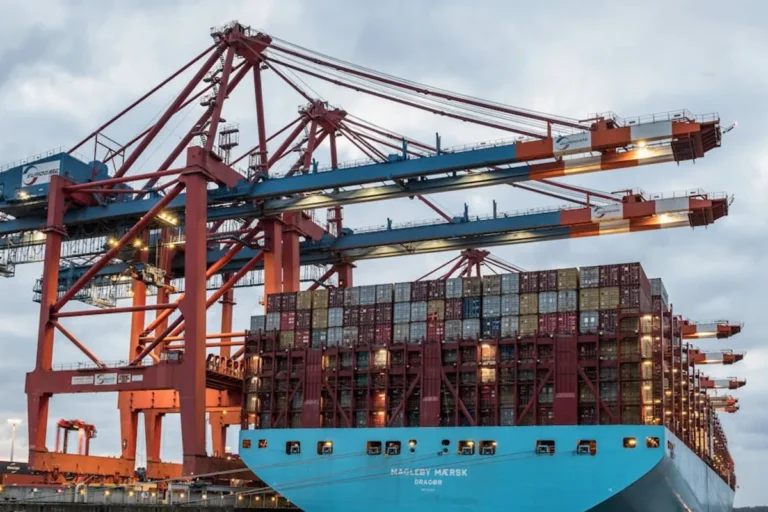
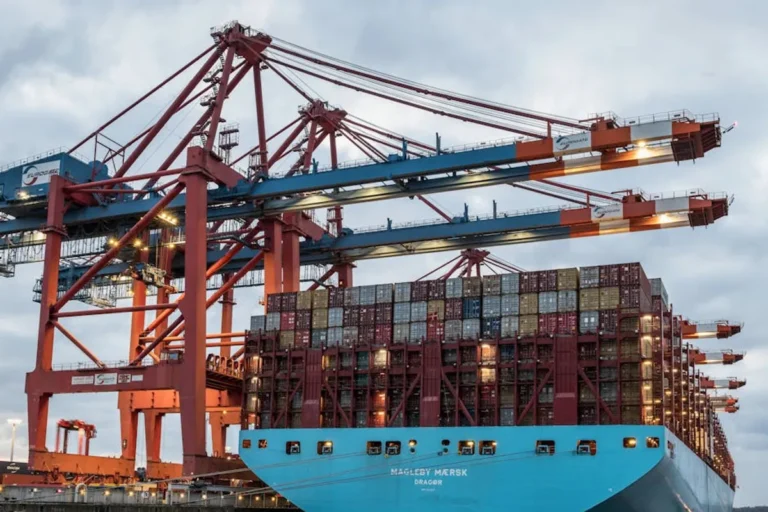
Shipping containers, specifically intermodal freight containers, are standardized reusable steel boxes used for the safe, secure, and efficient storage and transport of materials and products within a global containerized intermodal freight transport system. They are the backbone of international trade, designed for seamless transfer between different modes of transport—ship, rail, and truck—without unloading and reloading their contents.
Key characteristics include their standardized dimensions (e.g., 20-foot equivalent unit, TEU; 40-foot equivalent unit, FEU), robust construction, and capacity for large volumes of cargo. Operational considerations revolve around port logistics, vessel capacity, freight forwarding, customs clearance, and the efficient movement of containers through rail and road networks to inland depots or distribution centers.
Primary Use Cases for Shipping Containers
- International Trade: The primary method for transporting manufactured goods, raw materials, and components across oceans and continents.
- Bulk Commodity Transport: Efficient movement of large quantities of non-perishable goods, such as electronics, textiles, machinery, and agricultural products.
- Long-Distance Freight: Cost-effective transportation of goods over extensive land routes via rail or truck, leveraging intermodal capabilities.
Core Operational Differences
The distinction between last-mile delivery and shipping containers lies fundamentally in their operational scope, infrastructure, and cost dynamics.
Scope and Scale
Last-Mile Delivery: Operates on a localized, granular scale, focusing on individual packages or small batches destined for specific addresses within a defined geographical area (e.g., a city or region). The scale is measured in individual parcels delivered per day.
Shipping Containers: Functions on a global, macro scale, handling vast quantities of goods in standardized units. The focus is on moving large volumes between major logistical hubs, often across international borders. Scale is measured in TEUs or FEUs transported.
Infrastructure Requirements
Last-Mile Delivery: Relies on a network of localized distribution centers, micro-fulfillment centers, and a fleet of smaller, agile vehicles. Infrastructure supports rapid sorting, routing, and direct customer interaction, including secure drop-off points.
Shipping Containers: Demands extensive infrastructure including deep-water ports with specialized cranes, vast rail yards, and large trucking fleets capable of handling heavy loads. This infrastructure facilitates the loading, unloading, and long-haul movement of fully loaded containers.
Cost Structures
Last-Mile Delivery: High cost per package due to labor intensity, fuel consumption for multiple stops, and the complexity of urban routes. Costs are often absorbed or passed on as delivery fees, significantly impacting e-commerce profitability.
Shipping Containers: Lower cost per unit of cargo due to economies of scale. The cost is spread across thousands of items within a single container, making it highly efficient for bulk transport over long distances, though port fees and freight forwarding charges apply.
Speed and Flexibility
Last-Mile Delivery: Emphasizes speed and flexibility, with routes often adjusted in real-time to accommodate traffic, customer requests, or delivery exceptions. Delivery windows can be as short as hours.
Shipping Containers: Operates on fixed schedules, particularly for ocean freight, with transit times measured in days or weeks. Flexibility is limited once a container is loaded and shipped, though intermodal transfer offers some adaptability in the land-based legs.
Pro Tip: Businesses frequently underestimate the cost impact of the "last 50 feet" in last-mile delivery—the final steps from the delivery vehicle to the customer's door. This segment often involves unexpected delays, access issues, and repeated delivery attempts, significantly inflating per-package expenses beyond the initial last-mile cost estimates.
When to Prioritize Each System
The decision to leverage last-mile delivery or shipping containers depends on the specific logistical challenge:
Prioritize Last-Mile Delivery when:
- Goods are time-sensitive or perishable.
- Customer expectation for rapid delivery is high.
- Shipments are small, individual packages.
- Direct customer interaction or specialized delivery (e.g., assembly, installation) is required.
- The delivery destination is a specific residential or commercial address.
Prioritize Shipping Containers when:
- Goods are non-perishable and can withstand longer transit times.
- Volume is high, requiring bulk transport over long distances.
- Cost efficiency for long-haul, intercontinental movement is the primary concern.
- Goods are being moved between major distribution hubs or manufacturing facilities.
- Standardization and protection of cargo during multi-modal transit are critical.
The Interplay: How They Connect
Despite their differences, last-mile delivery and shipping containers are often sequential components of a complete supply chain. Shipping containers transport goods from factories to ports, then to inland distribution centers. At these centers, the bulk cargo is deconsolidated, sorted, and prepared for last-mile distribution. The container brings the product to the region, and last-mile ensures it reaches the consumer's doorstep. This handoff point is critical for overall supply chain efficiency and cost management.
Strategic Integration for Supply Chain Efficiency
Effective supply chain management requires a comprehensive understanding of both last-mile delivery and shipping container logistics. Companies must strategize how to optimize the transition between these two phases, minimizing dwell times at distribution centers and streamlining inventory flow. This involves selecting appropriate container sizes for initial transport, strategically locating distribution hubs to reduce last-mile distances, and integrating technology for seamless inventory tracking across the entire journey. By treating these systems not as separate entities but as integrated parts of a larger whole, businesses can achieve greater cost control, faster market access, and improved customer satisfaction.
Frequently Asked Questions
What is the primary cost driver for last-mile delivery?
The primary cost driver for last-mile delivery is labor, followed by fuel and vehicle maintenance, due to the numerous stops, varied routes, and often congested urban environments involved in delivering individual packages.
Can shipping containers be used for last-mile delivery?
No, shipping containers are designed for bulk, long-haul transport and are too large and cumbersome for direct last-mile delivery to individual customers. They are typically unloaded at distribution centers, where goods are then prepared for last-mile shipment.
How do these two systems impact environmental sustainability?
Shipping containers, particularly via ocean freight, offer significant emissions reductions per ton-mile compared to air freight. Last-mile delivery, however, contributes to urban emissions and congestion; efforts focus on electric vehicles, route optimization, and consolidated deliveries to mitigate this impact.
What role does technology play in optimizing both systems?
Technology is crucial for both. For shipping containers, it includes port automation, real-time cargo tracking, and predictive analytics for vessel scheduling. For last-mile, it involves advanced route optimization, real-time delivery tracking, customer communication platforms, and autonomous delivery solutions.