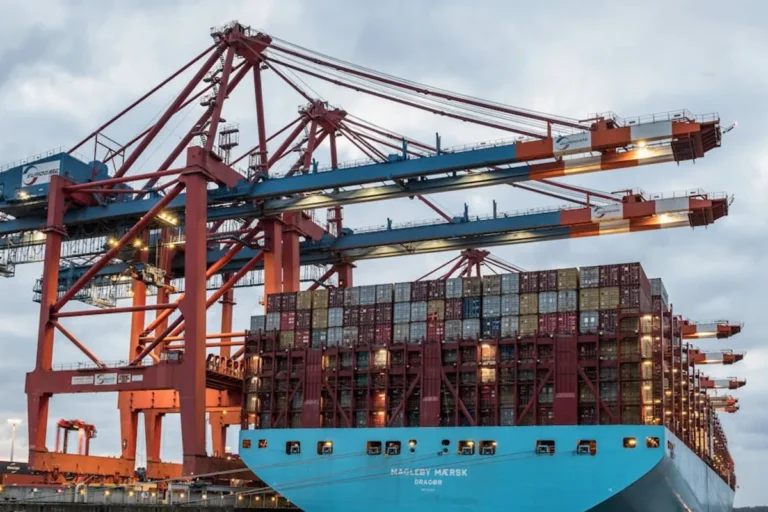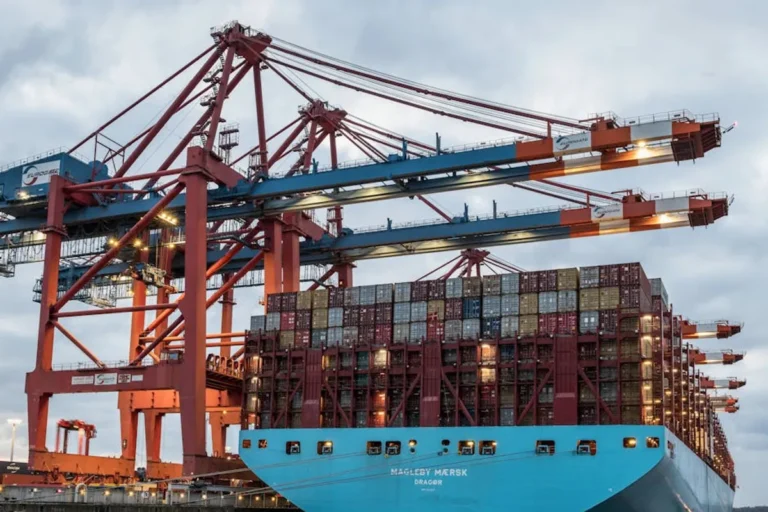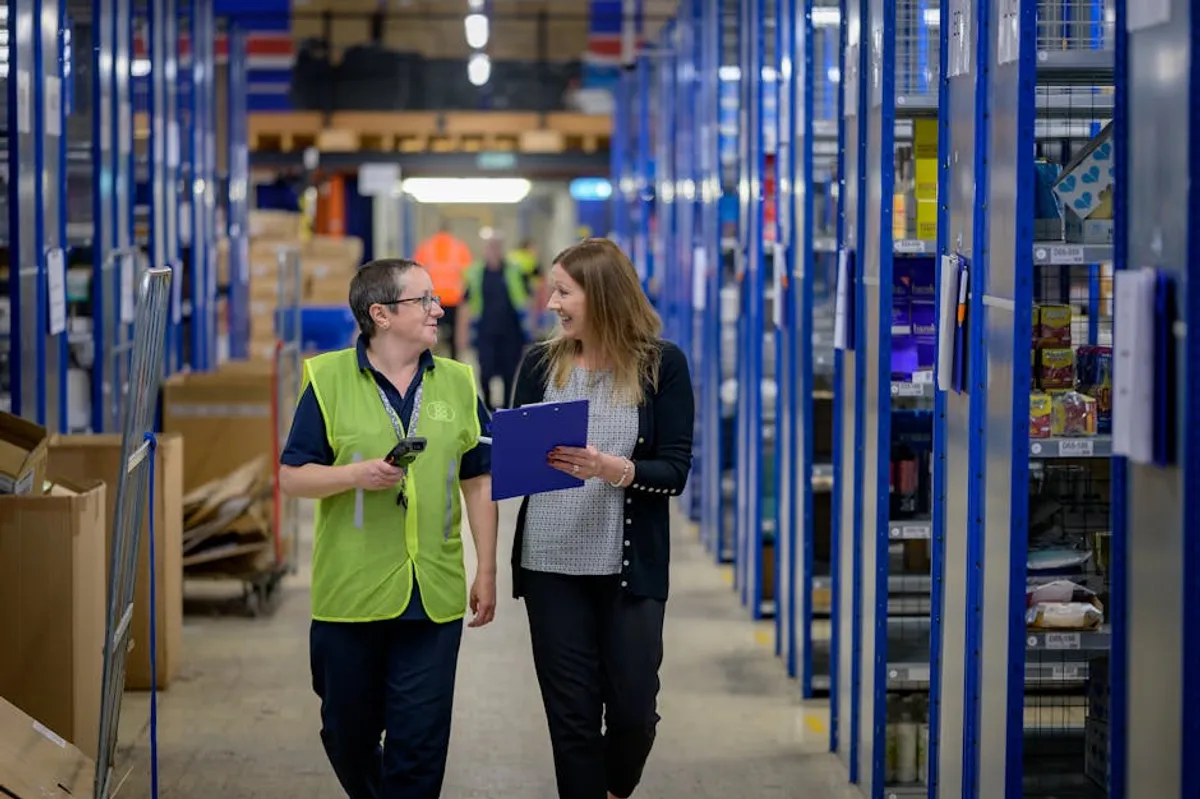
Modern global trade relies on an intricate network of processes, and at its core, warehouse logistics orchestrates the movement, storage, and management of goods from production to final delivery. This system is no longer just about storing boxes; it has evolved into a strategic function that directly impacts supply chain efficiency, customer satisfaction, and a company's bottom line. Understanding its mechanics is crucial for businesses navigating today's complex international markets, where speed, accuracy, and cost-effectiveness are paramount for competitive advantage.
Core Components of Modern Warehouse Operations
Effective warehouse logistics integrates several critical functions to ensure seamless product flow and optimal resource utilization. Each component contributes to the overall speed and reliability of the supply chain.
Advanced Inventory Management Systems
The foundation of modern warehousing is precise inventory control. This involves tracking every item from its arrival at the warehouse through its departure. Advanced Warehouse Management Systems (WMS) use real-time data to monitor stock levels, predict demand fluctuations, and optimize storage locations. This minimizes holding costs and reduces the risk of stockouts or overstocking, which are costly in a global context.
Optimized Storage and Handling Solutions
Warehouses deploy diverse storage technologies to accommodate varied product types and volumes. This ranges from traditional pallet racking for bulk goods to automated storage and retrieval systems (AS/RS) for high-density, rapid-access items. Specialized facilities, such as temperature-controlled zones, are essential for perishable goods or pharmaceuticals, maintaining product integrity across international borders. Material handling equipment, often automated, ensures efficient movement within the facility.
Efficient Order Fulfillment Processes
Order fulfillment encompasses picking, packing, and dispatching goods accurately and quickly. Modern warehouses leverage technologies like pick-to-light, voice picking, and robotic systems to accelerate this process. The goal is to minimize human error and cycle times, ensuring that orders are prepared for shipment promptly, a critical factor for meeting e-commerce delivery expectations globally.
Strategic Reverse Logistics Management
Returns, repairs, and recycling are integral to the modern supply chain. Reverse logistics handles the flow of goods from the customer back to the warehouse or manufacturer. An efficient reverse logistics system reduces waste, recovers value from returned products, and maintains customer trust. This often involves dedicated processing areas and partnerships for refurbishment or environmentally responsible disposal.
Strategic Role in Global Supply Chains
Warehouse logistics extends beyond facility operations, playing a pivotal role in the broader global supply chain architecture.
Geographic Placement and Distribution Networks
The location of warehouses and distribution centers is a strategic decision, influencing transit times and shipping costs. Companies establish regional hubs, cross-docking facilities, and even urban micro-fulfillment centers to get products closer to end-consumers. This network design minimizes the "last mile" challenge, particularly in international distribution where customs and varied infrastructure add complexity.
Customs Compliance and Bonded Warehousing
For international trade, warehouses often function as critical points for customs clearance. Bonded warehouses, for instance, allow goods to be stored without immediate payment of duties or taxes until they are released for consumption or re-export. This provides flexibility for importers and exporters, improving cash flow and simplifying complex regulatory processes across different countries.
Building Resilience and Agility
Modern global trade is characterized by volatility. Warehouse logistics contributes to supply chain resilience by enabling buffer stock management, alternative storage locations, and rapid re-routing capabilities. Agility is built through systems that can quickly adapt to demand spikes, supply disruptions, or shifts in trade routes, ensuring continuous product availability despite external pressures. This highlights shipping delays and logistics differences that companies must navigate.
Technological Advancements Driving Efficiency
Innovation in technology continuously reshapes warehouse operations, offering new levels of precision and speed.
- Warehouse Management Systems (WMS): These software platforms are the central nervous system, managing inventory, labor, space, and equipment. They integrate with ERPs and transportation management systems (TMS) for end-to-end visibility.
- Automation and Robotics: Automated Guided Vehicles (AGVs), Autonomous Mobile Robots (AMRs), and AS/RS reduce manual labor, increase throughput, and operate 24/7. They handle repetitive tasks, improving safety and accuracy.
- Internet of Things (IoT) and Sensor Technology: IoT devices monitor environmental conditions (temperature, humidity), track asset location, and provide real-time data on equipment performance. This proactive monitoring prevents issues and optimizes maintenance.
- Artificial Intelligence (AI) and Machine Learning (ML): AI algorithms optimize picking paths, predict demand, and enhance inventory placement. ML improves forecasting accuracy by analyzing historical data and external factors, leading to more intelligent stock management.
Pro Tip: Prioritize data integration across all warehouse and supply chain systems. Disconnected data sources lead to operational blind spots, inefficient decision-making, and increased risk in global trade. A unified data environment enables real-time visibility, predictive analytics, and fosters a truly responsive logistics operation. Streamlining key shipping documentation processes is vital for efficient data integration.
Strategic Imperatives for Modern Warehouse Logistics
Businesses must focus on several key areas to leverage warehouse logistics effectively in the current global trade landscape.
First, invest in scalable technology. Solutions that can adapt to changing demand, product lines, and global regulations offer long-term value. Second, cultivate a skilled workforce capable of operating advanced systems; technology alone is insufficient without competent human oversight. Third, prioritize sustainability by optimizing routes, reducing energy consumption in facilities, and implementing eco-friendly packaging. Finally, build robust risk management protocols, including disaster recovery plans and cybersecurity measures, to protect operations and data in an interconnected world.
Frequently Asked Questions
What is the primary goal of warehouse logistics in global trade?
The primary goal is to efficiently store, manage, and move goods across international borders, ensuring products are available at the right place and time, while minimizing costs and maximizing customer satisfaction.
How does automation impact warehouse logistics?
Automation significantly increases efficiency, accuracy, and speed in warehouses by reducing manual labor for repetitive tasks, optimizing storage, accelerating order fulfillment, and improving safety.
What role do WMS (Warehouse Management Systems) play?
WMS are critical software platforms that manage and optimize all warehouse operations, from inventory tracking and storage allocation to order picking and shipping, integrating with broader supply chain systems.
Why is reverse logistics important in global trade?
Reverse logistics is crucial for managing product returns, repairs, and recycling efficiently, recovering value from goods, reducing waste, and maintaining a positive customer experience, which is vital for brand reputation globally.