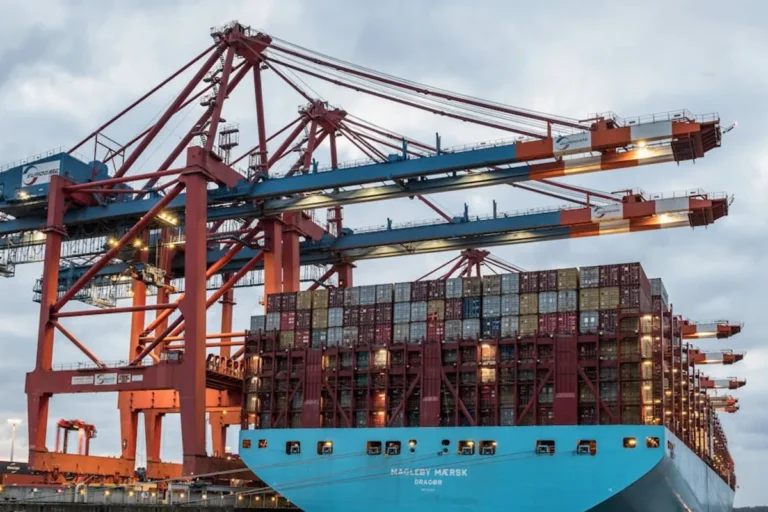
Reducing bulk shipping costs is not a singular action but a continuous process of strategic optimization across multiple operational facets. For businesses moving large volumes of goods, even marginal percentage savings translate into substantial financial benefits, directly impacting profitability and competitive pricing. This article outlines specific, actionable strategies to identify and eliminate inefficiencies in your bulk shipping operations, focusing on areas from carrier relations to technological integration.
Strategic Carrier Negotiation and Relationship Management
The foundation of cost reduction in bulk shipping often lies in effectively managing relationships with your carriers. This extends beyond simply comparing quotes; it involves understanding their cost structures, your shipping profile, and leveraging volume for better terms. Avoiding common shipping container mistakes can significantly reduce bulk shipping costs.
Leveraging Volume and Consistency
Carriers prioritize consistent, high-volume shippers. Presenting a clear, data-backed overview of your shipping history and future projections positions you for stronger negotiation. Focus on consolidating shipments where possible to increase your total volume with a single carrier or a select few, rather than fragmenting it across many. This allows carriers to better optimize their routes and capacity, which they can pass on as savings.
Negotiation points include:
- Base Rates: Discuss tiered pricing based on volume thresholds.
- Fuel Surcharges: Negotiate caps or indexed rates that are more favorable.
- Accessorial Charges: Challenge or reduce fees for services like liftgates, residential delivery, re-delivery, or detention. Many of these are negotiable or can be avoided with proper planning.
- Service Level Agreements (SLAs): Define clear expectations for transit times and service quality, often with penalties for non-compliance, which can indirectly save costs by preventing delays or damages.
- Payment Terms: Extended payment terms can improve your cash flow.
Pro Tip: Regularly review your carrier contracts, ideally annually, but also after any significant changes in your shipping volume or patterns. Market conditions and carrier capabilities evolve, creating new opportunities for negotiation.
Diversifying Carrier Relationships
While consolidating volume with preferred carriers is beneficial, maintaining relationships with a secondary carrier or two provides leverage and contingency. This prevents over-reliance on a single provider and gives you alternatives during peak seasons, strikes, or unexpected disruptions, mitigating potential cost spikes from urgent, non-contracted shipments.
Optimizing Packaging and Palletization
Packaging directly impacts shipping costs, particularly with the prevalence of dimensional weight (DIM weight) pricing. Reducing package size and weight without compromising product protection is a critical cost-saving measure. Proper shipping documentation best practices also play a role in reducing package size and weight.
Reducing Dimensional Weight
DIM weight pricing calculates shipping costs based on package volume rather than actual weight, if the volume-based weight is higher. To combat this, use the smallest possible packaging that adequately protects your product. This might involve custom-sized boxes, inflatable void fill instead of bulky peanuts, or re-evaluating product inserts.
Considerations:
- Right-sized packaging: Minimize empty space within boxes.
- Lightweight materials: Opt for lighter corrugated cardboard or alternative protective materials where feasible.
- Compact product design: If possible, influence product design to be more shipping-friendly.
Efficient Palletization
For LTL (Less Than Truckload) and FTL (Full Truckload) shipments, how you stack and secure pallets affects space utilization and damage rates. Maximize the number of units per pallet without exceeding height or weight limits, and ensure pallets are stable to prevent shifting during transit. Proper pallet wrapping and corner boards protect goods and reduce the likelihood of damage claims, which are an indirect cost.
Logistics Planning and Route Optimization
Efficient logistics planning can significantly cut fuel, labor, and time-related expenses.
Consolidating Shipments
For multiple smaller shipments going to the same general region, consolidating them into larger LTL or FTL loads is almost always more cost-effective than shipping each individually. This reduces the number of pickups, drops, and administrative overhead.
Best for: Businesses with frequent, smaller orders to diverse locations.
Backhauling and Multi-stop Routes
When you have your own fleet or contract dedicated carriers, explore opportunities for backhauls – picking up another load for the return journey. This turns what would be an empty return trip into a revenue-generating or cost-reducing one. Similarly, optimizing multi-stop routes to minimize mileage and driving time directly reduces fuel and labor costs.
Utilizing Shipping Software
Transportation Management Systems (TMS) and route optimization software can analyze complex variables like traffic, delivery windows, fuel costs, and driver availability to generate the most efficient routes. These systems provide real-time tracking, improve delivery predictability, and often identify consolidation opportunities that human planners might miss.
Leveraging Technology and Data Analysis
Technology plays an increasingly vital role in identifying inefficiencies and automating cost-saving processes.
Data-Driven Decision Making
Collect and analyze data on your shipping history: actual costs versus quoted, transit times, damage rates, carrier performance, and accessorial charges. This data provides objective insights for negotiation, identifies problematic routes or carriers, and highlights areas for operational improvement. Use this data to benchmark performance and set realistic cost-reduction goals.
Automation and Integration
Integrating your shipping processes with your order management and inventory systems can automate rate shopping, label generation, and tracking updates. This reduces manual errors, saves administrative time, and ensures you're consistently selecting the most cost-effective shipping option for each order based on predefined rules.
Implementing Your Cost Reduction Plan
Reducing bulk shipping costs is an ongoing effort that requires continuous monitoring and adaptation. Start by conducting a thorough audit of your current shipping expenses, including all hidden fees and surcharges. Prioritize the strategies that offer the highest potential for savings with the least disruption to your operations. Implement changes incrementally, measure their impact, and be prepared to adjust your approach based on real-world results and evolving market conditions. Regular communication with your carriers and internal logistics teams is crucial for successful implementation and sustained savings.
Frequently Asked Questions
What is dimensional weight (DIM weight) and why does it matter for bulk shipping?
Dimensional weight is a pricing technique where carriers charge based on a package's volume (length x width x height / DIM factor) if that calculated weight is greater than the actual physical weight. It matters because it can significantly increase shipping costs for bulky, lightweight items, making efficient packaging crucial for cost reduction.
How often should I renegotiate my carrier contracts?
While annual reviews are a good baseline, consider renegotiating whenever there's a significant change in your shipping volume (up or down), a major shift in market rates, or if your service needs evolve. Proactive communication with carriers, even outside formal renegotiation periods, can also yield benefits.
Can shipping software really save me money?
Yes, Transportation Management Systems (TMS) and route optimization software can generate substantial savings. They do this by identifying the most cost-effective carriers and routes, consolidating shipments, reducing fuel consumption, minimizing manual errors, and providing data for better negotiation and strategic planning.
What are accessorial charges, and how can I reduce them?
Accessorial charges are additional fees for services beyond basic transportation, such as liftgate service, residential delivery, re-delivery attempts, fuel surcharges, or detention fees. You can reduce them by negotiating lower rates for common accessorials, optimizing delivery processes to avoid re-delivery or detention, and ensuring accurate billing by auditing invoices.