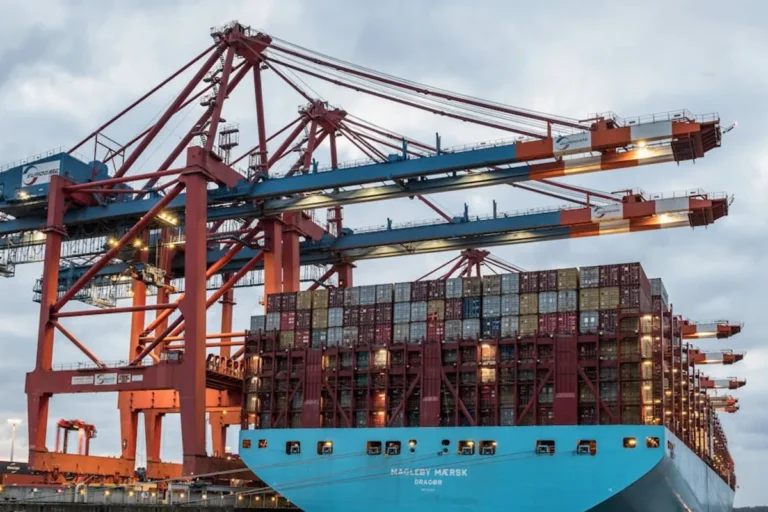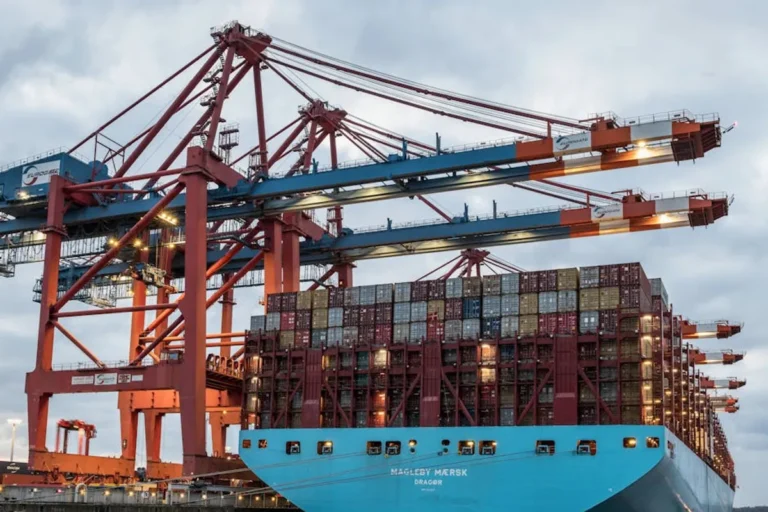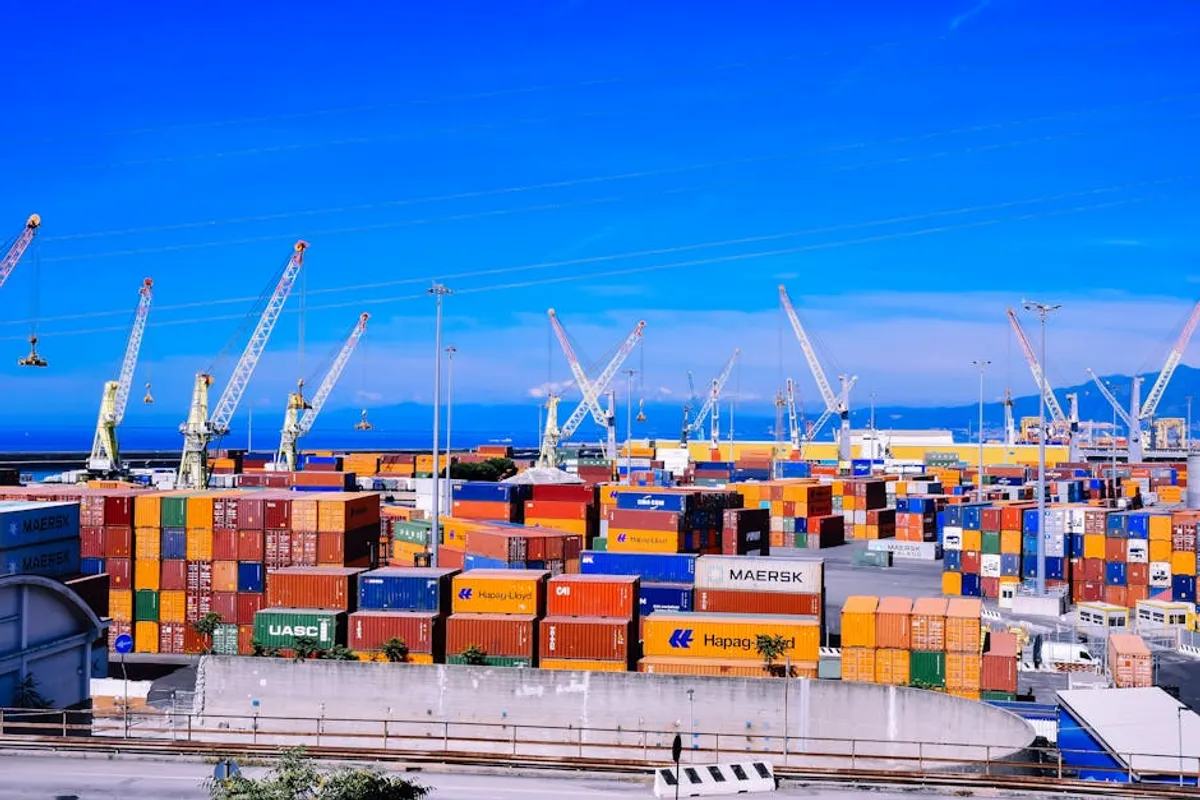
The operational backbone of modern global trade relies heavily on one ubiquitous yet often overlooked component: the shipping container. For businesses navigating complex logistics, understanding why shipping containers are fundamental to supply chain reliability is not merely academic; it is a critical factor in managing costs, ensuring timely delivery, and mitigating risk. These standardized units dictate the flow of goods from manufacturing facilities to consumer markets, directly impacting everything from inventory management to market responsiveness. Their role extends beyond simple transport, embedding efficiency and predictability into every stage of the supply chain. Their role extends beyond simple transport, directly impacting the need for improving supply chain visibility.
Standardization as a Foundation for Reliability
The primary contribution of shipping containers to supply chain reliability stems from their global standardization. Before their widespread adoption, cargo handling was a fragmented, labor-intensive process, susceptible to delays and damage at every transfer point. The introduction of ISO (International Organization for Standardization) standards for container dimensions and specifications revolutionized this. This universal conformity ensures that a container loaded in one part of the world can be seamlessly transferred, stacked, and transported by any compliant vessel, train, or truck anywhere else.
ISO Standards and Global Interoperability
The adherence to ISO 668 and other related standards means that container chassis, port cranes, ship cells, and railcar fittings are all designed to accommodate the same physical dimensions. This interoperability eliminates the need for repackaging or specialized handling equipment at each transition point, drastically reducing transit times and labor costs. For supply chain managers, this standardization translates into predictable transit schedules and reduced variability, which are essential for inventory planning and meeting delivery commitments.
Impact on Loading and Unloading Efficiency
Standardization also streamlines the critical processes of loading and unloading. Containers arrive pre-packed and sealed, requiring only mechanical handling rather than individual item manipulation. This allows for rapid turnaround times at ports and depots, maximizing throughput and minimizing vessel or vehicle idle time. The ability to quickly move large volumes of goods off one mode of transport and onto another is a direct driver of supply chain velocity and, consequently, reliability.
Security and Protection of Goods
Beyond their structural integrity, shipping containers provide a crucial layer of security and protection for cargo, directly contributing to supply chain reliability by minimizing loss and damage. The robust design and secure locking mechanisms significantly reduce opportunities for theft, while the sealed environment protects goods from environmental hazards.
Physical Integrity and Tamper Resistance
Modern shipping containers are constructed from weathering steel, designed to withstand extreme conditions, including harsh marine environments, rough handling, and prolonged exposure to elements. This physical robustness protects cargo from impact, moisture, and temperature fluctuations. Furthermore, their secure locking systems, often augmented with tamper-evident seals, provide a clear indication if a container has been compromised during transit. This security feature is vital for high-value goods and for maintaining the integrity of sensitive shipments, such as pharmaceuticals or electronics.
Minimizing Transit Damage and Loss
The ability to pack goods securely within a container, often using dunnage and bracing, prevents shifting and damage during transport. This significantly reduces instances of broken or spoiled goods reaching their destination, cutting down on claims, returns, and the associated costs and delays. For businesses, this translates into fewer disruptions, higher customer satisfaction, and a more dependable flow of products to market.
Intermodal Transport Efficiency
The design of shipping containers is intrinsically linked to the concept of intermodal transport, where goods move seamlessly across different transportation modes—ship, rail, and truck—without intermediate handling of the cargo itself. This efficiency is a cornerstone of modern, reliable supply chains. This efficiency is a cornerstone of modern, reliable supply chains, and understanding how ocean freight works is key to this.
Seamless Transition Across Modes
The uniform dimensions and structural integrity of containers enable them to be lifted from a ship directly onto a railcar or truck chassis with specialized cranes. This eliminates the time-consuming and costly process of unloading and reloading individual items at each transfer point. The 'door-to-door' capability of containerization means that a single unit can travel from the point of origin to the final destination, regardless of the transport modes involved, significantly reducing handling errors and potential for damage.
Reduced Handling and Expedited Flow
Minimizing manual handling at transshipment points not only reduces labor costs but also accelerates the overall transit time. Each time cargo is handled, there is a risk of delay, damage, or misplacement. By keeping goods sealed within a container for the majority of their journey, supply chains achieve greater speed and predictability. This expedited flow is critical for industries with tight deadlines, perishable goods, or just-in-time inventory strategies.
Economic Advantages and Scalability
The economic benefits derived from containerization are profound, directly contributing to the scalability and cost-effectiveness of reliable supply chains. These efficiencies allow businesses to operate globally with greater financial predictability.
Cost Per Unit and Volume Capacity
Shipping containers enable the consolidation of vast quantities of goods into single, manageable units. This allows for significant economies of scale, driving down the cost per unit of transportation. The ability to maximize cargo volume within a standardized container directly impacts freight expenditure, making global trade more accessible and competitive. For companies, this means lower landed costs for products and the ability to offer more competitive pricing.
Global Reach and Market Access
The standardized nature and widespread availability of shipping containers facilitate global market access. Businesses can reliably source materials from distant suppliers and distribute products to international markets with a consistent and predictable logistics framework. This global reach, supported by a robust container shipping network, reduces geographical barriers and enables companies to optimize their supply chains for cost, quality, and resilience, regardless of location.
Pro Tip: To maximize container utilization and enhance supply chain reliability, consider employing advanced load planning software. These tools optimize cargo placement within containers, minimizing empty space, ensuring weight distribution, and often allowing for consolidation of smaller shipments. This not only reduces freight costs but also contributes to fewer containers needed, leading to a more efficient and environmentally sound logistics operation.
- Enhanced Planning: Predictable transit times allow for more accurate inventory forecasting and production scheduling.
- Reduced Loss: Secure containers minimize theft and damage, preserving product value and reducing insurance claims.
- Cost Efficiency: Economies of scale and reduced handling costs lower overall logistics expenditures.
- Global Reach: Standardized infrastructure supports seamless international trade and market expansion.
- Environmental Impact: Optimized routing and full container loads can contribute to a lower carbon footprint per unit transported.
Building Resilient Supply Chains Through Container Management
The reliability of a supply chain is fundamentally linked to the effective management and utilization of shipping containers. Their standardization, security features, and intermodal compatibility are not merely conveniences; they are essential design principles that underpin the efficiency and resilience of global logistics. Businesses that prioritize strategic container management—from optimizing loading to tracking and maintenance—are better positioned to navigate disruptions, control costs, and consistently meet market demands. Investing in robust container logistics is an investment in the long-term stability and competitiveness of the entire supply chain ecosystem.
Frequently Asked Questions About Shipping Containers
What are the standard dimensions of shipping containers?
The most common standard dimensions are 20-foot (20' x 8' x 8'6") and 40-foot (40' x 8' x 8'6") containers, though "high cube" versions (40' x 8' x 9'6") and specialized containers exist for various cargo types.
How do shipping containers improve cargo security?
Their robust steel construction, sealed doors, and secure locking mechanisms deter theft and protect goods from environmental damage. Many containers are also fitted with GPS tracking and electronic seals for enhanced monitoring.
What is intermodal transport, and how do containers facilitate it?
Intermodal transport involves moving goods using multiple modes of transport (e.g., ship, rail, truck) without handling the cargo itself when transferring between modes. Containers facilitate this by providing a standardized, transferable unit that can be easily lifted and secured across different vehicles and vessels.
What is the typical lifespan of a shipping container?
A well-maintained shipping container used for international cargo can have a lifespan of 10 to 15 years, or even longer, before it's retired from active shipping service and potentially repurposed for other uses.