Logistics managers face increasing pressure to integrate sustainable practices into their shipping operations. This isn't solely about environmental stewardship; it's a strategic imperative influencing operational costs, regulatory compliance, brand reputation, and long-term viability. A well-executed green shipping strategy can reduce fuel consumption, minimize waste, and streamline supply chain processes, translating directly into financial savings and enhanced market positioning. This checklist provides actionable steps for evaluating current practices and implementing measurable improvements, moving beyond aspirational goals to concrete, operational changes.
Initial Assessment and Goal Setting
Effective green shipping begins with understanding your current footprint and establishing clear objectives. Without a baseline, measuring progress becomes impossible.
Baseline Emissions Measurement
Accurately quantify your current greenhouse gas (GHG) emissions across all shipping activities. This includes direct emissions from company-owned vehicles (Scope 1) and indirect emissions from purchased electricity, heating, and cooling (Scope 2). For a comprehensive view, also consider Scope 3 emissions from upstream and downstream activities, such as outsourced transportation and waste disposal. Data points like fuel consumption by vehicle type, mileage, and energy usage at distribution centers are crucial for this assessment.
Identify Key Impact Areas
Once emissions are measured, pinpoint the largest contributors. This might be long-haul trucking, specific packaging materials, or energy-intensive warehousing. Understanding where the most significant impacts occur allows for targeted interventions that yield the greatest returns. For instance, if a large percentage of emissions come from last-mile delivery, solutions in that segment will be prioritized over optimizing ocean freight if it's a minor component.
Define Measurable Green Objectives
Set specific, measurable, achievable, relevant, and time-bound (SMART) goals. Examples include "Reduce fuel consumption by 15% across the fleet within two years" or "Achieve 80% recyclable packaging by Q4 next year." These objectives provide a framework for decision-making and allow for clear tracking of progress against established targets.
Transportation Mode Optimization
The choice of transportation mode significantly impacts environmental footprint and cost. Shifting away from solely road-based transport can yield substantial benefits.
Evaluate Multi-Modal Transport Options
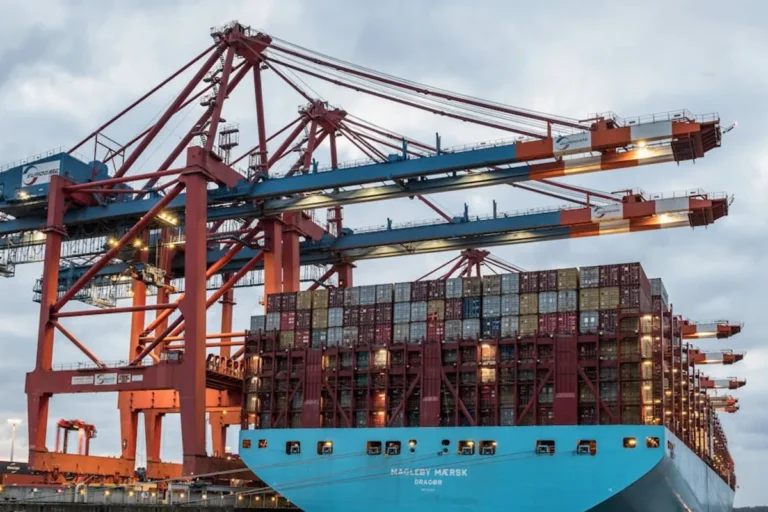
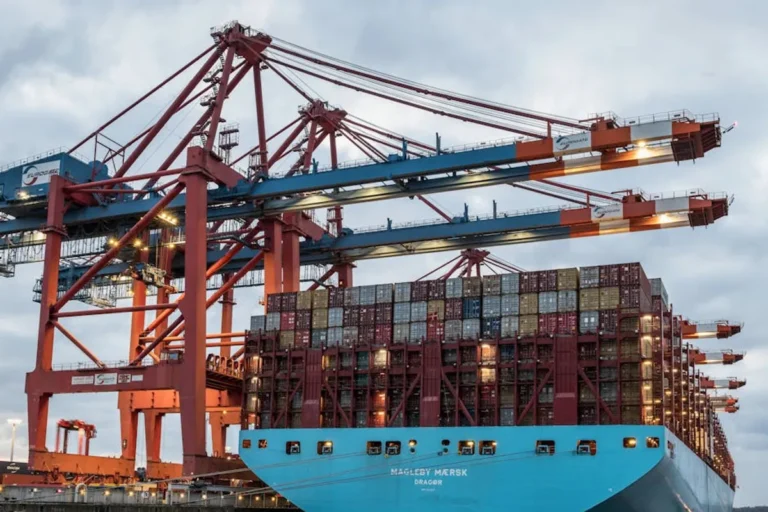
Explore combinations of rail, sea, air, and road transport. Rail and sea freight generally produce fewer emissions per ton-mile compared to trucking or air cargo. Integrating these modes for longer hauls and using road transport for shorter, final-mile deliveries can drastically reduce overall carbon intensity.
Prioritize Lower-Emission Modes
For every shipment, assess whether a lower-emission alternative to the default mode is feasible. While air freight offers speed, its environmental cost is considerably higher. For non-urgent shipments, prioritize rail or sea. This requires careful planning and potentially longer lead times, but the environmental and cost savings can be substantial.
Consolidate Shipments
Maximize cargo capacity by consolidating smaller shipments into full truckloads (FTL) or full container loads (FCL). This reduces the number of vehicles on the road or vessels at sea, leading to fewer empty miles and more efficient resource utilization. Less-than-truckload (LTL) or less-than-container-load (LCL) options should be optimized through intelligent load planning and freight aggregation.
Fleet Efficiency and Maintenance
For operations reliant on road transport, optimizing the existing fleet is a critical step in green shipping.
Invest in Fuel-Efficient Vehicles
Upgrade to vehicles with better fuel economy or explore alternative fuel options such as electric, hybrid, or natural gas vehicles. While initial investment costs may be higher, long-term operational savings from reduced fuel consumption and potential tax incentives can offset these expenses.
Implement Route Optimization Software
Utilize advanced software to plan the most efficient delivery routes, minimizing distance traveled, avoiding traffic congestion, and optimizing delivery sequences. This reduces fuel consumption, driver hours, and wear and tear on vehicles.
Driver Training for Eco-Driving
Educate drivers on eco-driving techniques, including smooth acceleration, anticipating traffic, maintaining consistent speeds, and avoiding excessive idling. These practices can significantly reduce fuel consumption and emissions without requiring new equipment.
Regular Vehicle Maintenance
Ensure all vehicles undergo regular maintenance, including tire pressure checks, engine tuning, and filter replacements. Well-maintained vehicles operate more efficiently, consume less fuel, and emit fewer pollutants.
Sustainable Packaging Solutions
Packaging is often a hidden contributor to environmental impact. Rethinking materials and design can lead to significant improvements.
- Reduced Material Volume: Design packaging to be as compact and lightweight as possible without compromising product protection. This lowers material usage and reduces shipping weight, which in turn saves fuel.
- Recyclable or Biodegradable Materials: Choose materials that are easily recyclable, made from recycled content, or are biodegradable. Examples include corrugated cardboard, paper-based cushioning, and plant-based plastics.
- Optimized Package Dimensions: Match package size to product size to minimize void fill and maximize space utilization within shipping containers. This reduces the need for excessive dunnage and improves load efficiency.
Technology Integration and Data Utilization
Leveraging technology is fundamental for accurate monitoring, optimization, and reporting in green logistics.
Supply Chain Visibility Platforms
Implement platforms that provide end-to-end visibility across your supply chain. This allows for real-time tracking of shipments, identification of inefficiencies, and better decision-making regarding routes and modes.
Carbon Accounting Software
Utilize specialized software to automate the collection, calculation, and reporting of carbon emissions data. This ensures accuracy, simplifies compliance reporting, and provides actionable insights for further reductions.
IoT for Real-time Monitoring
Deploy Internet of Things (IoT) devices on vehicles and in warehouses to monitor conditions like temperature, humidity, and location. This data can optimize storage conditions, prevent spoilage, and improve route efficiency, reducing waste and energy consumption.
Pro Tip: Ensure the data collected for green shipping initiatives is accurate and verifiable. Relying on estimates or incomplete information can lead to misguided strategies and undermine the credibility of your sustainability claims. Invest in robust data collection systems and regular audits.
Collaboration and Certification
Green shipping is rarely an isolated effort; it often requires external partnerships and adherence to industry standards.
Partner with Green Suppliers and Carriers
Select business partners who share your commitment to sustainability. Inquire about their environmental policies, fleet efficiency, and use of renewable energy. Collaborating with like-minded entities can amplify your own efforts and create a more sustainable supply chain ecosystem.
Pursue Industry Certifications
Seek recognized environmental certifications for your operations. These certifications (e.g., ISO 14001, SmartWay) demonstrate a commitment to sustainability, build trust with customers, and often provide frameworks for continuous improvement.
Engage Stakeholders Internally
Foster a culture of sustainability within your organization. Educate employees about the importance of green initiatives and encourage their participation. Engaged staff are more likely to identify opportunities for improvement and adhere to new sustainable practices.
Sustaining Green Logistics Initiatives
Implementing a green shipping checklist is an ongoing process, not a one-time project. Regular review, adaptation, and continuous improvement are essential for long-term success. Monitor key performance indicators (KPIs) related to emissions, fuel consumption, and waste reduction. Use these metrics to identify areas for further optimization and to demonstrate the tangible benefits of your sustainability efforts to stakeholders. Celebrate successes and adapt strategies as new technologies emerge or regulatory landscapes shift, ensuring your logistics operations remain both efficient and environmentally responsible.
Frequently Asked Questions
What are the primary benefits of green shipping for logistics managers?
Green shipping offers multiple benefits, including reduced operational costs through fuel efficiency and waste minimization, enhanced brand reputation, compliance with environmental regulations, and improved supply chain resilience against future resource scarcity or carbon pricing.
How can small logistics operations begin implementing green shipping practices?
Small operations can start by focusing on simple, cost-effective measures: optimizing delivery routes, ensuring proper vehicle maintenance, training drivers in eco-driving techniques, and consolidating shipments to reduce partial loads. Even small changes can yield significant environmental and financial returns.
What role does technology play in sustainable logistics?
Technology is crucial for green logistics, enabling precise emissions measurement, real-time route optimization, efficient fleet management, and transparent supply chain visibility. Tools like carbon accounting software and IoT devices provide data-driven insights to identify inefficiencies and track progress effectively.
Is green shipping always more expensive to implement?
While some green initiatives may require initial investment (e.g., electric vehicles, new software), many strategies like route optimization, driver training, and shipment consolidation can lead to immediate cost savings. The long-term financial benefits, including reduced fuel costs and avoidance of future carbon taxes, often outweigh initial expenses.