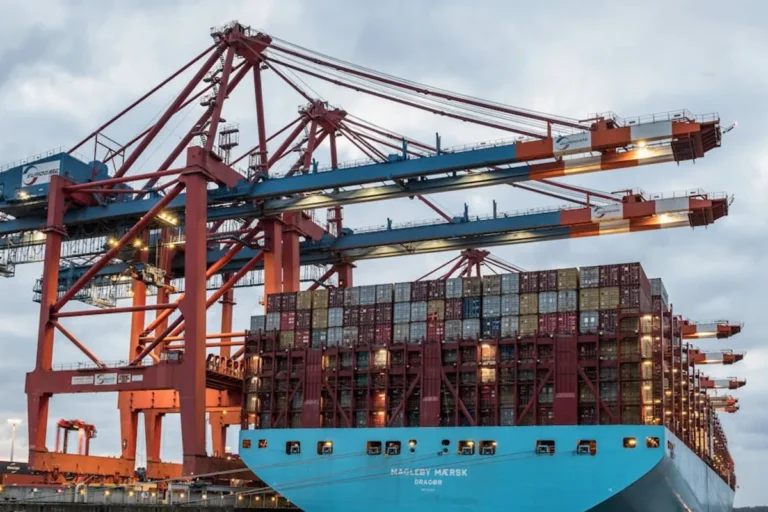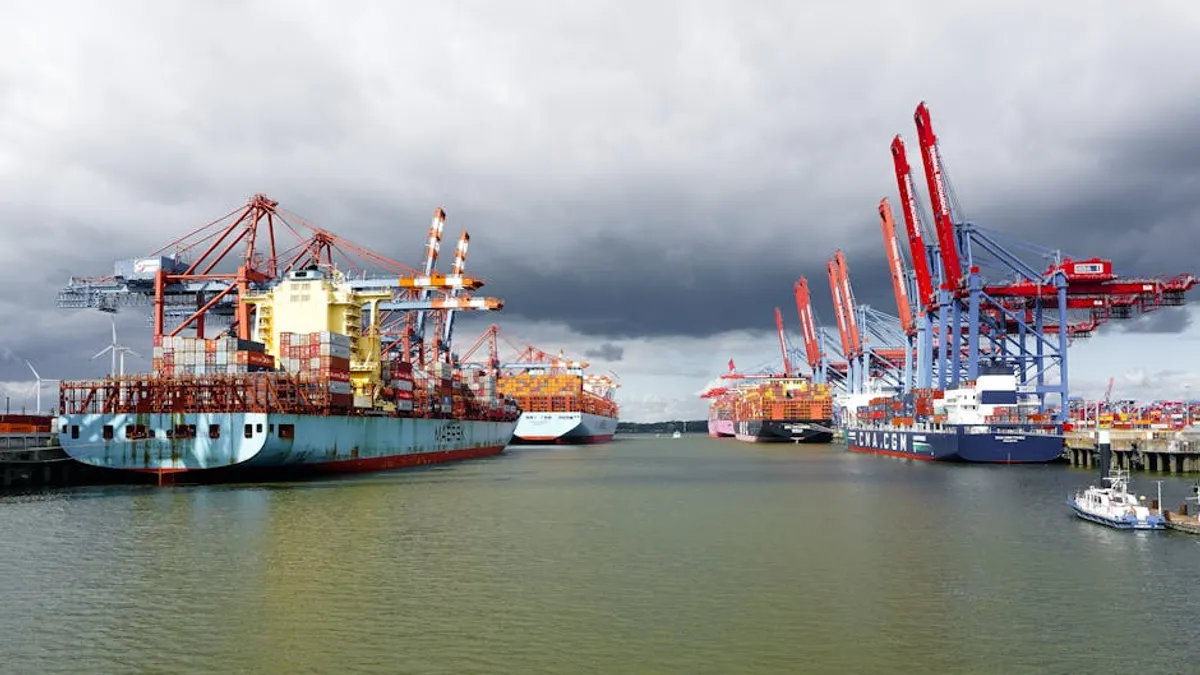
Transshipment, the process of moving goods from one vessel or vehicle to another during transit, often at an intermediate port or hub, presents a strategic advantage for optimizing freight routes and reducing direct shipping costs. However, for those new to international logistics, the intricacies involved can lead to significant operational disruptions, financial penalties, and damaged supply chain relationships. Understanding and proactively mitigating common pitfalls is critical for leveraging transshipment effectively rather than incurring unforeseen liabilities.
Fundamental Misunderstandings of Transshipment
Confusing Transshipment with Cross-Docking or Direct Shipping
A frequent error among beginners is conflating transshipment with related but distinct logistical processes. Transshipment specifically involves an intermediate change of transport mode or carrier to complete a journey, often crossing international borders. Cross-docking, conversely, focuses on rapidly transferring goods from an inbound to an outbound transport at a distribution center with minimal or no storage, primarily for domestic or regional distribution efficiency. Direct shipping bypasses intermediate hubs entirely, moving goods straight from origin to destination. Misidentifying the appropriate method can lead to incorrect documentation, unsuitable carrier selection, and unexpected costs. For instance, applying cross-docking principles to a transshipment scenario might neglect critical customs procedures at the intermediate port, resulting in cargo seizure or significant delays.
Underestimating Customs and Regulatory Complexities
Transshipment often involves goods passing through multiple national jurisdictions, each with its own customs regulations, import/export duties, and compliance requirements. Beginners frequently underestimate the administrative burden and legal nuances. Each transshipment point may require specific declarations, permits, or adherence to local trade agreements. Failure to accurately classify goods, provide correct origin documentation, or comply with transit country-specific regulations can result in:
- Delayed cargo release at transit ports.
- Imposition of unexpected tariffs or duties.
- Fines for non-compliance.
- Cargo detention or even confiscation.
- Reputational damage with customs authorities and carriers.
A thorough understanding of each transit country’s specific customs protocols for goods in transit, distinct from goods intended for import, is non-negotiable.
Operational Oversight and Planning Errors
Inadequate Carrier Selection and Vetting
The choice of carrier for each leg of a transshipment journey directly impacts reliability and cost. Novices often prioritize the lowest quoted price without fully vetting the carrier's experience, network, and operational capabilities at the specific transshipment points. An inexperienced carrier may lack the necessary infrastructure, port relationships, or specific handling equipment required for seamless transfer. This can lead to:
- Extended dwell times at transshipment hubs.
- Increased risk of cargo damage during transfer.
- Poor communication regarding status updates.
- Inability to adapt to unforeseen disruptions.
Best practice: Evaluate carriers based on their proven track record for transshipment routes, their network coverage, and their communication protocols, not solely on initial cost.
Neglecting Proper Documentation and Data Accuracy
Errors or omissions in documentation are a primary cause of transshipment delays and penalties. Bills of Lading, commercial invoices, packing lists, certificates of origin, and hazardous material declarations must be meticulously accurate and consistent across all legs of the journey. Discrepancies between physical cargo and declared details, or between documents presented at different ports, trigger red flags for customs and port authorities. Even minor data entry errors can necessitate costly amendments, causing cargo to miss connecting vessels and incur substantial demurrage or storage fees.
Poor Inventory Visibility and Control
During transshipment, goods are often out of the direct control of the shipper for extended periods, moving between different carriers, terminals, and storage facilities. Beginners frequently lack robust systems for real-time tracking and inventory management during these transitions. This absence of visibility can lead to:
- Inability to proactively address delays or rerouting needs.
- Increased risk of theft or loss at intermediate points.
- Difficulty in providing accurate estimated times of arrival (ETAs) to end customers.
- Challenges in reconciling inventory discrepancies.
Implementing advanced tracking technologies and requiring detailed status updates from all involved parties is essential for maintaining control.
Cost-Related Pitfalls
Overlooking Hidden Fees and Surcharges
The quoted freight rate for transshipment rarely represents the total cost. Beginners often overlook a multitude of potential surcharges and fees that accumulate at intermediate ports. These can include:
- Terminal handling charges (THC) at both origin, transshipment, and destination ports.
- Container cleaning and maintenance fees.
- Fuel surcharges, which can fluctuate unpredictably.
- Currency adjustment factors (CAF).
- Security surcharges.
- Congestion surcharges if ports are experiencing high traffic.
A comprehensive understanding of the entire cost structure, including potential variable charges, is necessary for accurate budgeting.
Failing to Account for Delays and Storage Costs
Transshipment inherently introduces additional points of potential delay compared to direct shipping. Weather events, port congestion, customs inspections, or mechanical failures can hold up cargo at intermediate hubs. Beginners often fail to factor in the financial implications of these delays, which can include:
- Demurrage charges for containers remaining at the port beyond free time.
- Detention charges for containers held by the consignee beyond free time.
- Warehouse storage fees if cargo needs to be temporarily stored off-dock.
- Loss of sales or production due to missed deadlines.
Building buffer time into schedules and understanding the cost implications of exceeding free time limits are crucial.
Risk Management Deficiencies
Insufficient Insurance Coverage
Cargo is exposed to multiple handling points and environments during transshipment, increasing the risk of damage, loss, or theft. Relying solely on carrier liability, which is often limited by international conventions, is a common beginner mistake. Carrier liability typically covers only a fraction of the cargo's actual value, and often only under specific circumstances of proven carrier negligence. Without adequate marine cargo insurance, shippers bear the full financial burden of unforeseen incidents. Comprehensive "all-risk" cargo insurance, tailored to cover the entire transshipment journey, is a critical safeguard. Comprehensive insurance is vital for protecting cargo during transport against unforeseen incidents.
Ignoring Geopolitical and Environmental Risks
Transshipment routes can traverse regions susceptible to geopolitical instability, piracy, or extreme weather events. Beginners may overlook these broader risks, assuming a smooth journey based on standard schedules. Disruptions such as canal blockages, labor strikes at major ports, or severe storms can force rerouting, causing significant delays and additional costs. Proactive risk assessment, including monitoring global events and having contingency plans for alternative routes or modes, is essential for maintaining supply chain resilience.
Pro Tip: Implement a robust due diligence process for all third-party logistics providers involved in transshipment. This includes verifying their financial stability, operational licenses, insurance coverage, and a clear understanding of their communication protocols for incident reporting and status updates. A lack of transparency from any link in the chain can quickly escalate minor issues into major disruptions.
Actionable Steps for Successful Transshipment
To navigate the complexities of transshipment effectively, implement these practical measures:
- Detailed Route Analysis: Evaluate all potential transshipment points, considering their infrastructure, customs efficiency, and historical performance.
- Comprehensive Cost Projections: Obtain itemized quotes that include all potential surcharges and fees, and factor in contingency budgets for unforeseen costs.
- Advanced Documentation Management: Utilize digital platforms for document creation, sharing, and verification to minimize errors and ensure consistency.
- Supply Chain Visibility Tools: Invest in or leverage carrier-provided tracking systems that offer real-time updates across multiple legs of the journey.
- Robust Insurance Strategy: Secure comprehensive "all-risk" cargo insurance that covers the entire door-to-door transshipment process, not just individual legs.
- Contingency Planning: Develop alternative routing options and communication plans for potential disruptions such as port closures or carrier issues.
- Expert Consultation: Engage with experienced freight forwarders or logistics consultants specializing in transshipment for complex routes or high-value cargo.
Frequently Asked Questions about Transshipment
What is the primary benefit of using transshipment?
The primary benefit is often cost reduction by leveraging more economical carriers or routes for specific segments of a journey, or reaching destinations not directly served by a single carrier's network.
How does transshipment affect cargo security?
Transshipment introduces additional handling points, which can increase the risk of damage, loss, or theft. Robust packaging, clear labeling, and comprehensive insurance are crucial for mitigating these risks.
Are there specific types of cargo unsuitable for transshipment?
Highly sensitive, perishable, or extremely time-critical cargo may be less suitable for transshipment due to increased handling, potential delays, and exposure to varying environmental conditions. Direct shipping is often preferred for such goods.
What role do freight forwarders play in managing transshipment?
Freight forwarders act as intermediaries, coordinating all aspects of the transshipment process, including carrier selection, documentation, customs clearance at intermediate points, and tracking, thereby simplifying the process for the shipper.