Last-Mile Delivery vs Freight Shipping
Understand the critical distinctions between last-mile delivery and freight shipping to optimize logistics, reduce costs, and enhance customer satisfaction.
Anneke is a trade journalist who has spent the past twelve years covering ocean freight, port operations and the chartering market from Rotterdam. She started on the desk at a Dutch logistics weekly, did a stint covering bunker markets and IMO regulation, and now writes the kind of straight-talking shipping copy that chartering managers and port officials actually read on a Monday morning. The reporting here is sourced from shipping lines, terminal operators, ship managers, broker desks and the regulators who set the rules everyone else has to live with. No press-release journalism, no rankings of the world's most reliable carriers, no breathless coverage of the next mega-vessel order. Just the trade-press work that the industry has always relied on and that a smaller number of outlets continue to do properly.
Page 25 of 28 334 articles total
Understand the critical distinctions between last-mile delivery and freight shipping to optimize logistics, reduce costs, and enhance customer satisfaction.
Effective warehouse-to-port logistics streamline global supply chains, reducing costs and accelerating delivery for international shipments.
Master freight quote complexities with this importer's checklist, covering commodity details, Incoterms, shipping methods, and hidden costs for accurate landed.
Selecting the right shipping carrier requires assessing volume, package specifics, destinations, and service levels to optimize costs and customer satisfaction.
Choosing between 20ft and 40ft shipping containers requires assessing cargo volume, weight, cost, and logistics to optimize your shipping strategy effectively.
Businesses must understand the International Maritime Organization's emissions regulations to ensure compliance, manage costs, and mitigate operational risks.
Maritime companies are under pressure to cut emissions. Learn how they achieve this through operational efficiencies, advanced technologies, and alternative.
Maritime insurance protects global shipping operations from diverse risks, covering vessels, cargo, and liabilities essential for international trade continuity.
Understand Roll-on/Roll-off (RoRo) shipping for vehicles, detailing its process, commercial benefits, and key considerations for efficient global transport.
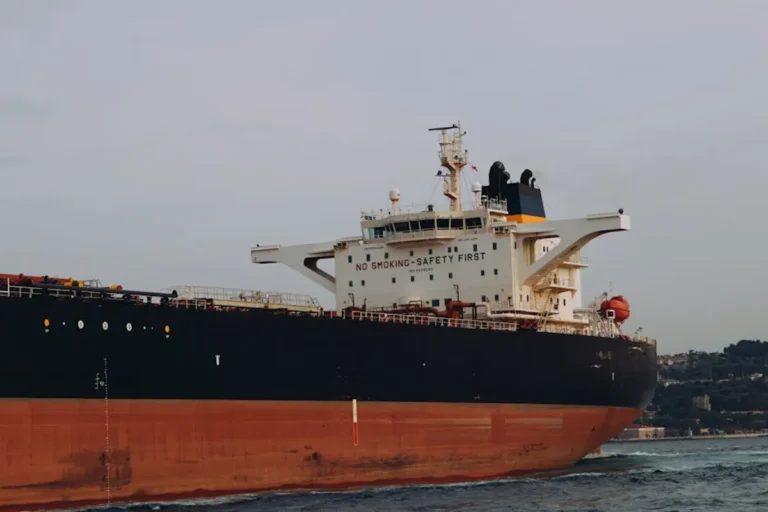
This guide explains tanker shipping for beginners, covering vessel types, cargo specifics, operational dynamics, and market influences on global trade.
Bulk carrier shipping forms the backbone of global raw material transport, directly influencing supply chains and commodity markets worldwide.
LNG shipping transports natural gas across oceans by supercooling it to a liquid state, reducing its volume by 600 times.