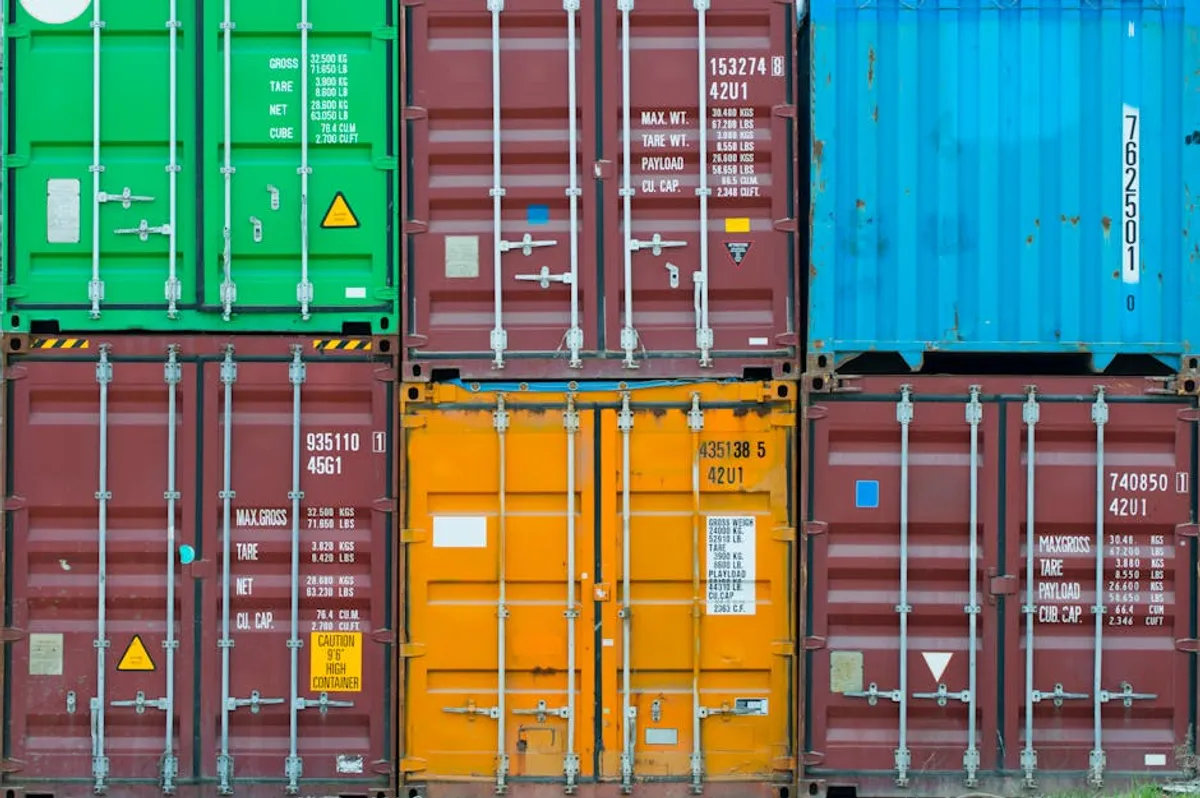
Selecting the appropriate shipping container size is a foundational decision for any logistics operation, directly impacting costs, efficiency, and cargo integrity. The choice between a 20ft and a 40ft container is not merely about volume; it involves a nuanced evaluation of cargo characteristics, transportation logistics, and budgetary constraints. Understanding the specific capabilities and limitations of each standard size is critical for optimizing supply chains and avoiding costly inefficiencies. This comparison details the practical considerations and commercial implications to guide an informed decision.
Understanding the Core Dimensions and Capacity
Standardized ISO shipping containers facilitate global trade by ensuring compatibility across various transport modes. While external dimensions are largely consistent, internal capacities and maximum payloads differ significantly between the 20ft and 40ft options, influencing their suitability for distinct cargo profiles.
The 20ft Standard Container
Often referred to as a "dry van" or "general purpose" container, the 20ft unit is a compact, robust solution for a variety of goods. Its smaller footprint makes it more maneuverable in congested ports and urban delivery environments. The primary advantage of a 20ft container often lies in its payload capacity relative to its volume, making it particularly suitable for dense, heavy cargo.
- External Dimensions (approximate): 20 ft (L) x 8 ft (W) x 8 ft 6 in (H)
- Internal Dimensions (approximate): 19 ft 4 in (L) x 7 ft 8 in (W) x 7 ft 9 in (H)
- Cubic Capacity (approximate): 1,172 cubic feet (33.2 CBM)
- Max Payload (approximate): 61,280 lbs (27,800 kg)
Best for: Dense materials, machinery, bulk commodities, smaller shipments where weight is a primary factor, or when delivery sites have limited space for offloading and storage.
The 40ft Standard Container
The 40ft container, also a dry van, offers double the volumetric capacity of its 20ft counterpart with less than double the cost in many scenarios, presenting a more economical option per cubic foot. It is the workhorse for larger volumes of cargo, especially those that are bulky but not excessively heavy.
- External Dimensions (approximate): 40 ft (L) x 8 ft (W) x 8 ft 6 in (H)
- Internal Dimensions (approximate): 39 ft 5 in (L) x 7 ft 8 in (W) x 7 ft 9 in (H)
- Cubic Capacity (approximate): 2,385 cubic feet (67.5 CBM)
- Max Payload (approximate): 57,320 lbs (26,000 kg)
Best for: Light, bulky goods, furniture, textiles, electronics, large quantities of consumer goods, or when maximizing cubic space utilization is the priority. Note that while its volume is double, its max payload is often slightly less than double that of a 20ft container due to structural considerations and highway weight limits.
Key Differentiators Beyond Size
The decision extends beyond simple length measurements, encompassing a range of operational and financial factors that influence the overall cost-effectiveness and logistical feasibility of a shipment.
Cost Implications
While a 40ft container offers a lower cost per cubic foot, its absolute rental or purchase price is higher. Shipping rates, drayage fees (transport from port to final destination), and port handling charges often increase, but not proportionally to the size difference. For instance, two 20ft containers typically incur higher combined drayage and port fees than one 40ft container, even if their total volume is similar. This makes the 40ft option generally more cost-efficient for maximizing volume on a single shipment, assuming the cargo fills the container adequately.
Cargo Type and Volume Suitability
The nature of the goods is paramount. For very dense materials like minerals, metals, or certain machinery, a 20ft container often reaches its maximum permissible weight long before it reaches its volumetric capacity. Attempting to ship such heavy loads in a 40ft container can lead to exceeding road weight limits, incurring fines, or requiring specialized heavy-haul transport. Conversely, for light, bulky items, the 40ft container prevents the need for multiple 20ft containers, reducing overall shipping costs and complexity.
Transportation and Handling Logistics
The physical dimensions impact transit. A 20ft container typically requires a smaller chassis and can be more easily maneuvered onto smaller trucks or through tighter urban streets. In contrast, a 40ft container necessitates a longer chassis and suitable road infrastructure. At ports and warehouses, the larger size of a 40ft container may require more powerful lifting equipment and greater clear space for loading and unloading operations. This can affect turnaround times and the availability of suitable handling facilities at the destination.
Storage and Site Considerations
For temporary or long-term storage, the available space at the destination or origin point is a critical factor. A 20ft container occupies approximately 160 square feet of ground space, while a 40ft container requires about 320 square feet. This difference can impact site planning, permitting requirements, and accessibility for forklifts or other equipment around the container. Smaller sites or those with restricted access may only accommodate 20ft units efficiently.
Practical Considerations for Selection
Making the optimal choice requires a holistic view of your supply chain, from the point of origin to the final delivery. Consider these practical aspects before committing to a container size:
Pro Tip: Always calculate both the volumetric capacity and the maximum payload weight for your specific cargo. Many dense products will "weigh out" a 20ft container before they "cube out," while light, bulky items will "cube out" a 40ft container before they "weigh out." Miscalculating this can lead to underutilized space or costly overweight penalties.
When evaluating, consider:
- Cargo Density: High-density cargo often fits better in 20ft containers to avoid overweight issues. Low-density, high-volume cargo benefits from 40ft containers.
- Destination Accessibility: Assess road conditions, bridge clearances, and available space at the delivery point. Some locations cannot accommodate the longer 40ft chassis.
- Shipping Frequency: If you consistently have enough cargo to fill a 40ft container, it's generally more economical. For irregular or smaller shipments, two 20ft containers might offer more flexibility.
- Budget Constraints: While 40ft containers offer better value per cubic foot, the upfront cost is higher. Factor in all associated costs: container rental/purchase, ocean freight, drayage, and port charges.
- Loading/Unloading Facilities: Ensure the origin and destination have the necessary equipment and space to handle the chosen container size efficiently.
Optimizing Your Container Choice
The goal is to minimize overall logistics costs while ensuring cargo safety and timely delivery. For businesses with diverse product lines, this might mean utilizing both 20ft and 40ft containers depending on the specific order. For consistent, high-volume shipments of uniform goods, a 40ft container often provides the most economical solution. Conversely, for heavy machinery or raw materials, the 20ft container's robust payload capacity often makes it the preferred choice. Regularly review your shipping patterns and cargo profiles to adapt your container strategy as business needs evolve.
Frequently Asked Questions
What is the primary difference between a 20ft and 40ft container? The 40ft container offers approximately double the volumetric capacity of a 20ft container, but its maximum payload weight is often less than double due to structural and road weight limitations.
Is a 40ft container always more cost-effective? Not always. While it offers a lower cost per cubic foot, the absolute cost is higher, and it may be unsuitable for dense cargo that would exceed weight limits before filling the volume.
Can I combine 20ft containers for a larger shipment? Yes, you can ship multiple 20ft containers, but this typically incurs higher individual drayage and port handling fees compared to a single 40ft container.
Which container is better for heavy cargo? The 20ft container is generally better for dense, heavy cargo because its payload capacity is often reached before its volume is fully utilized, preventing overweight issues common with heavy loads in 40ft units.