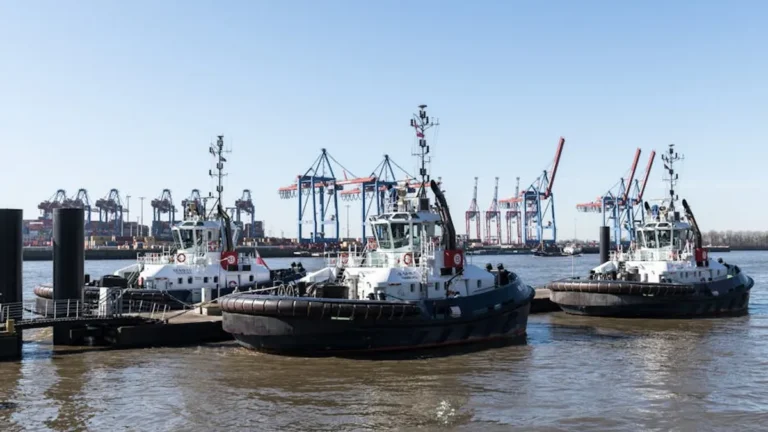
Best Practices for Managing container shipping
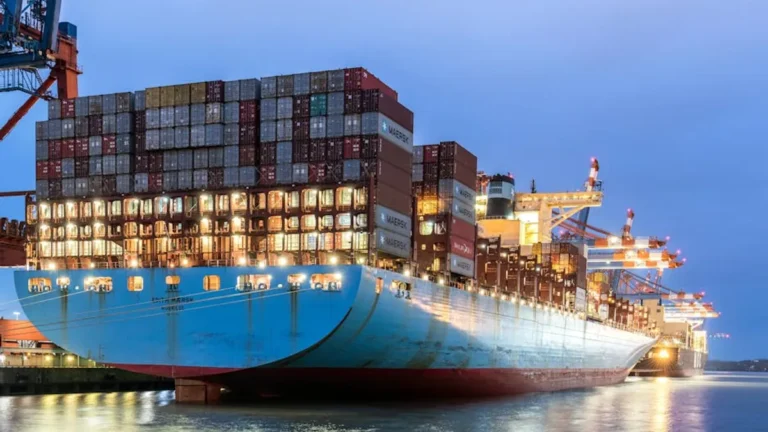
Discover essential strategies for optimizing container shipping operations, from route planning and load consolidation to risk management and digitalization.
Anneke is a trade journalist who has spent the past twelve years covering ocean freight, port operations and the chartering market from Rotterdam. She started on the desk at a Dutch logistics weekly, did a stint covering bunker markets and IMO regulation, and now writes the kind of straight-talking shipping copy that chartering managers and port officials actually read on a Monday morning. The reporting here is sourced from shipping lines, terminal operators, ship managers, broker desks and the regulators who set the rules everyone else has to live with. No press-release journalism, no rankings of the world's most reliable carriers, no breathless coverage of the next mega-vessel order. Just the trade-press work that the industry has always relied on and that a smaller number of outlets continue to do properly.
Page 23 of 28 334 articles total
Discover essential strategies for optimizing container shipping operations, from route planning and load consolidation to risk management and digitalization.
Learn actionable strategies to reduce import duties, from accurate HS classification and optimizing valuation methods to leveraging free trade agreements and.
This practical guide defines warehouse logistics, detailing its core components and strategies for logistics managers to optimize operations, reduce costs, and.
Mastering Incoterms is crucial for efficient global trade, ensuring clarity in responsibilities, costs, and risks.
Last-mile delivery is the final, most complex, and often most expensive leg of the supply chain, directly impacting customer satisfaction and profitability…
The final leg of the supply chain, known as last-mile delivery, presents a complex challenge for businesses across sectors.
Supply chain teams must avoid common maritime cybersecurity mistakes like weak training, poor OT security, and inadequate third-party vetting to protect.
Understand key import duty trends for the year, including geopolitical shifts, green tariffs, digital trade taxes, and supply chain resilience measures.
The future of maritime logistics is being shaped by digital transformation, sustainability demands, and evolving geopolitical landscapes.
Understand the critical shipping industry forecast trends for 2024, including geopolitical shifts, tech integration, sustainability mandates, and economic.
Port strikes create significant global trade disruptions, leading to increased shipping costs, supply chain delays, and production losses for businesses.
Shippers must understand maritime safety rules like SOLAS, MARPOL, and IMDG to prevent cargo damage, avoid fines, and ensure supply chain continuity.