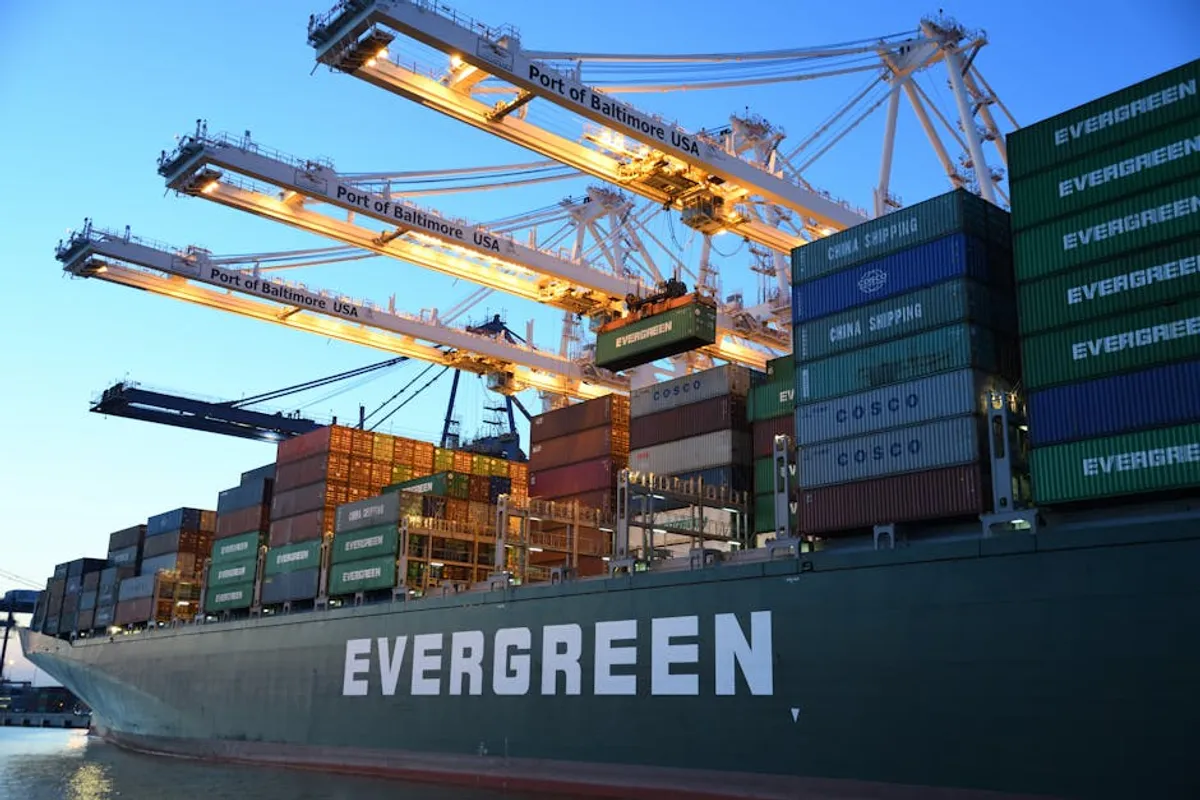
Maritime companies operate under increasing scrutiny to reduce their environmental impact. This pressure stems from evolving international regulations, investor demands for sustainable practices, and shipper preferences for greener logistics. For any enterprise involved in global shipping, understanding and implementing effective emission reduction strategies is no longer optional; it is a critical component of risk management, operational cost control, and long-term market competitiveness. The following outlines specific, actionable methods maritime firms employ to significantly cut their carbon footprint and other pollutants.
Optimizing Vessel Operations for Efficiency
One of the most immediate and cost-effective avenues for emission reduction lies in refining how existing vessels are operated. These strategies often require less capital investment than new technologies or fuel conversions, yielding quicker returns and demonstrating a commitment to sustainability.
Route Optimization and Weather Routing
Sophisticated software platforms analyze real-time weather data, ocean currents, and port congestion to calculate the most fuel-efficient routes. By avoiding adverse conditions and minimizing transit distances, vessels consume less fuel.
Benefit: Direct fuel savings, reduced transit times, and lower emissions without hardware modifications.
Slow Steaming Strategies
Reducing a vessel's speed below its maximum design speed significantly decreases fuel consumption. The relationship between speed and fuel consumption is often cubic, meaning a small reduction in speed can lead to a disproportionately larger reduction in fuel use.
Consideration: Requires careful planning to maintain delivery schedules, potentially impacting fleet utilization.
Hull and Propeller Maintenance
Fouling on a ship's hull from marine organisms increases drag, forcing engines to work harder and consume more fuel. Regular cleaning and application of advanced anti-fouling coatings maintain a smooth hull surface. Similarly, propeller polishing removes surface roughness, improving propulsion efficiency.
Impact: Reduces fuel consumption by 5-10% or more, depending on the severity of fouling and coating effectiveness.
Transitioning to Low-Carbon and Zero-Emission Fuels
The long-term trajectory for maritime emissions reduction involves a shift away from traditional heavy fuel oil (HFO) to alternative energy sources. This represents a significant capital expenditure but is essential for meeting future regulatory targets and achieving true decarbonization.
Liquefied Natural Gas (LNG) and Biofuels
LNG offers a substantial reduction in sulfur oxides (SOx), nitrogen oxides (NOx), and particulate matter compared to HFO, alongside a 15-20% reduction in CO2 emissions. Biofuels, derived from sustainable biomass, can be a 'drop-in' solution for existing engines, offering significant CO2 reductions over their lifecycle.
Challenge: LNG requires specialized bunkering infrastructure and carries methane slip concerns. Biofuel availability and sustainability certification remain key hurdles.
Methanol and Ammonia
These are emerging as promising future marine fuels. Methanol is liquid at ambient temperatures, simplifying storage and handling, and can be produced from renewable sources (e-methanol, bio-methanol). Ammonia offers a zero-carbon option when produced renewably, though its toxicity and NOx emissions during combustion require advanced engine and safety systems.
Development Status: Engines capable of running on methanol are already in operation, with ammonia engines under advanced development.
Hydrogen and Electric Propulsion
Hydrogen, particularly green hydrogen produced via renewable energy, offers a completely zero-emission solution at the point of use. Electric propulsion, powered by batteries or fuel cells, is primarily viable for short-sea shipping, ferries, and port operations due to current battery energy density limitations.
Application: Best suited for specific routes or port-based vessels due to infrastructure and storage challenges for hydrogen, and range limitations for electric.
Pro Tip: When evaluating alternative fuels, consider the total lifecycle emissions, not just tank-to-wake. This includes emissions from fuel production, transport, and storage, which can significantly alter the true environmental benefit of a chosen fuel.
Investing in Advanced Vessel Technologies
Beyond fuel, innovation in vessel design and onboard systems contributes significantly to efficiency gains and emission reductions.
- Wind-Assisted Propulsion (WAP): Technologies like rotor sails, wing sails, and kites harness wind energy to supplement engine power, reducing fuel consumption. These systems can provide 5-20% fuel savings depending on vessel type, route, and wind conditions.
- Carbon Capture Systems: Onboard carbon capture technologies aim to trap CO2 directly from exhaust gases. While still largely in pilot phases for maritime applications, these systems could enable continued use of fossil fuels while meeting emission targets, pending viable storage or utilization solutions for the captured CO2.
- Shore Power Connectivity (Cold Ironing): When vessels are docked, they can shut down their auxiliary engines and connect to the port's electrical grid. This eliminates emissions, noise, and air pollution in port areas.
Adoption Driver: Increasingly mandated by port authorities in environmentally sensitive regions.
Leveraging Digitalization and Data Analytics
Digital tools provide the insights necessary to optimize every aspect of a vessel's operation and maintenance, leading to sustained emission reductions.
Real-time Performance Monitoring
Sensors collect data on engine performance, fuel consumption, speed, trim, and other operational parameters. This data is analyzed in real-time to identify inefficiencies and provide immediate feedback to the crew for adjustments.
Outcome: Enables proactive decision-making to maintain optimal operational efficiency.
Predictive Maintenance
Instead of fixed maintenance schedules, predictive maintenance uses data analytics to anticipate equipment failures. This reduces downtime, optimizes parts replacement, and ensures engines and other systems operate at peak efficiency, preventing performance degradation that could lead to higher emissions.
Advantage: Extends equipment lifespan and reduces unexpected repairs.
Supply Chain Integration
Integrating vessel operational data with broader supply chain logistics allows for better coordination of port calls, cargo loading, and delivery schedules. This minimizes waiting times at anchor or in port, reducing idle emissions and improving overall supply chain efficiency.
Scope: Moves beyond individual vessel optimization to systemic efficiency gains.
Implementing Integrated Emission Reduction Strategies
Achieving substantial and sustainable emission reductions in the maritime sector requires a multi-faceted approach. No single technology or operational change will solve the challenge entirely. Companies that integrate operational efficiencies with strategic investments in alternative fuels and advanced technologies will position themselves as leaders in a rapidly evolving industry. This involves not only technological upgrades but also a cultural shift towards continuous optimization and environmental stewardship. Proactive engagement with regulatory bodies and participation in industry-wide initiatives also play a crucial role in shaping a greener future for global shipping.
Frequently Asked Questions
What are the primary drivers for maritime companies to cut emissions?
The main drivers include stringent international and national environmental regulations, increasing pressure from investors and financial institutions for ESG (Environmental, Social, and Governance) compliance, and growing demand from cargo owners for sustainable supply chain solutions.
What is the most cost-effective way for a maritime company to start reducing emissions?
Operational efficiencies, such as slow steaming, route optimization, and regular hull and propeller maintenance, typically offer the quickest returns on investment and the lowest upfront costs, making them excellent starting points for emission reduction efforts.
How do alternative fuels impact existing vessel infrastructure?
Transitioning to alternative fuels like LNG, methanol, or ammonia often requires significant modifications to existing vessels, including new engine designs, fuel storage tanks, and bunkering systems. This necessitates substantial capital investment and careful planning for fleet renewal or retrofitting.
What role does digitalization play in emission reduction?
Digitalization, through real-time performance monitoring, predictive maintenance, and data analytics, provides critical insights into vessel operations. This allows companies to identify inefficiencies, optimize fuel consumption, and make data-driven decisions that lead to sustained emission reductions across their fleet.