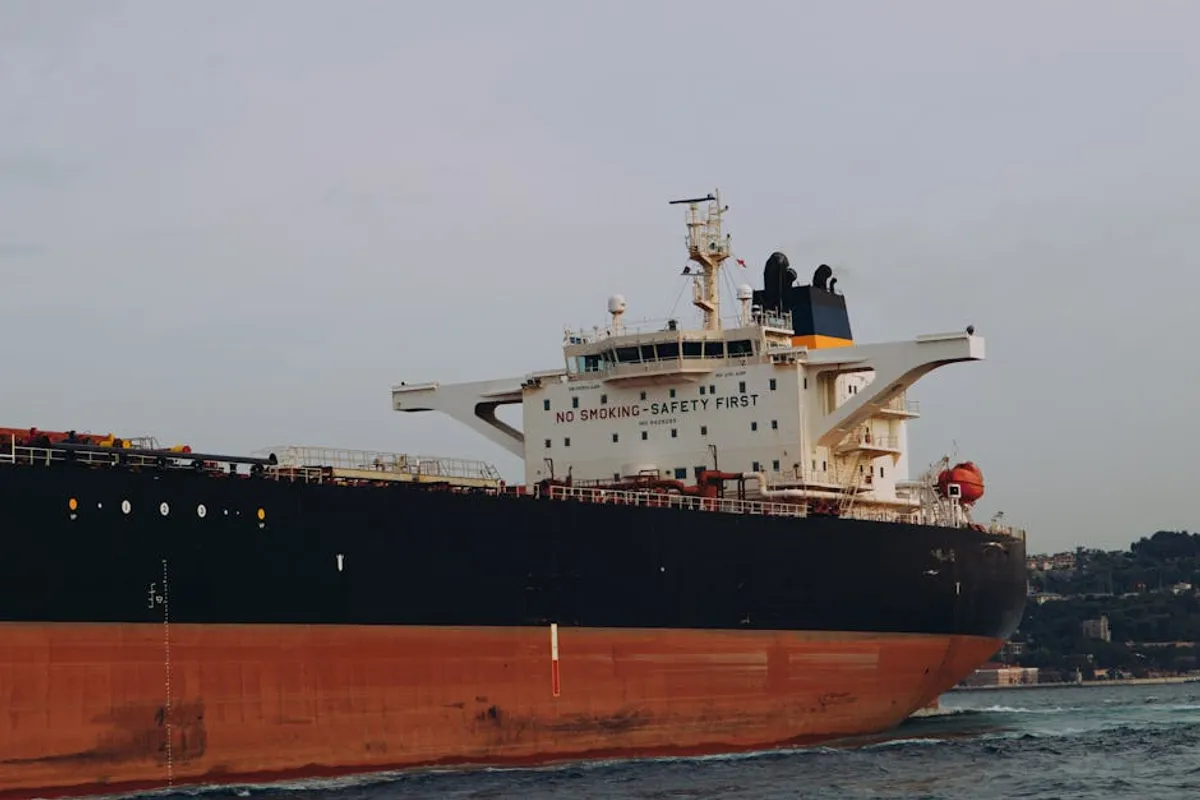
Understanding bulk carrier shipping is fundamental for any professional navigating global trade, logistics, or commodity markets. These vessels are the backbone of raw material transport, directly impacting supply chains, manufacturing costs, and ultimately, consumer prices. For SEOs, marketers, and site owners, grasping the nuances of this sector provides critical context for market analysis, keyword research related to industrial goods, and identifying commercial opportunities within a complex, interconnected global economy. This explanation cuts through the technical jargon to provide a clear, commercially relevant overview of bulk carrier operations, market dynamics, and their broader economic implications.
The Core Function of Bulk Carriers
Bulk carriers are purpose-built merchant ships designed to transport unpackaged dry bulk commodities, such as grains, ores, coal, cement, and fertilizers, in large quantities. Their design prioritizes maximum cargo volume and efficient loading/unloading, distinguishing them sharply from container ships that carry packaged goods in standardized containers. The absence of packaging means bulk carriers often feature large, open holds and, in many cases, onboard cranes or conveyor systems for self-sufficiency in ports lacking advanced infrastructure.
Key Design and Operational Characteristics
- Large, unobstructed cargo holds: Optimized for volume and ease of loading/unloading bulk materials.
- Reinforced hull structures: To withstand the weight and shifting of heavy, dense cargoes like iron ore.
- Hatch covers: Designed for rapid opening and closing, ensuring cargo protection from weather and sea.
- Cargo segregation: Some vessels have multiple holds allowing for different types of bulk cargo to be transported simultaneously.
- Self-unloading capabilities: Many smaller and medium-sized bulkers are equipped with cranes or conveyor systems, reducing port turnaround times and dependency on shore-side equipment.
Categorizing Bulk Carrier Fleets
The bulk carrier fleet is segmented by size, which dictates their cargo capacity, operational flexibility, and the specific trade routes they can serve. This categorization is crucial for understanding market segmentation and freight rate dynamics.
Common Bulk Carrier Size Classes
Handysize (10,000-39,999 DWT): These smaller vessels are highly versatile, capable of accessing a wider range of ports with draft restrictions. They often possess their own cargo gear, making them ideal for tramp shipping and serving less developed ports.
Best for: Smaller parcel sizes, diverse port calls, niche routes.
Supramax/Ultramax (50,000-65,000 DWT): Representing a significant portion of the global dry bulk fleet, these medium-sized vessels offer increased cargo capacity and generally come equipped with cranes, enhancing their operational flexibility. They balance capacity with port accessibility.
Best for: Efficient transport of larger volumes to a broader range of ports.
Panamax (60,000-80,000 DWT): Named for their maximum dimensions allowing passage through the original Panama Canal locks, these carriers are a workhorse for coal and grain trades. Their design is a direct response to canal transit limitations.
Best for: Major commodity routes through specific canal chokepoints.
Capesize (100,000-200,000+ DWT): These are among the largest bulk carriers, too wide and deep for the Panama Canal. They typically transport vast quantities of iron ore and coal on long-haul routes, primarily from Australia and Brazil to Asia and Europe, requiring passage around the Cape of Good Hope or Cape Horn.
Best for: High-volume, long-distance transport of primary industrial raw materials.
Pro Tip: The Baltic Dry Index (BDI) is a key barometer for the health of the global economy, as it reflects the cost of shipping raw materials. A rising BDI often indicates increasing demand for industrial inputs and higher economic activity, providing early signals for market trends relevant to diverse industries.
Commercial Operations and Market Dynamics
The commercial side of bulk shipping involves complex chartering agreements and a highly volatile freight market. Understanding these elements is essential for businesses relying on or investing in bulk transport.
Chartering Mechanisms
Voyage Charter: The shipowner agrees to transport a specific cargo between two ports for a fixed freight rate per ton or a lump sum. The owner pays all operating costs.
Best for: One-off shipments, clear origin-destination needs.
Time Charter: The vessel is hired for a specific period, with the charterer paying a daily rate (hire) and covering variable operating costs like fuel and port charges. The owner remains responsible for crew and maintenance.
Best for: Regular shipping needs, operational control over the vessel's schedule.
Bareboat Charter: The charterer assumes full operational and financial responsibility for the vessel, including crewing, maintenance, and insurance, essentially acting as the owner for the charter period.
Best for: Long-term control, potential for ownership transition.
Factors Influencing Freight Rates
Bulk freight rates are notoriously volatile, driven by a dynamic interplay of supply and demand. Key influencing factors include:
- Global economic growth: Directly impacts demand for raw materials.
- Commodity prices: Higher prices can stimulate production and shipping demand.
- Fleet supply: New vessel deliveries or scrapping rates directly affect available capacity.
- Geopolitical events: Trade disputes, sanctions, or conflicts can disrupt routes and demand.
- Weather conditions: Severe weather can delay shipments, reducing available capacity.
- Fuel costs: A significant operational expense, directly passed on to charterers in time charters or factored into voyage rates.
Navigating the Bulk Shipping Sector
For businesses and professionals monitoring global trade, the bulk carrier sector offers a vital lens into industrial production and economic health. Tracking vessel movements, understanding chartering trends, and analyzing freight rate indices provide actionable intelligence for supply chain optimization, risk management, and investment decisions. The ongoing evolution towards decarbonization and digital integration also presents new commercial opportunities and regulatory challenges that demand continuous monitoring.
Frequently Asked Questions
What types of goods do bulk carriers transport?
Bulk carriers primarily transport unpackaged dry bulk commodities such as iron ore, coal, grain (wheat, corn, soybeans), bauxite, cement, fertilizers, and aggregates.
How are bulk carrier freight rates determined?
Freight rates are determined by the balance of vessel supply and cargo demand, influenced by global economic activity, commodity prices, fleet size, fuel costs, and geopolitical factors. They are often negotiated through brokers based on various chartering agreements.
What is the difference between a dry bulk carrier and a wet bulk carrier?
A dry bulk carrier transports solid, unpackaged commodities like grains and ores. A wet bulk carrier, commonly known as a tanker, is designed to transport liquid bulk cargoes such as crude oil, refined petroleum products, chemicals, or liquefied natural gas (LNG).
Why is the Baltic Dry Index (BDI) important?
The BDI is a composite index of the cost of shipping dry bulk goods on various routes. It is considered a leading economic indicator because it reflects the demand for raw materials, providing insight into global industrial production and economic growth expectations.