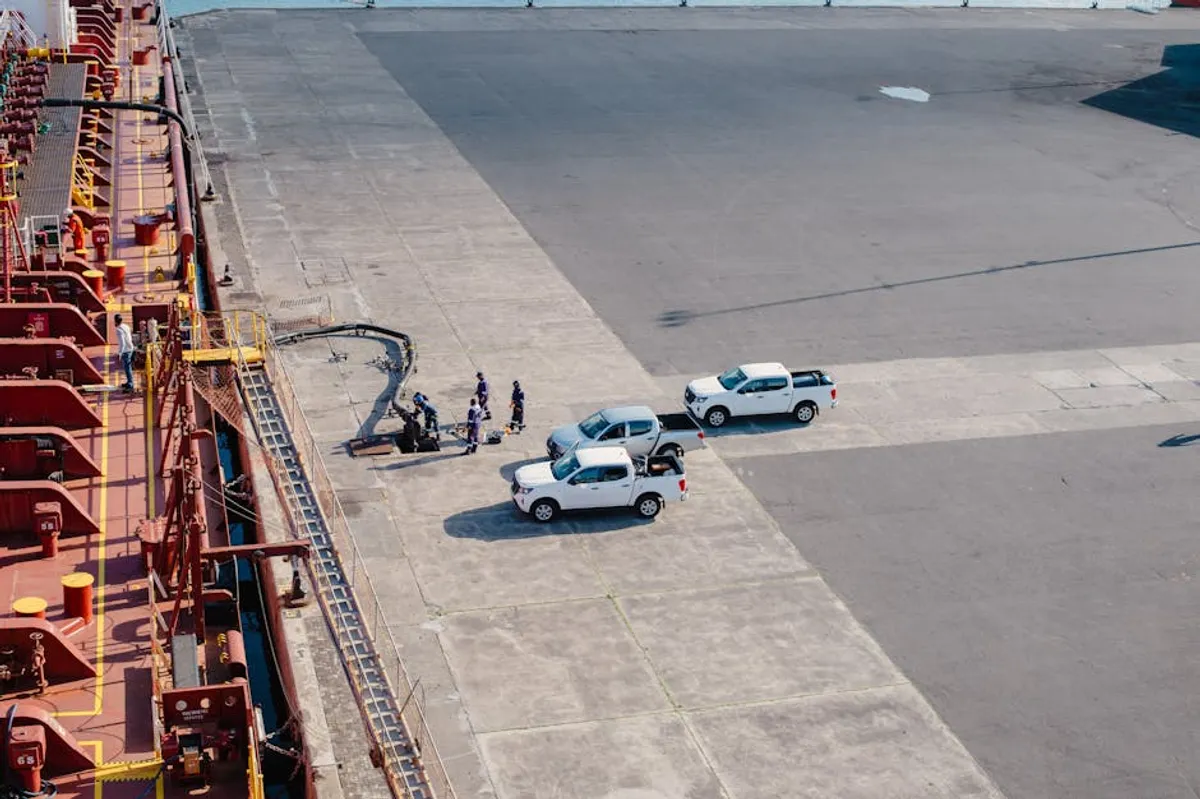
Shipping vehicles internationally requires understanding the available transport methods and their specific operational frameworks. Roll-on/Roll-off (RoRo) shipping stands as a fundamental option for moving cars, trucks, buses, and heavy equipment across oceans. This method prioritizes efficiency and cost-effectiveness for self-propelled cargo. Deciding if RoRo is the right fit for your vehicle transport needs involves evaluating its process, commercial advantages, and inherent limitations against your specific requirements for speed, budget, and cargo type. This guide outlines how RoRo operates from booking to delivery, providing the context necessary to make an informed choice.
Understanding RoRo Shipping
RoRo shipping refers to vessels designed to carry wheeled cargo, such as automobiles, trailers, and rail cars, which are driven on and off the ship on their own wheels. Unlike container shipping, where vehicles are loaded into standard containers, RoRo vessels feature multiple decks with ramps allowing for direct loading and unloading. This specialized design streamlines port operations and reduces handling costs, making it a distinct solution for moving vehicles globally.
The Mechanics of RoRo Vehicle Transport
The RoRo process is structured to facilitate the efficient movement of vehicles from origin to destination port. It involves several distinct phases, each with specific requirements for shippers.
Booking and Preparation
Initiating a RoRo shipment begins with booking space on a vessel sailing a specific route. Shippers must provide accurate vehicle details, including make, model, year, dimensions, and weight, to ensure proper allocation of deck space. Ahead of the shipping date, vehicles must undergo specific preparation: they must be in good running condition, have no more than a quarter tank of fuel (for safety regulations), and be completely empty of personal belongings. Any items left inside the vehicle will typically lead to refusal at the port or removal and disposal by port authorities, as RoRo insurance policies do not cover contents.
Port Logistics and Loading
Upon arrival at the departure port, the vehicle is inspected and assigned a unique tracking number. Port staff, often referred to as stevedores, drive the vehicle directly onto the ship's designated deck. Specialized lashing equipment secures the vehicle to the deck to prevent movement during transit. The multi-deck configuration of RoRo vessels allows for efficient stowage of a high volume of vehicles, categorized by size and destination.
Ocean Transit
During transit, the vessel follows its scheduled route, and vehicles remain secured below deck, protected from external elements. Modern RoRo ships are equipped with advanced navigation and stability systems to ensure a smooth journey. Transit times vary significantly based on the origin, destination, and specific shipping lane, ranging from several days for short-sea routes to several weeks for intercontinental voyages.
Unloading and Collection
Upon arrival at the destination port, the process reverses. Port personnel drive the vehicles off the ship and move them to a designated holding area. Shippers or their authorized agents are typically notified of the vehicle's arrival and can arrange for customs clearance and collection. It is crucial to complete all necessary import documentation and pay any applicable duties or taxes promptly to avoid demurrage charges at the port.
Commercial Advantages of RoRo
RoRo shipping offers specific benefits that make it a preferred choice for many vehicle transport scenarios.
- Cost-Effectiveness: The streamlined loading and unloading process, coupled with the ability to transport a high volume of vehicles, generally results in lower per-unit shipping costs compared to containerization, especially for standard-sized cars.
- Simplicity: For standard vehicles in working condition, the process is straightforward. Vehicles are driven on and off, minimizing complex handling requirements and associated labor costs.
- Efficiency for Standard Vehicles: RoRo is purpose-built for vehicles. It accommodates a wide range of self-propelled units, from sedans to heavy construction machinery, making it highly efficient for these specific cargo types.
- Reduced Handling Damage: Because vehicles are driven directly onto the ship and secured, there is less risk of damage that can occur with crane lifts or complex stuffing and destuffing processes associated with containers.
Key Considerations and Limitations
While advantageous, RoRo shipping also presents certain limitations that shippers must weigh.
Pro Tip: Always confirm the exact fuel level requirements with your chosen carrier before dropping off your vehicle. While a quarter tank is common, some carriers may specify less. Adhering to this prevents delays and potential refusal at the port.
Cargo Restrictions
A primary limitation is the strict prohibition against shipping personal items inside the vehicle. The cargo decks are considered an extension of the vessel's hold, subject to international maritime security regulations. Any non-factory items, including spare parts, tools, or luggage, must be removed. This contrasts with container shipping, where personal effects can often be packed within the vehicle or alongside it in the container.
Schedule Rigidity
RoRo vessels operate on fixed schedules, meaning less flexibility for departure dates compared to the more frequent departures of container ships. While this provides predictability, it can be a disadvantage if immediate or highly customized shipping times are required.
Exposure to Elements (Minor)
Although vehicles are secured below deck, there is a perception of greater exposure compared to a sealed container. While modern RoRo vessels offer significant protection, direct exposure during the loading and unloading phases at port is inherent to the drive-on/drive-off method.
Making the Right Choice for Your Vehicle Shipment
RoRo is typically the most economical and efficient option for shipping operational, standard-sized vehicles, including sedans, SUVs, motorcycles, and light trucks. It is particularly well-suited for dealerships, manufacturers, and individuals relocating a single vehicle without accompanying personal effects. For oversized or non-running vehicles, or when shipping personal items alongside the vehicle, alternative methods like flat rack or container shipping may be more appropriate despite potentially higher costs.
Preparing for a Smooth RoRo Experience
To ensure a hassle-free RoRo shipment, focus on meticulous preparation:
- Confirm Documentation: Gather all required documents, including vehicle title, registration, bill of sale, and any necessary customs forms. Verify specific requirements with your carrier and destination country.
- Clean and Inspect: Thoroughly clean the vehicle, inside and out. Document its condition with photographs, noting any existing damage. This serves as a record for insurance purposes.
- Remove Personal Items: Clear out all non-permanent items. This includes spare tires, floor mats, and any aftermarket accessories not bolted down.
- Disable Alarms: Ensure any alarm systems are deactivated or provide clear instructions for port staff to prevent accidental activation during transit.
- Key Management: Provide all necessary keys to the carrier, clearly labeled.
Navigating Vehicle Transport Options
RoRo shipping offers a reliable and cost-effective pathway for international vehicle transport, particularly for standard, operational units. Its operational efficiency and specialized design cater directly to the needs of automotive logistics. By understanding the process, adhering to preparation guidelines, and recognizing its commercial advantages and limitations, shippers can effectively leverage RoRo services to meet their global vehicle movement requirements.
Frequently Asked Questions
Q: Can I ship a non-running vehicle via RoRo?
A: Generally, RoRo requires vehicles to be in working, self-propelled condition. Some carriers may accommodate non-running vehicles if they can be safely towed or pushed onto the vessel, but this often incurs additional charges and requires prior arrangement.
Q: Is insurance included with RoRo shipping?
A: Basic carrier liability insurance is typically included, but it often provides limited coverage. Shippers are strongly advised to purchase additional marine insurance to protect against potential damage or loss during transit, as this offers more comprehensive coverage.
Q: How far in advance should I book RoRo shipping?
A: Booking 2-4 weeks in advance is recommended, especially during peak seasons or for popular routes. This allows sufficient time for documentation, vehicle preparation, and securing space on the desired vessel.
Q: What happens if my vehicle has more than a quarter tank of fuel?
A: Vehicles exceeding the allowed fuel level may be refused at the port or may incur charges for fuel drainage. This regulation is a safety measure to minimize fire risk during transit.