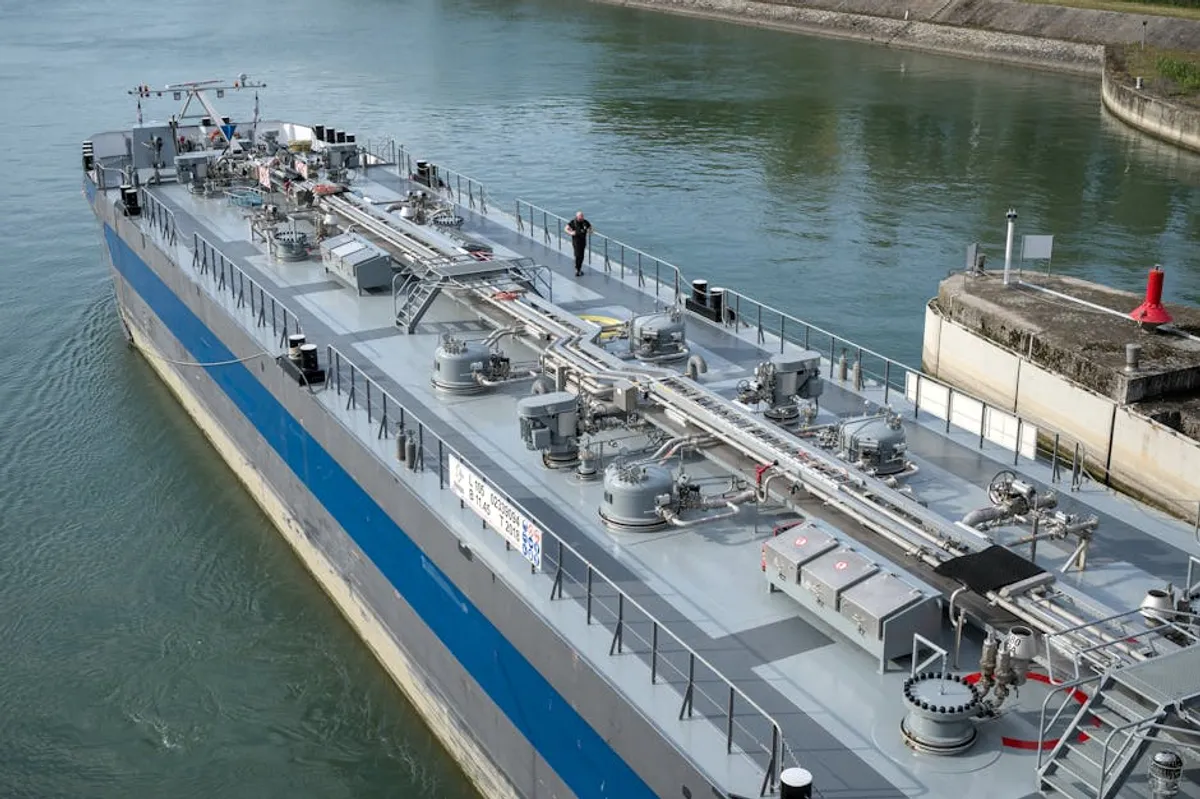
Tanker shipping forms the backbone of global energy and chemical supply chains, transporting vast quantities of liquid bulk commodities across oceans. For businesses and investors tracking global trade, understanding this sector is crucial, as its dynamics directly influence commodity prices, production costs, and geopolitical stability. This primer explains the fundamental components of tanker shipping, from vessel types and cargo specifics to operational complexities and market drivers, providing a foundational perspective for those new to the maritime industry.
Understanding Tanker Vessel Types and Their Cargoes
The tanker fleet is highly specialized, with vessels designed to carry specific types of liquid bulk cargo. Each design addresses unique requirements for temperature, pressure, containment, and safety, impacting operational routes and commercial viability.
- Crude Oil Tankers (VLCCs, Suezmax, Aframax): These vessels transport unrefined crude oil from production sites to refineries. Very Large Crude Carriers (VLCCs) are the largest, capable of carrying over 2 million barrels, primarily operating on long-haul routes from the Middle East to Asia and Europe. Suezmax tankers can navigate the Suez Canal fully loaded, while Aframax vessels are versatile for shorter hauls and ports with draft restrictions. Their size dictates their operational flexibility and the economies of scale they offer for long-distance crude transport.
- Product Tankers (MR, LR1, LR2): These carry refined petroleum products such as gasoline, diesel, jet fuel, and naphtha. Medium Range (MR) tankers are common for regional distribution, while Long Range (LR1 and LR2) tankers handle longer voyages between refining hubs and consumption markets. Product tankers feature multiple segregated tanks, allowing them to carry different refined products simultaneously without contamination, which adds to their operational complexity and cleaning requirements.
- Chemical Tankers: Designed to transport a wide array of chemicals, these vessels feature specialized coatings (e.g., stainless steel, epoxy) in their tanks to prevent corrosion and cargo contamination. They often have sophisticated pumping and heating systems. The global chemical trade relies heavily on these ships, which adhere to stringent safety and environmental regulations due to the hazardous nature of their cargoes.
- Liquefied Natural Gas (LNG) Carriers: These highly specialized vessels transport natural gas cooled to approximately -162°C (-260°F), reducing its volume by about 600 times. LNG carriers require complex insulation and containment systems (e.g., membrane or spherical tanks) to maintain the cryogenic temperature. They are integral to global energy security, enabling gas-producing nations to supply demand centers worldwide.
- Liquefied Petroleum Gas (LPG) Carriers: Transporting propane and butane, LPG carriers operate under pressure or refrigeration to keep the gas in liquid form. While similar in principle to LNG carriers, their design and operational parameters are distinct due to different gas properties. LPG is used for heating, cooking, and as a petrochemical feedstock.
Key Operational and Market Dynamics
Beyond vessel types, several factors dictate the efficiency and profitability of tanker shipping, influencing global trade flows and commodity prices.
Chartering Mechanisms and Freight Rates
Tanker operations are primarily governed by charter agreements, which define the terms of vessel use and freight payment. The two main types are:
Spot Charter: A single voyage from one port to another with a specific cargo. Freight rates for spot charters are highly volatile, fluctuating daily based on immediate supply and demand for vessels in a particular region. These rates are a direct indicator of short-term market conditions.
Time Charter: The vessel is hired for a specified period (e.g., 1-5 years), and the charterer pays a daily rate for its use, covering operational costs like fuel and port fees. Time charters provide more predictable revenue for shipowners and stable transport costs for charterers, often preferred for long-term supply contracts.
Freight rates are influenced by global oil demand, refinery activity, fleet supply, port congestion, and geopolitical events. A spike in rates can significantly increase the cost of imported commodities, impacting consumer prices and industrial production.
Regulatory Framework and Environmental Compliance
The tanker industry operates under stringent international regulations, primarily driven by the International Maritime Organization (IMO). Key conventions include MARPOL (International Convention for the Prevention of Pollution from Ships), which addresses pollution prevention, and SOLAS (International Convention for the Safety of Life at Sea), focusing on vessel safety standards. These regulations dictate design, construction, equipment, and operational practices, ensuring environmental protection and safety at sea. Compliance requires significant investment in technology and operational protocols, affecting vessel operating costs and market competitiveness.
Pro Tip: When analyzing the tanker market, pay close attention to the order book (new vessel construction) and scrapping rates. A large order book without corresponding demand growth or increased scrapping can lead to an oversupply of vessels, depressing freight rates. Conversely, high scrapping rates and limited new builds can tighten capacity and push rates higher, directly impacting commodity transport costs.
Geopolitical Influence and Trade Routes
Major chokepoints like the Strait of Hormuz, Suez Canal, and Panama Canal are critical arteries for tanker traffic. Disruptions in these areas, whether due to political instability, piracy, or natural events, can force vessels to take longer, more expensive routes, increasing transit times and freight costs. Geopolitical tensions, sanctions, and trade agreements also directly impact cargo flows and tanker demand, making the sector highly sensitive to global political developments.
Commercial Implications for Decision-Makers
For businesses involved in global trade, energy, or chemicals, understanding tanker shipping is more than just logistics; it's about strategic planning and risk management. Fluctuations in freight rates can erode profit margins for commodity traders and manufacturers. Delays or disruptions can impact supply chain reliability and production schedules. Monitoring the tanker market provides critical insights into global economic health, energy demand, and potential supply chain vulnerabilities. It allows for more informed decisions regarding inventory management, hedging strategies, and long-term procurement planning.
Navigating the Tanker Shipping Landscape
The tanker shipping industry is a complex, capital-intensive sector that is indispensable to the global economy. Its interconnectedness with energy markets, environmental regulations, and geopolitical events means that its dynamics are constantly evolving. For beginners, grasping the specialized nature of its vessels, the mechanisms of chartering, and the critical role of regulation and global events provides a solid foundation for understanding its impact on international commerce and supply chains.
Frequently Asked Questions
What is deadweight tonnage (DWT)?
Deadweight tonnage measures a ship's total carrying capacity, including cargo, fuel, fresh water, ballast water, provisions, and crew. It represents the maximum weight a ship can safely carry when loaded to its deepest permissible draft, and is a key metric for classifying tanker sizes.
How do global oil prices affect tanker freight rates?
While not directly proportional, high oil prices often correlate with increased demand for oil, which can boost tanker demand and thus freight rates. Conversely, prolonged low oil prices can reduce production and demand, leading to an oversupply of tankers and lower rates. However, other factors like vessel availability and port congestion also play significant roles.
What is the difference between a crude tanker and a product tanker?
Crude tankers transport unrefined crude oil from extraction points to refineries. Product tankers carry refined petroleum products (like gasoline, diesel, jet fuel) from refineries to consumption markets. Product tankers typically have more sophisticated tank coatings and pumping systems to handle various refined products without contamination.
Why are LNG carriers so expensive to build?
LNG carriers are among the most technologically advanced and expensive ships due to the complex engineering required to transport liquefied natural gas at cryogenic temperatures. This includes specialized containment systems (e.g., membrane or spherical tanks), advanced insulation, and sophisticated reliquefaction plants to manage boil-off gas, all contributing to higher construction costs.