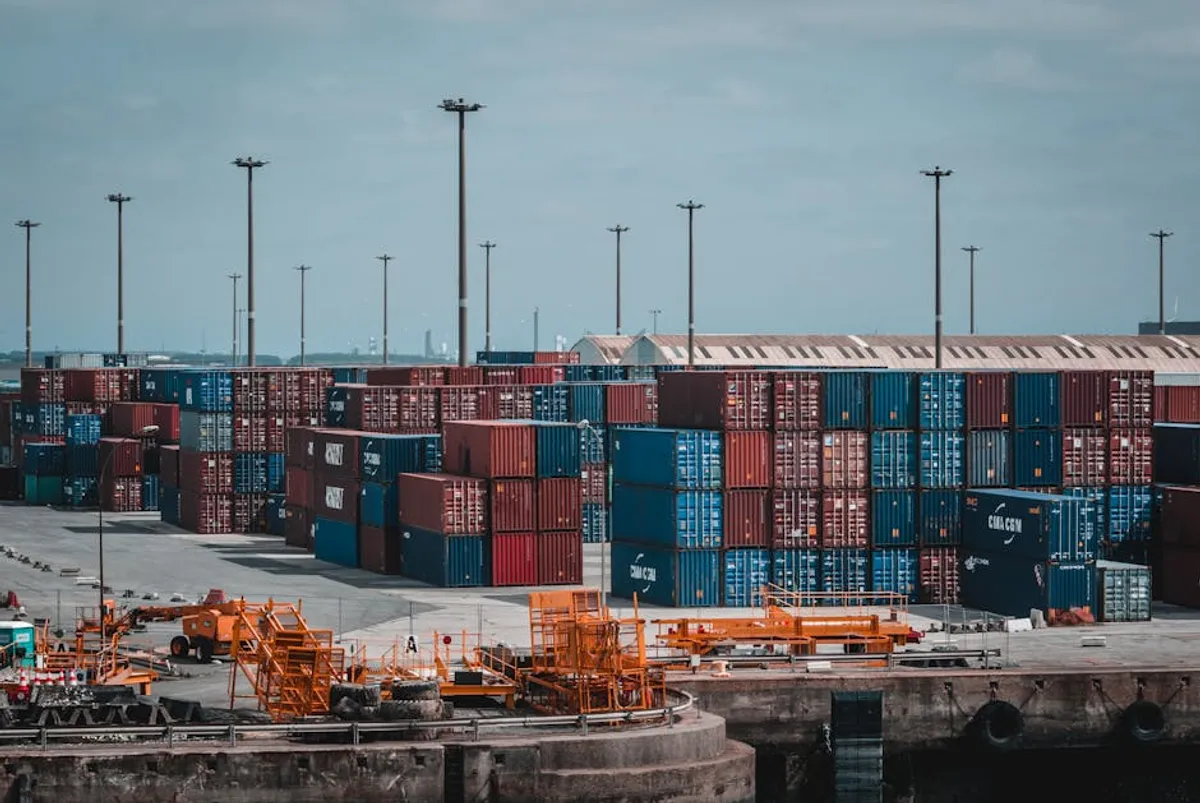
Optimizing the movement of goods from a warehouse to their departure port is a critical yet often complex segment of the global supply chain. This specific logistical phase directly impacts operational efficiency, cost control, and delivery timelines, making it a pivotal area for businesses seeking competitive advantage. Understanding the intricacies of warehouse-to-port logistics is not merely about moving boxes; it involves strategic planning, precise execution, and continuous adaptation to ensure products reach their international destinations without unnecessary delays or expenses.
Defining Warehouse to Port Logistics
Warehouse to port logistics encompasses all activities required to transport finished goods from their storage facility to the designated shipping port. This includes internal warehouse processes, local transportation, documentation, and compliance checks, culminating in the successful loading of cargo onto a vessel or aircraft. The objective is to facilitate a seamless transition, minimizing dwell times, preventing damage, and adhering to strict international shipping regulations. This process is critical to the future of maritime shipping and global trade efficiency.
Key Stages in the Supply Chain
This segment of the supply chain involves several distinct, interconnected stages:
- Order Fulfillment and Preparation: Receiving export orders, picking and packing goods according to international standards, and labeling for destination.
- Internal Movement and Staging: Transporting prepared goods from their storage location within the warehouse to a staging area designated for outbound shipments.
- Local Transportation: Moving cargo from the warehouse to the port via truck, rail, or barge. This requires careful route planning, carrier selection, and scheduling.
- Port Entry and Processing: Navigating port security, customs clearance, and terminal operations, including cargo inspection and verification.
- Loading and Departure: Transferring cargo onto the vessel or aircraft, ensuring proper stowage, and obtaining final departure confirmations.
Primary Objectives
The core aims of effective warehouse-to-port logistics include:
Cost Reduction: Minimizing expenses related to labor, transportation, storage, and demurrage fees through optimized processes and strategic partnerships.
Speed and Efficiency: Accelerating transit times from warehouse departure to port loading, reducing lead times for international deliveries.
Compliance Assurance: Ensuring all shipments meet national and international customs, safety, and trade regulations to avoid penalties or delays.
Damage Prevention: Implementing robust handling and packaging protocols to protect goods throughout the journey to the port.
Visibility and Control: Maintaining real-time tracking and comprehensive oversight of cargo movement and status.
Critical Operational Elements
Successful warehouse-to-port operations rely on meticulous attention to several operational components.
Inventory Management and Storage
Efficient inventory practices within the warehouse directly impact outbound logistics. This includes accurate stock counts, strategic placement of export-bound goods for easy access, and proper segregation to prevent mix-ups. Utilizing systems like FIFO (First-In, First-Out) for perishable or time-sensitive goods, or LIFO (Last-In, First-Out) for certain bulk items, can optimize flow. Effective space utilization, whether through vertical storage or optimized aisle layouts, also reduces handling time and costs.
Transportation Modes and Optimization
Selecting the appropriate mode of transport (e.g., full truckload, less-than-truckload, intermodal rail) from the warehouse to the port is crucial. Factors such as cargo volume, urgency, cost, and infrastructure availability dictate the choice. Route optimization software can identify the most efficient paths, accounting for traffic, road restrictions, and delivery windows. Partnering with reliable carriers and establishing clear service level agreements are fundamental for consistent performance.
Documentation and Compliance
This is arguably the most critical and complex element. Export documentation includes commercial invoices, packing lists, bills of lading, certificates of origin, and various permits or licenses specific to the goods and destination country. Errors or omissions in these documents can lead to significant delays, fines, or even seizure of goods at the port. Adherence to Incoterms (International Commercial Terms) is also vital, as they define responsibilities and costs between buyer and seller.
Pro Tip: Implement a multi-stage document verification process well before the cargo leaves the warehouse. Inaccurate or incomplete export documentation is the single largest cause of port delays and unexpected costs. Leverage digital platforms for document creation and sharing to reduce manual errors and accelerate approval processes.
Technology Integration
Modern logistics relies heavily on technology. Warehouse Management Systems (WMS) streamline internal operations, while Transportation Management Systems (TMS) optimize carrier selection, route planning, and freight tracking. Real-time visibility tools, often powered by GPS and IoT sensors, provide continuous updates on cargo location and condition. Data analytics can identify bottlenecks, predict potential issues, and inform strategic decisions for continuous improvement.
Challenges and Solutions
Navigating the warehouse-to-port segment presents several common challenges.
Overcoming Bottlenecks
Congestion at ports, especially during peak seasons or due to unforeseen events, can cause significant delays. Solutions include diversifying port options, scheduling deliveries during off-peak hours, and utilizing appointment systems for truck arrivals. Within the warehouse, optimizing picking and packing processes and implementing cross-docking strategies can reduce internal staging times.
Mitigating Risks
Risks range from cargo damage and theft to customs audits and geopolitical disruptions. Robust packaging, cargo insurance, and secure transportation practices address physical risks. For compliance risks, continuous training for staff on international trade regulations and employing customs brokers with deep expertise are essential. Developing contingency plans for alternative routes or carriers provides resilience against unforeseen disruptions.
Optimizing Your Logistics Flow
Strategic approaches can significantly enhance the efficiency and reliability of your warehouse-to-port operations.
Best for: Reducing lead times and improving reliability.
- Consolidate Shipments: Combine smaller orders into larger, full-container-load (FCL) shipments when feasible to reduce per-unit shipping costs and administrative overhead.
- Pre-Clearance Processes: Work with customs brokers to initiate customs clearance procedures before cargo even arrives at the port, minimizing dwell time.
- Strategic Warehouse Placement: Consider locating warehouses closer to key ports or major transportation hubs to reduce drayage costs and transit times.
- Leverage Freight Forwarders: Partner with experienced freight forwarders who possess extensive networks and expertise in international shipping regulations and port operations.
- Continuous Performance Monitoring: Regularly analyze key performance indicators (KPIs) such as on-time delivery rates, cost per shipment, and documentation accuracy to identify areas for improvement.
Strategic Implications for Businesses
Efficient warehouse-to-port logistics directly translates into tangible business benefits. It enables faster market entry for products, reduces overall supply chain costs, and enhances customer satisfaction through reliable delivery schedules. Furthermore, a well-managed logistics pipeline builds supply chain resilience, allowing businesses to better withstand disruptions and maintain operational continuity. This capability is a significant differentiator in competitive global markets, fostering trust and supporting sustained growth.
Streamlining Your Warehouse to Port Operations
Achieving excellence in warehouse-to-port logistics requires a holistic approach that integrates technology, process optimization, and strong partnerships. By focusing on meticulous documentation, strategic transportation planning, and continuous performance review, businesses can transform this complex segment from a potential bottleneck into a powerful enabler of global trade. Proactive management and a commitment to efficiency will ensure products move smoothly from your facility to their international destinations, on time and within budget.
Frequently Asked Questions
What is the primary goal of warehouse-to-port logistics?
The primary goal is to efficiently and cost-effectively move goods from a storage facility to a shipping port, ensuring timely delivery, compliance with regulations, and minimizing damage or delays.
How does technology improve this logistical phase?
Technology, such as WMS, TMS, and IoT tracking, enhances visibility, automates processes, optimizes routes, reduces manual errors in documentation, and provides data insights for continuous improvement.
What are common risks in warehouse-to-port logistics?
Common risks include port congestion, customs delays due to incorrect documentation, cargo damage or loss during transit, and unexpected cost increases from demurrage or unforeseen operational issues.
Why is accurate documentation so important for port operations?
Accurate documentation is crucial because it ensures compliance with international trade laws, facilitates smooth customs clearance, prevents fines or cargo seizures, and verifies the legitimacy and details of the shipment to all stakeholders.