Businesses navigating global supply chains consistently face a core strategic decision: whether to move goods by air or by sea. This choice is not merely about transportation; it dictates inventory levels, lead times, customer satisfaction, and ultimately, profitability. The optimal mode of transport depends on a precise evaluation of product characteristics, market demands, and financial priorities. Understanding the fundamental differences between air and ocean freight allows for informed decisions that align with specific operational goals. This strategic choice directly impacts the efficiency and robustness of reliable supply chains.
Transit Time and Urgency
The most immediate differentiator between air and ocean freight is speed. Air freight offers significantly shorter transit times, typically ranging from 1 to 5 days for international shipments. This speed is critical for time-sensitive cargo, such as perishable goods, fashion items with short selling windows, or urgent components for manufacturing lines where delays can halt production.
Ocean freight, by contrast, operates on a much longer timeline. Depending on the origin and destination, transit can span from 20 to 45 days, or even longer when accounting for customs clearance, port congestion, and inland transportation. While slower, this extended transit time allows for greater planning flexibility and is often factored into the supply chain for goods with stable demand and longer shelf lives.
Cost Implications
Cost is a primary driver in freight decisions. Generally, ocean freight is substantially more economical per unit than air freight, especially for large volumes and heavy goods. This cost advantage stems from the massive carrying capacity of container ships and lower fuel consumption per ton-mile compared to aircraft. Ocean freight rates are influenced by factors such as container size (e.g., 20-foot or 40-foot equivalent units, TEU), port-to-port distance, and seasonality.
Air freight, due to its speed and premium service, commands higher rates. These rates are typically calculated based on chargeable weight, which is the greater of the actual weight or volumetric weight. Additional costs for air freight can include fuel surcharges, security fees, and specialized handling for certain cargo types. Businesses opt for air freight when the cost of delay (e.g., lost sales, production downtime, contract penalties) outweighs the higher transportation expense.
Capacity and Volume Constraints
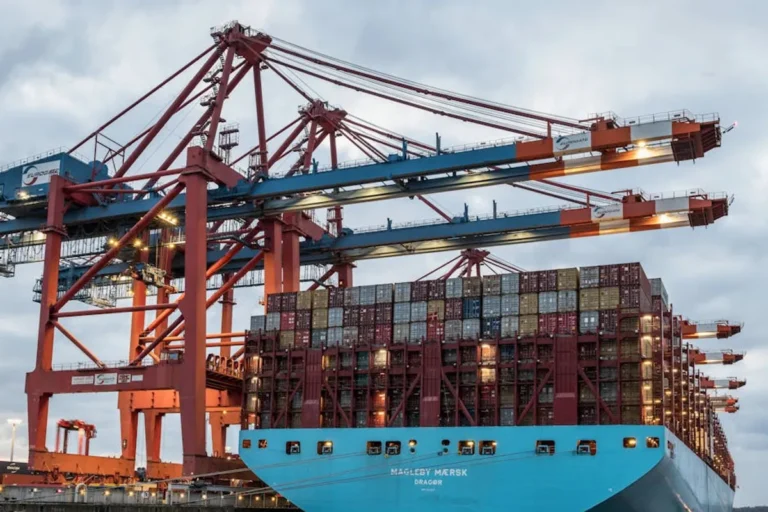
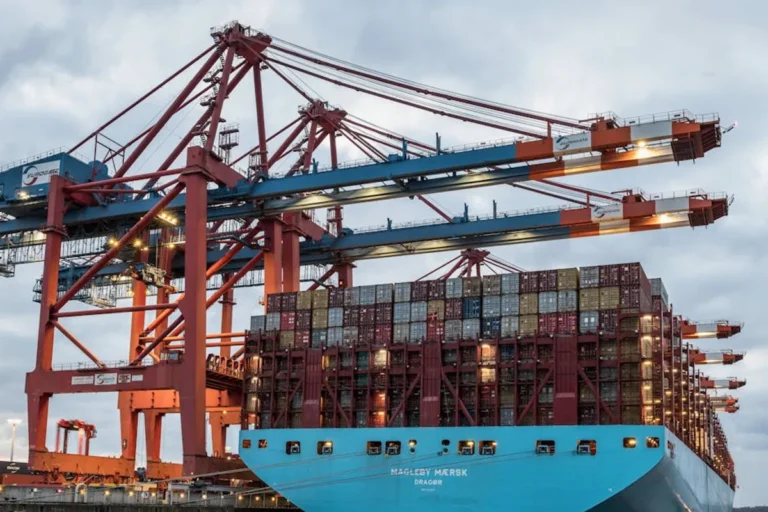
Ocean vessels offer unparalleled capacity. A single large container ship can carry tens of thousands of TEUs, making it ideal for bulk commodities, heavy machinery, and high-volume consumer goods. This allows businesses to ship large quantities of product in a single consignment, benefiting from economies of scale.
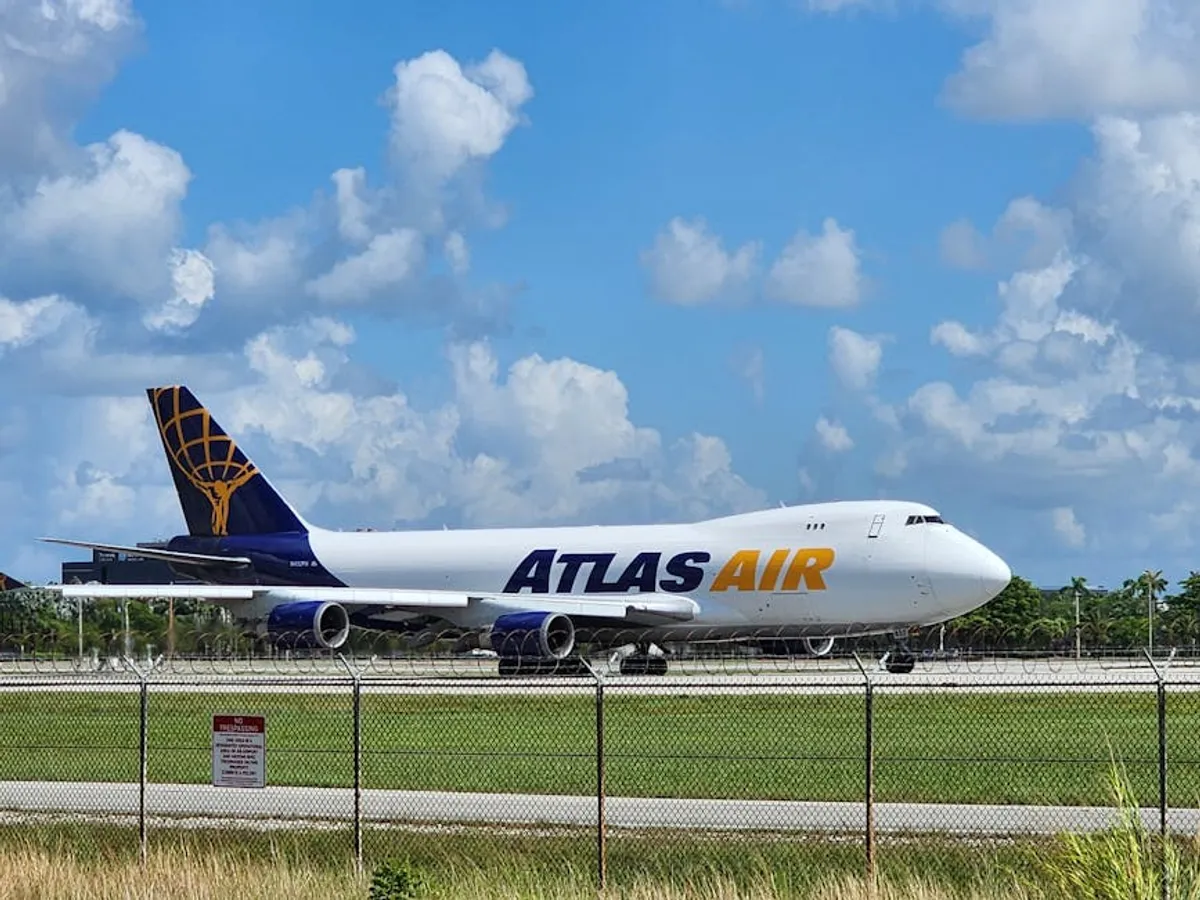
Air cargo capacity is inherently more limited. Aircraft cargo holds are constrained by both weight and dimensions. While dedicated cargo planes exist, much air freight travels in the belly holds of passenger aircraft. This limitation means air freight is better suited for smaller, lighter, or higher-value shipments. Businesses must consider the physical dimensions and weight of their cargo when evaluating air freight as an option.
Environmental Impact
Sustainability is an increasing concern for global businesses and consumers. From an environmental perspective, ocean freight generally has a lower carbon footprint per ton-mile compared to air freight. Shipping goods by sea is often considered a more environmentally friendly option for goods that do not require urgent delivery, contributing to corporate social responsibility goals.
Air freight, while efficient in terms of speed, has a significantly higher carbon emission rate per ton-mile. Companies prioritizing rapid delivery must weigh this environmental impact against their sustainability objectives. Efforts are ongoing in both sectors to develop more fuel-efficient technologies and alternative fuels to reduce emissions.
Reliability, Flexibility, and Risk
Air freight typically offers greater schedule reliability and flexibility. Flights are frequent, and tracking systems provide real-time updates. While weather can cause delays, air cargo generally experiences fewer disruptions than ocean freight. This predictability is valuable for just-in-time inventory strategies and responding to sudden market shifts.
Ocean freight can be more susceptible to delays due to port congestion, customs inspections, adverse weather conditions, and geopolitical events affecting shipping lanes. While containerization offers a good level of security against theft and damage, the longer transit times mean goods are exposed for extended periods. Careful planning, robust insurance, and diversified routes are essential for ocean shipments.
Pro Tip: When evaluating ocean freight, always account for potential demurrage and detention charges. Demurrage applies when containers remain at the port terminal beyond the allowed free time, while detention refers to charges incurred when containers are held outside the terminal longer than permitted. These fees can significantly increase total shipping costs if not managed proactively with efficient logistics and timely customs clearance.
Suitable Cargo Types
The nature of the goods being shipped is a critical factor in mode selection:
- Air Freight is best for:
- Perishable items (e.g., fresh produce, pharmaceuticals, flowers)
- High-value, low-volume goods (e.g., electronics, luxury items, jewelry)
- Time-sensitive components for manufacturing or urgent spare parts
- Samples, documents, and prototypes
- Products with short product lifecycles or high obsolescence risk
- Ocean Freight is best for:
- Bulk commodities (e.g., raw materials, grains, minerals)
- Heavy and oversized cargo (e.g., machinery, vehicles, construction materials)
- Low-value, high-volume goods where cost is the primary concern
- Non-perishable consumer goods with stable demand
- Hazardous materials that are restricted on aircraft
Strategic Shipping Decisions
The choice between air and ocean freight is rarely binary; it is a strategic decision that impacts the entire supply chain. Businesses often employ a hybrid approach, using air freight for urgent or high-value components and ocean freight for the bulk of their inventory. Factors such as inventory carrying costs, customer expectations for delivery speed, and the overall resilience of the supply chain should drive the decision-making process. A thorough analysis of each product's specific requirements and market dynamics will determine the most efficient and cost-effective transportation method.
Frequently Asked Questions
Which is generally cheaper, air freight or ocean freight?
Ocean freight is typically much cheaper per unit than air freight, especially for large volumes and heavy cargo, due to the massive carrying capacity of ships and lower operational costs per ton-mile.
Which transportation method is faster for international shipments?
Air freight is significantly faster, with international transit times usually ranging from 1 to 5 days. Ocean freight can take 20 to 45 days or more, depending on the route and potential delays.
When should a business prioritize air freight over ocean freight?
Businesses should prioritize air freight for time-sensitive goods, high-value items, perishable products, or when facing urgent deadlines where the cost of delay outweighs the higher shipping expense.
What are the environmental considerations for each freight type?
Ocean freight generally has a lower carbon footprint per ton-mile, making it a more environmentally friendly choice for non-urgent shipments. Air freight has a substantially higher carbon emission rate per ton-mile.