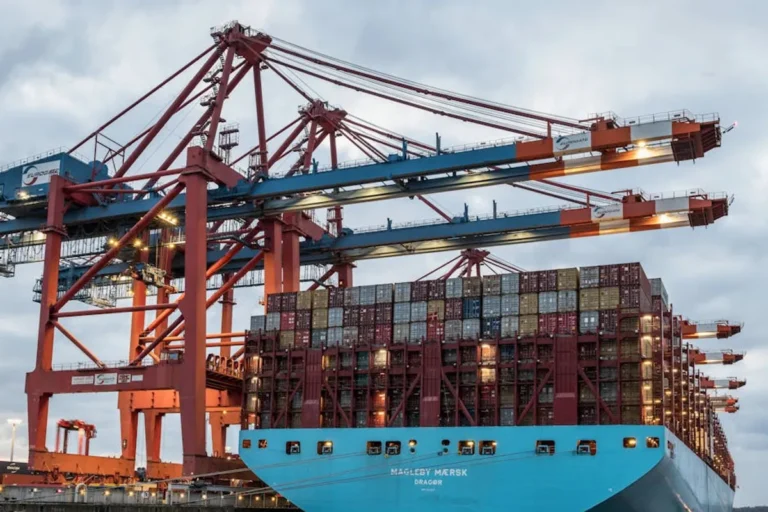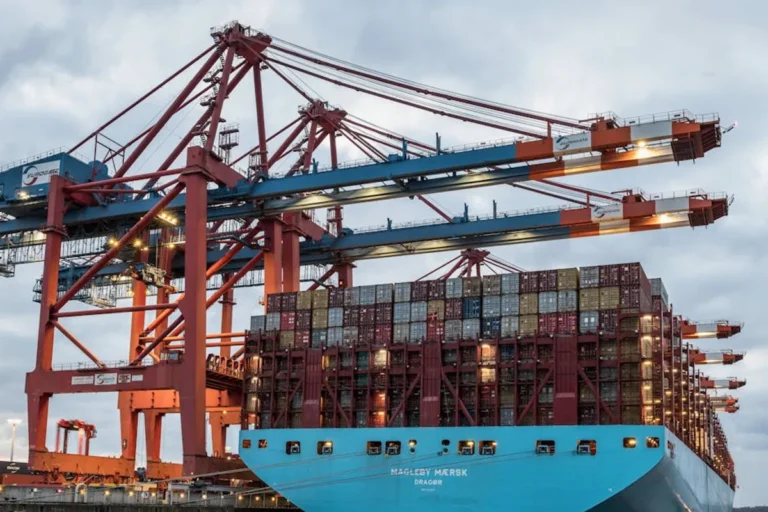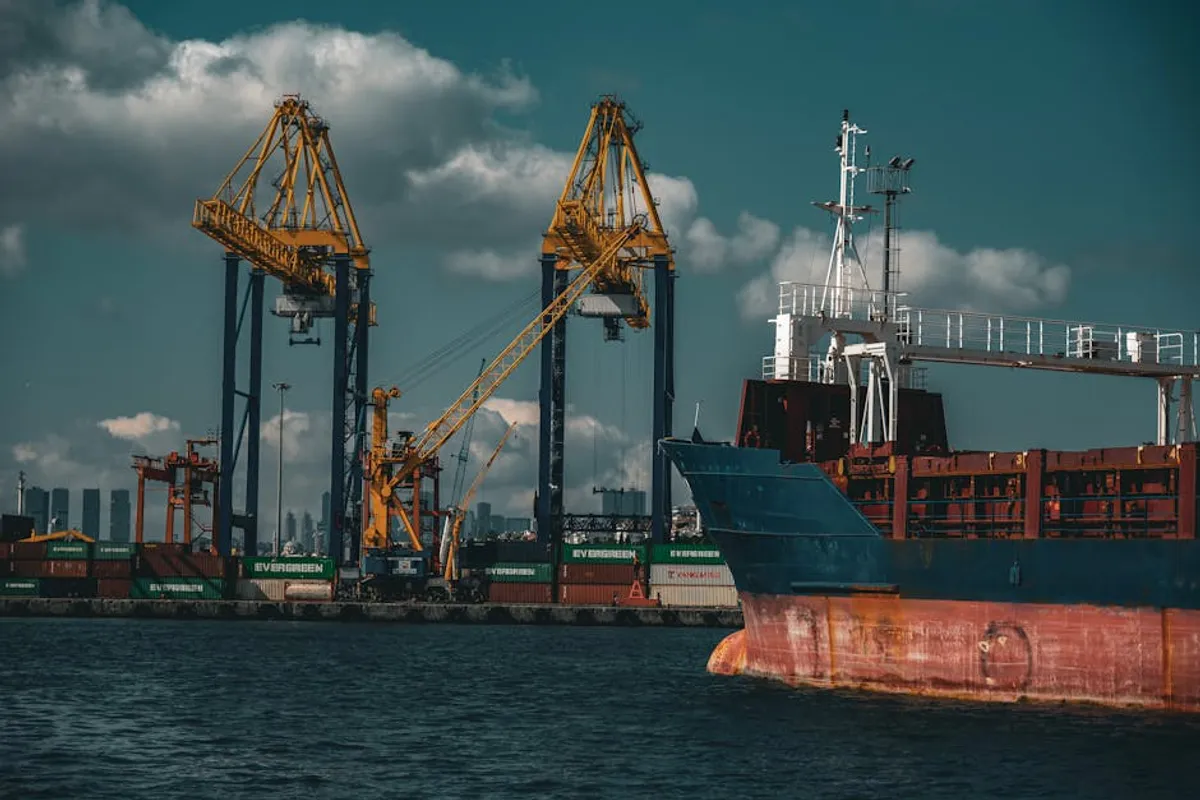
Navigating the complexities of maritime operations, whether for commercial shipping, personal yachting, or specialized marine services, introduces a distinct set of risks. From unforeseen weather events and mechanical failures to cargo damage and third-party liabilities, the financial implications of an incident can be substantial. For those new to securing coverage, the array of policy types, terms, and conditions can appear daunting. This guide provides a structured checklist to help beginners systematically evaluate their needs and approach maritime insurance with clarity, ensuring essential protections are in place without over-insuring or overlooking critical vulnerabilities. This guide provides a structured checklist to help beginners understand how maritime insurance works in modern global trade.
Establishing Foundational Coverage Needs
Before engaging with insurance providers, a clear understanding of what you need to protect and from what risks is paramount. Maritime insurance is not a one-size-fits-all product; it is tailored to specific vessel types, uses, and operational profiles. Begin by categorizing your primary concerns: hull and machinery damage, cargo loss, environmental liabilities, or personal injury claims.
Key Types of Maritime Coverage
- Hull & Machinery (H&M) Insurance: Covers physical damage to the vessel itself, including its engines and equipment. This is fundamental for protecting the asset's value.
- Protection & Indemnity (P&I) Insurance: Addresses third-party liabilities, such as collisions, pollution, personal injury to crew or passengers, and damage to fixed objects like docks. It acts as a crucial safeguard against potentially ruinous legal claims.
- Cargo Insurance: Protects goods being transported against loss or damage from various perils during transit, from port to port or door to door. This is vital for commercial operators moving goods.
- Marine Liability Insurance: A broader category that can include P&I but also covers other specific liabilities not typically covered by H&M, such as professional negligence for marine service providers.
- War Risk Insurance: An additional coverage for vessels operating in areas designated as war zones or high-risk areas, protecting against acts of war, terrorism, or piracy.
The Beginner's Essential Checklist
A methodical approach to gathering information and assessing risk will streamline the insurance procurement process. Each point below represents a critical piece of information or consideration for your policy.
Vessel Information and Valuation
Accurate details about your vessel form the basis of any policy. Insurers will require precise specifications to assess risk and determine appropriate premiums.
- Vessel Type: Clearly define if it's a commercial freighter, fishing vessel, passenger ferry, yacht, tugboat, or offshore support vessel.
- Age and Condition: Provide the build year, recent survey reports, and details of any major refits or upgrades. Older vessels or those with deferred maintenance may face higher premiums or specific conditions.
- Construction Material: Note the primary material (steel, fiberglass, aluminum, wood) as this impacts durability and repair costs.
- Registered Value: State the agreed-upon value (for H&M) or market value, supported by professional appraisals where available. This determines the maximum payout in case of a total loss.
- Engine Details: Specify make, model, horsepower, and age of main engines and generators.
Intended Use and Operating Area
How and where the vessel operates directly influences the risk profile and required coverage. A vessel operating globally faces different risks than one restricted to inland waterways.
- Primary Use: Commercial transport, charter, private pleasure, research, offshore construction, etc.
- Geographical Limits: Define the specific waters your vessel will operate in. This could be coastal, inland, international, or specific high-risk zones. Policies often have strict geographical exclusions.
- Navigation Season: If operations are seasonal, this can sometimes affect premium calculations.
- Lay-up Periods: If the vessel is stored ashore or in a marina for extended periods, specific lay-up coverage may be applicable, often at a reduced rate.
Crew and Passenger Considerations
The human element introduces significant liability risks, particularly for commercial operations. Understanding these aspects ensures adequate protection for personnel.
- Crew Size and Qualifications: Document the number of crew members, their certifications, and experience levels. This is critical for P&I coverage.
- Passenger Capacity: If carrying passengers, note the maximum capacity and typical passenger profiles.
- Employment Contracts: For commercial vessels, review crew employment contracts for specific liabilities or benefits that need insurance backing.
- Medical and Repatriation: Consider coverage for medical expenses and repatriation for crew members, especially in international waters.
Pro Tip: Always scrutinize the 'Exclusions' section of any policy document. This critical section outlines what is explicitly NOT covered. Common exclusions include damage from wear and tear, willful misconduct, or operation outside declared geographical limits. Understanding these limitations upfront prevents disputes during a claim.
Understanding Policy Exclusions and Deductibles
Beyond the core coverage, pay close attention to the specific terms that dictate how and when a policy pays out. These details significantly impact your financial exposure.
- Deductibles (Excess): This is the amount you pay out-of-pocket before the insurer contributes. Higher deductibles typically result in lower premiums but increase your immediate financial risk per incident.
- Policy Limits: Understand the maximum amount the insurer will pay for a specific type of claim or in aggregate over the policy period. Ensure these limits align with your potential liabilities.
- Named Perils vs. All Risks: Determine if the policy covers only specifically listed perils (named perils) or all risks unless specifically excluded (all risks). "All risks" policies offer broader protection but are often more expensive.
Claims Process and Provider Reputation
The true value of an insurance policy becomes apparent during a claim. Researching the insurer's claims handling and overall reputation is a vital step.
- Claims Procedure: Understand the exact steps required to file a claim, including notification timelines, required documentation, and contact points.
- Insurer's Financial Stability: Choose an insurer with a strong financial rating, indicating their ability to meet future claim obligations.
- Broker's Role: If using a broker, assess their expertise in maritime insurance and their track record for client advocacy during claims.
Securing the Right Coverage
With your checklist complete, you are better positioned to engage with brokers and underwriters. Presenting a comprehensive and accurate risk profile will facilitate more precise quotes and potentially more favorable terms. Do not hesitate to ask detailed questions about policy wording, especially concerning ambiguities or scenarios unique to your operations. Compare multiple quotes, not solely on premium price, but on the breadth of coverage, deductible levels, and the reputation of the underwriting company.
Maintaining Continuous Protection
Maritime insurance is not a static purchase. As your operations evolve, so too should your coverage. Regularly review your policy, ideally annually or whenever significant changes occur. This includes changes in vessel use, operating areas, crew composition, or major upgrades to the vessel itself. Proactive policy management ensures that your protection remains relevant and adequate against the dynamic risks of the marine environment. Proactive policy management ensures that your protection remains relevant and adequate against the dynamic risks of the marine environment, following best practices for managing insurance.
Frequently Asked Questions
Is maritime insurance legally mandatory for all vessels?
No, not all maritime insurance is universally mandatory. However, specific types of coverage, like P&I, are often required by international conventions (e.g., for vessels over a certain tonnage or those carrying hazardous cargo) or by port authorities for commercial vessels. For private vessels, while not always legally required, it is highly recommended to protect against significant financial loss.
What factors most influence maritime insurance premiums?
Premiums are primarily influenced by the vessel's value, age, type, and condition; its intended use and operating area; the experience and qualifications of the crew; and the claims history of the owner. Market conditions and the insurer's underwriting appetite also play a role.
Can I get coverage for unusual or high-risk marine operations?
Yes, specialized underwriters exist for unusual or high-risk operations, such as expeditionary voyages, offshore wind farm support, or salvage operations. These policies are highly customized and typically involve a detailed risk assessment by the insurer, often resulting in higher premiums and specific conditions.
What should I do immediately after a maritime incident to ensure my claim?
Immediately notify your insurer or broker, even if the damage seems minor. Document everything with photos, videos, and detailed written accounts. Secure the vessel and prevent further damage if safe to do so. Collect contact information for any third parties involved or witnesses. Timely and thorough reporting is crucial for a smooth claims process.