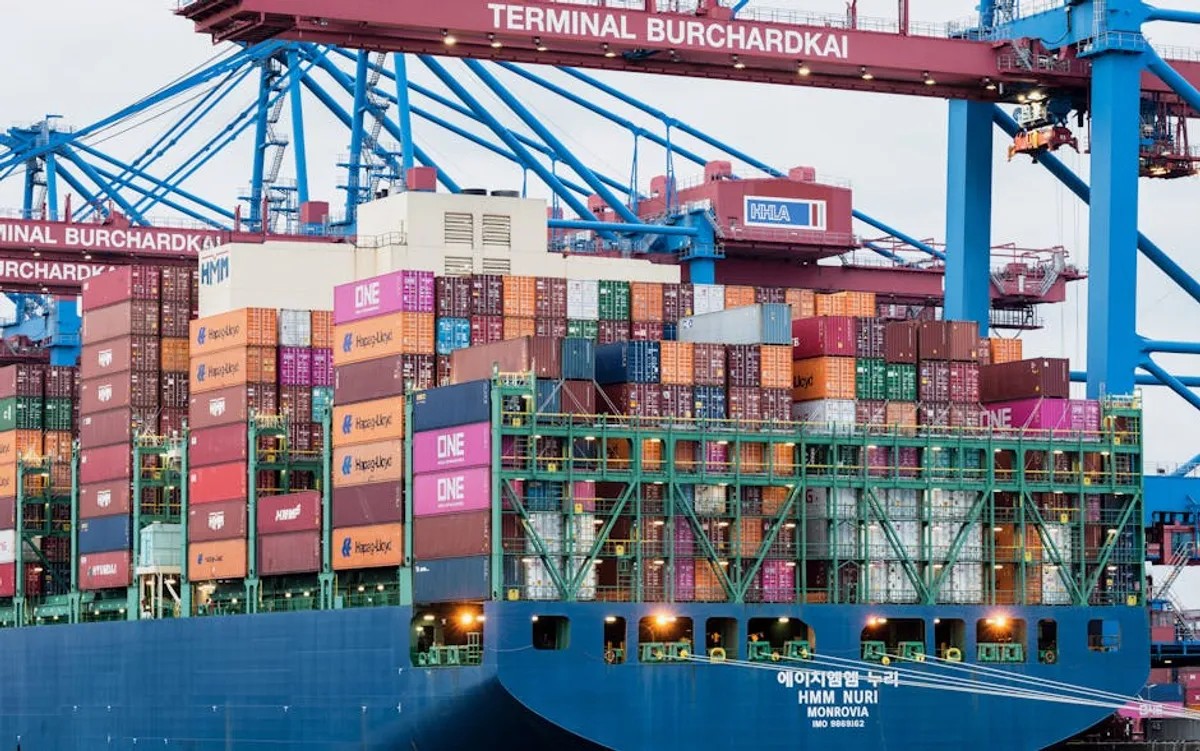
Maintaining a reliable supply chain is a critical business imperative, directly impacting customer satisfaction, operational costs, and market competitiveness. For many businesses, the choice of shipping methodology plays a pivotal role in achieving this stability. Bulk shipping, often perceived merely as a cost-saving measure for high-volume goods, is in fact a foundational element for building and sustaining resilient supply chains. It’s not just about moving large quantities; it's about strategic planning that minimizes disruption, optimizes resources, and ensures consistent product flow from origin to destination.
Understanding Bulk Shipping's Core Advantages
The strategic benefits of bulk shipping extend beyond simple economies of scale, contributing directly to supply chain robustness through several key mechanisms.
Cost Efficiency Through Scale
Bulk shipping inherently reduces the per-unit cost of transportation. This is primarily due to the optimized utilization of carrier capacity, whether a full truckload (FTL), full container load (FCL), or dedicated vessel space. Consolidating smaller shipments into larger, fewer movements means:
- Reduced Administrative Overhead: Fewer invoices, fewer tracking events, and simplified customs documentation compared to managing numerous smaller, individual parcels.
- Optimized Space Utilization: Maximize the cubic capacity and weight limits of transport vehicles, spreading fixed costs (fuel, driver wages, vehicle depreciation) across more units.
- Lower Handling Fees: Fewer touchpoints at terminals, warehouses, and distribution centers translate to reduced labor and equipment costs associated with loading, unloading, and sorting.
These efficiencies free up budget that can be reinvested into other areas of supply chain optimization, such as technology upgrades or inventory buffers, further enhancing reliability.
Streamlined Logistics and Reduced Complexity
By its nature, bulk shipping simplifies the logistical process. Instead of coordinating multiple small shipments with varying schedules and carriers, businesses manage fewer, larger movements. This consolidation leads to:
- Fewer Transshipment Points: Direct routes from origin to destination are more common with bulk shipments, reducing the risk of delays, misroutes, or damage that can occur during transfers between different modes or carriers.
- Simplified Scheduling: Coordinating fewer, larger pickups and deliveries makes scheduling more predictable and easier to manage, allowing for better resource allocation at both ends of the supply chain.
- Enhanced Visibility: Tracking a single, large consignment is often more straightforward than monitoring numerous smaller packages, providing clearer, more actionable data on its journey.
Enhanced Security and Damage Mitigation
Larger, consolidated shipments generally experience a higher degree of security and reduced risk of damage compared to smaller, fragmented ones. A full container or truckload is often sealed at the origin and only opened at the destination, minimizing opportunities for theft or tampering. Furthermore, bulk goods are typically palletized, crated, or otherwise securely unitized, offering greater protection against physical damage during transit and handling. This reduction in loss and damage directly contributes to a more reliable supply chain by ensuring goods arrive intact and as expected, avoiding costly claims processes and replacement shipments.
Bulk Shipping's Impact on Supply Chain Resilience
Beyond direct operational advantages, bulk shipping plays a crucial role in building a supply chain that can withstand and recover from disruptions.
Mitigating Volatility and Disruptions
In an unpredictable global market, bulk shipping provides a buffer against sudden shifts in demand, supply, or external events. By shipping larger quantities, businesses can build strategic inventory reserves at key distribution points, allowing them to:
- Respond to Demand Spikes: Meet unexpected surges in customer orders without immediate stockouts.
- Absorb Production Delays: Maintain supply even if a manufacturing facility experiences temporary setbacks.
- Navigate Geopolitical or Environmental Events: Larger shipments can often be rerouted or expedited more effectively than numerous small ones during crises, or they can contribute to pre-emptive stocking.
This strategic buffer reduces the immediate impact of disruptions, buying time for businesses to adapt and find alternative solutions.
Inventory Management and Stock Optimization
Effective inventory management is central to supply chain reliability. Bulk shipping facilitates this by enabling businesses to implement more predictable inventory strategies, whether they lean towards Just-In-Time (JIT) or Just-In-Case (JIC) models. For JIT, bulk movements allow for fewer, larger deliveries that align precisely with production schedules, minimizing warehousing costs. For JIC, bulk shipping is essential for building safety stock efficiently and economically. The ability to move significant volumes predictably helps prevent both costly overstocking and damaging stockouts, ensuring products are available when and where needed.
Predictability in Transit Times
The consolidation inherent in bulk shipping often leads to more predictable transit times. Dedicated FTL or FCL services, for instance, follow direct routes with fewer stops and transfers, reducing variables that can cause delays. This predictability is vital for:
- Production Planning: Manufacturers can schedule production runs with greater confidence, knowing raw materials will arrive on time.
- Retail Replenishment: Retailers can ensure shelves are stocked consistently, avoiding lost sales due to empty displays.
- Customer Expectations: Businesses can provide more accurate delivery estimates to end-customers, enhancing satisfaction and trust.
Pro Tip: Leverage predictive analytics and historical shipping data when planning bulk movements. Analyzing past transit times, carrier performance, and seasonal demand fluctuations allows for more accurate forecasting and proactive risk mitigation. This data-driven approach helps identify potential bottlenecks before they impact your supply chain and informs more effective buffer stock strategies.
Operational Considerations for Implementing Bulk Strategies
While the benefits are clear, successful bulk shipping requires careful operational planning and execution.
Carrier Selection and Relationship Management
Choosing the right carrier is paramount. Evaluate potential partners based on their capacity, network reach, technological capabilities for tracking and communication, and a proven track record of reliability. A carrier with specialized equipment for your specific goods (e.g., refrigerated containers, flatbeds) or expertise in certain lanes can significantly enhance reliability. Building strong, collaborative relationships with carriers also fosters better service, priority access to capacity, and more effective problem-solving during unforeseen events.
Packaging and Consolidation Best Practices
Proper packaging is crucial for protecting goods during bulk transit. This includes:
- Palletization: Standardizing pallet sizes and stacking patterns for stability and efficient loading/unloading.
- Containerization: Utilizing intermodal containers for seamless transfer between different transport modes (ship, rail, truck).
- Industrial Packaging: Employing robust materials like heavy-duty corrugated boxes, crates, or stretch wrap to secure products and prevent shifting or damage.
Effective consolidation involves not just filling a container, but doing so in a way that maximizes protection and minimizes empty space, reducing both cost and risk.
Technology Integration for Visibility
Modern supply chains demand comprehensive visibility. Integrating technology solutions is essential for managing bulk shipments effectively. This includes:
- Transportation Management Systems (TMS): For optimizing routes, managing carrier bids, and tracking shipments.
- Warehouse Management Systems (WMS): For efficient loading, unloading, and inventory control at distribution points.
- Real-time Tracking Platforms: Providing live updates on shipment location and status, enabling proactive responses to potential delays.
These tools provide the data and control necessary to maintain reliability, identify inefficiencies, and make informed decisions.
Securing Your Supply Chain Through Strategic Shipping
Bulk shipping is more than a logistical tactic; it is a strategic lever for enhancing the overall reliability and resilience of a supply chain. By capitalizing on cost efficiencies, streamlining operations, and mitigating risks through consolidated movements, businesses can build a more robust and predictable flow of goods. The focus shifts from merely moving products to strategically managing the entire pipeline, ensuring continuity and responsiveness in an increasingly complex global environment. Adopting a bulk shipping strategy, supported by careful carrier selection, optimized packaging, and integrated technology, positions businesses to navigate disruptions effectively and consistently meet market demands.
Frequently Asked Questions About Bulk Shipping
What defines bulk shipping?
Bulk shipping refers to the transportation of large quantities of goods, typically in full truckloads (FTL), full container loads (FCL), or dedicated vessel space, rather than as individual parcels or less-than-truckload (LTL) shipments. The primary characteristic is the consolidation of goods into a single, large consignment.
How does bulk shipping differ from LTL or parcel shipping?
Bulk shipping (FTL/FCL) involves dedicating an entire vehicle or container to a single shipper's goods, often resulting in direct point-to-point transport. LTL (Less-than-Truckload) shipping involves combining multiple smaller shipments from different shippers onto a single truck, which often includes multiple stops and transfers. Parcel shipping handles very small, individual packages, typically through a hub-and-spoke network.
What types of goods are best suited for bulk shipping?
Bulk shipping is ideal for goods that are large in volume, heavy, or require dedicated space and minimal handling. This includes raw materials (e.g., grains, minerals), manufactured components, finished products in large quantities, and goods requiring specific environmental controls (e.g., refrigerated FCL for perishables).
What are the key factors in choosing a bulk shipping carrier?
Key factors include the carrier's capacity and network coverage for your specific lanes, their reputation for reliability and on-time delivery, technological capabilities for tracking and communication, insurance coverage, and their expertise in handling your particular type of goods (e.g., hazardous materials, oversized cargo).