Export compliance is not merely a bureaucratic hurdle; it is a critical operational component for any supply chain engaging in international trade. The consequences of non-compliance extend beyond financial penalties, encompassing reputational damage, shipment delays, and even loss of export privileges. Supply chain teams, often focused on efficiency and cost reduction, can inadvertently create vulnerabilities by overlooking specific regulatory requirements or failing to integrate compliance into their standard operating procedures. Understanding these common missteps is the first step toward building a resilient and legally sound export framework.
The Foundation of Export Compliance: Understanding Regulations
A primary source of error stems from an incomplete or inaccurate understanding of the complex regulatory landscape. Export controls are dynamic, influenced by geopolitical shifts, technological advancements, and evolving national security concerns. Supply chain teams must actively manage this information flow.
Misinterpreting Export Control Classifications (ECCN/HTS)
One frequent mistake is the incorrect classification of goods. The Export Control Classification Number (ECCN) under the Commerce Control List (CCL) determines if an item requires a license for export. Similarly, the Harmonized Tariff Schedule (HTS) code, while primarily for import duties, can influence export documentation and reporting. Misclassifying an item as "EAR99" (Export Administration Regulations 99, typically no license required) when it actually falls under a specific ECCN can lead to unauthorized exports of controlled technology or dual-use items. This error often arises from relying on manufacturer's declarations without independent verification or failing to understand the technical specifications that drive classification decisions.
Overlooking Sanctions and Restricted Party Lists
Engaging with sanctioned countries, entities, or individuals poses significant risks. The Office of Foreign Assets Control (OFAC) maintains various sanctions programs, and multiple government agencies publish restricted party lists (e.g., Denied Persons List, Entity List, Specially Designated Nationals List). Supply chain teams sometimes neglect thorough screening processes, assuming their freight forwarder handles all due diligence. However, the exporter remains ultimately responsible. Failure to screen all parties involved in a transaction—including ultimate consignees, intermediate consignees, purchasers, and even end-users—against these lists can result in severe penalties for violating embargoes or engaging with prohibited parties.
Process Gaps and Operational Failures
Even with a foundational understanding of regulations, operational shortcomings can undermine compliance efforts. These often manifest as inconsistencies in execution or a lack of integrated compliance thinking.
Inadequate Documentation and Record-Keeping
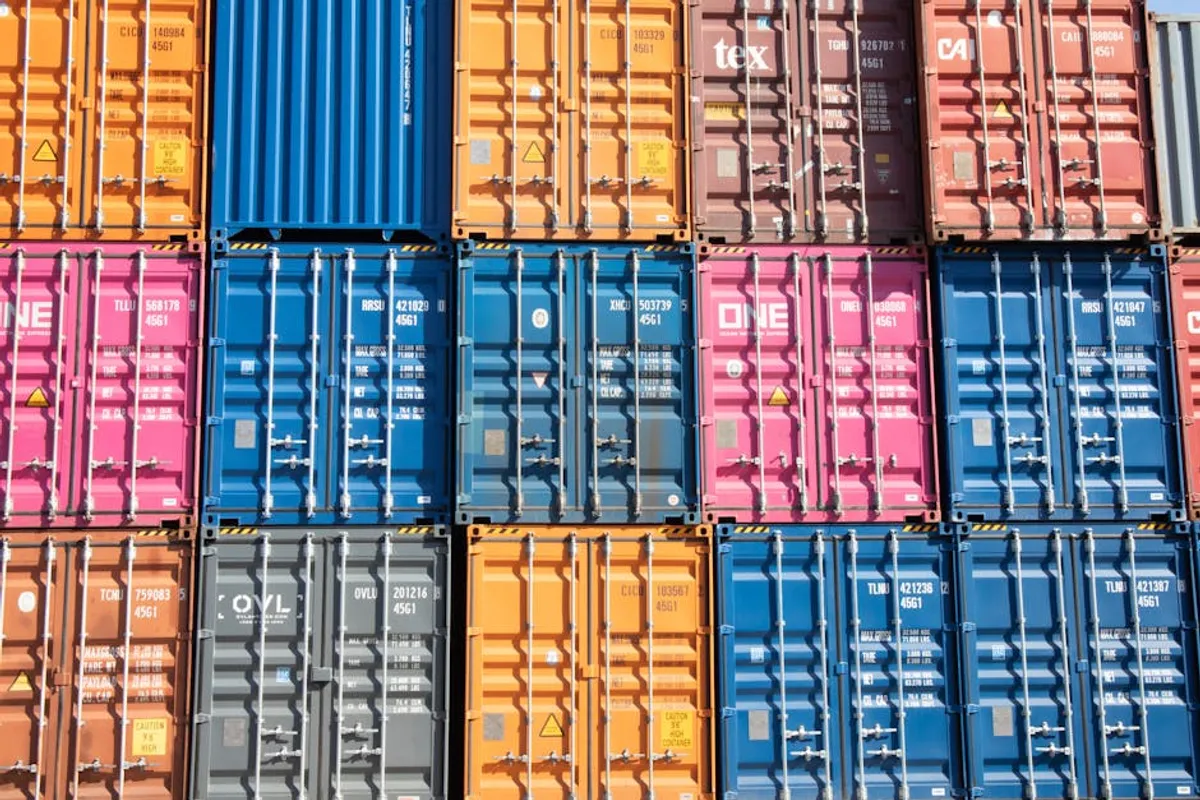
The adage "if it wasn't documented, it didn't happen" is particularly relevant in export compliance. Many supply chain teams fail to maintain comprehensive records for the legally required period (typically five years from the date of export). This includes export licenses, shipping documents, end-user statements, screening results, and internal compliance reviews. Inadequate documentation makes it impossible to prove due diligence during an audit or investigation, leaving the company vulnerable to assumptions of non-compliance. Inadequate documentation can lead to common shipping container mistakes that compromise entire exports.
Neglecting Employee Training and Awareness
Export compliance is not solely the responsibility of a dedicated compliance officer; it involves everyone from sales and engineering to shipping and logistics. A common mistake is the absence of regular, role-specific training. Employees handling export paperwork, negotiating international sales, or classifying products must understand their specific compliance obligations. Without this ongoing education, staff may inadvertently make decisions that lead to violations, such as shipping to an unscreened party or misstating the value of goods.
Failure to Implement Internal Control Programs
An effective Export Management and Compliance Program (EMCP) is crucial. Supply chain teams often lack a formalized, written program that outlines procedures for classification, screening, licensing, record-keeping, and training. Without such a program, compliance efforts become ad hoc, inconsistent, and reliant on individual knowledge rather than systemic processes. This absence creates significant risk exposure and makes it difficult to demonstrate a "good faith" effort to comply during an enforcement action.
Warning: The cost of an export compliance violation can far exceed monetary penalties. Beyond fines, companies face shipment detentions, loss of export privileges, criminal charges for individuals, and significant reputational damage that impacts customer trust and market access. Proactive investment in compliance infrastructure is always less costly than reactive damage control.
Technology and Data Management Pitfalls
In an increasingly digital supply chain, the reliance on outdated systems or inconsistent data practices presents its own set of compliance challenges.
Relying on Outdated or Manual Systems
Many supply chain operations still rely on manual spreadsheets, paper records, or disparate systems for managing export data. This approach is prone to human error, lacks scalability, and makes real-time compliance monitoring virtually impossible. Automated export compliance software can integrate screening against restricted party lists, manage license applications, and track classifications, significantly reducing manual effort and improving accuracy. Failure to adopt appropriate technology often results in missed updates to regulations or inconsistent application of compliance rules.
Inconsistent Data Entry and Management
Data integrity is paramount for export compliance. Inconsistent product descriptions, incorrect country codes, or missing end-user information across different systems (e.g., ERP, CRM, shipping platforms) can lead to errors on export declarations. These discrepancies can trigger customs audits or flag shipments for closer inspection, causing delays and potential penalties. Establishing clear data governance policies and ensuring data synchronization across all relevant platforms is essential.
Post-Shipment Compliance Oversights
Compliance responsibilities do not end once a shipment leaves the dock. Post-export activities are equally important for maintaining a robust compliance posture.
Ignoring Post-Export Reporting Requirements
Certain exports, particularly those involving controlled technologies or specific destinations, may require post-shipment reporting to government agencies. This could include reporting on the end-use of licensed items or providing updates on technology transfers. Supply chain teams sometimes overlook these ongoing obligations, assuming their responsibility concludes with the physical shipment. Failure to submit required reports can lead to license revocation or other enforcement actions.
Failing to Conduct Regular Audits
A robust compliance program includes periodic internal and external audits. These audits serve to identify weaknesses, ensure adherence to established procedures, and verify that the program remains effective in light of evolving regulations and business practices. Skipping these reviews means potential non-compliance issues can fester undetected, growing into larger problems. Audits provide an opportunity to correct deficiencies before they result in official investigations or penalties.
Strengthening Your Export Compliance Posture
Mitigating export compliance risks requires a structured, proactive approach. Supply chain teams should prioritize the development of a comprehensive Export Management and Compliance Program (EMCP) that is regularly reviewed and updated. This program must integrate regulatory knowledge with operational processes, ensuring that compliance is not an afterthought but an intrinsic part of every international transaction. Continuous employee training, leveraging appropriate technology for screening and documentation, and establishing clear audit trails are non-negotiable components. By systematically addressing these common pitfalls, organizations can protect their global trade operations from significant legal and financial repercussions.
Frequently Asked Questions
What is the primary risk of export non-compliance?
The primary risks include substantial financial penalties, potential loss of export privileges, criminal charges for severe violations, and significant damage to a company's reputation and business relationships.
How often should a company screen against restricted party lists?
Companies should screen all parties involved in an export transaction at multiple stages: during initial inquiry, order placement, prior to shipment, and periodically for ongoing relationships. This ensures that any changes to restricted party lists are captured.
What is the difference between ECCN and HTS codes?
ECCN (Export Control Classification Number) is used to determine if an item requires an export license under U.S. export control regulations. HTS (Harmonized Tariff Schedule) codes are used primarily for customs duties and statistical purposes when importing goods, though they are also used in export declarations for statistical tracking.
Who is ultimately responsible for export compliance in a supply chain?
While various parties (freight forwarders, customs brokers) play a role, the exporter of record is ultimately responsible for ensuring compliance with all applicable export regulations. This responsibility cannot be fully delegated.