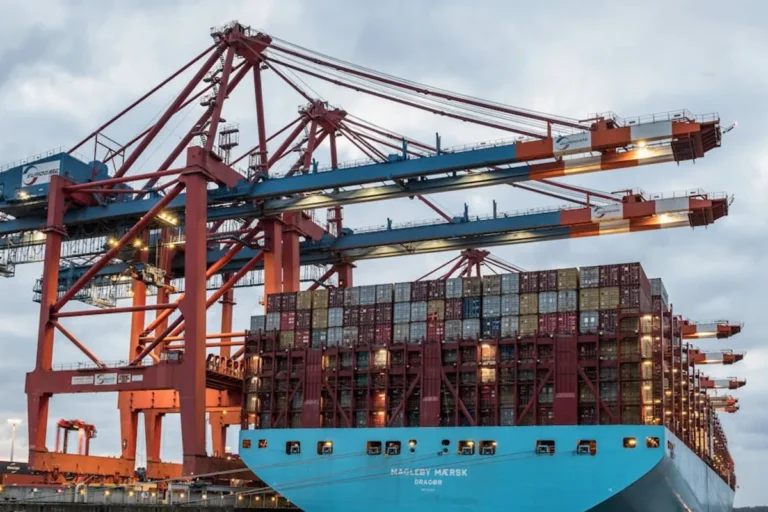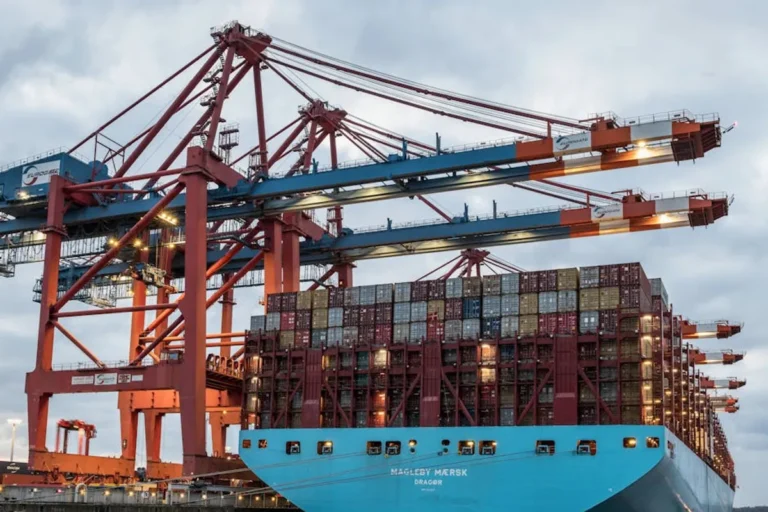
Shipping delays represent a significant operational and financial risk for any business relying on the movement of goods. Unforeseen disruptions, from port congestion and customs backlogs to weather events and labor shortages, can erode customer trust, incur demurrage charges, and disrupt production schedules. A systematic, proactive approach is essential to mitigate these impacts, moving beyond reactive firefighting to a resilient supply chain strategy. This checklist provides supply chain teams with actionable steps to identify, manage, and learn from shipping delays, transforming potential crises into opportunities for operational refinement. A systematic, proactive approach is essential to mitigate these impacts, moving beyond reactive firefighting to a resilient supply chain strategy, and understanding the value of end-to-end visibility across the supply chain can help achieve this.
Pre-Emptive Measures for Delay Mitigation
Effective delay management begins long before a shipment leaves the dock. Proactive planning and robust infrastructure can significantly reduce the frequency and severity of disruptions.
Supplier and Carrier Due Diligence
Establishing strong, diversified relationships is foundational. Vet potential partners not just on cost, but on their track record for reliability, communication protocols, and contingency plans. Relying on a single carrier or supplier for critical components introduces single points of failure that can amplify delay impacts.
- Carrier Performance Metrics: Track on-time delivery rates, claims resolution speed, and communication responsiveness.
- Supplier Redundancy: Identify and qualify secondary suppliers for critical components or finished goods.
- Contractual Clarity: Ensure service level agreements (SLAs) include specific clauses for delay notification, mitigation efforts, and penalties.
Inventory and Warehousing Optimization
Strategic inventory management provides a buffer against unexpected transit times. While lean inventory reduces holding costs, an overly aggressive approach can leave operations vulnerable to even minor shipping disruptions.
Consider: Safety stock levels for high-demand or long lead-time items, strategically located warehouses to reduce final-mile transit, and cross-docking capabilities to minimize storage time.
Route and Mode Diversification
Limiting reliance on a single shipping lane or transportation mode increases vulnerability. Exploring alternative routes, ports of entry, and multimodal options can provide flexibility when primary channels face congestion or closure.
Example: For transatlantic shipments, consider both East Coast and Gulf Coast ports, or evaluate air freight for time-sensitive, high-value goods as a contingency to ocean freight.
Real-Time Delay Identification and Assessment
Once a shipment is in transit, timely and accurate information is paramount. The ability to detect delays early allows for quicker adjustments and minimizes downstream effects.
Advanced Tracking and Visibility Tools
Leverage technology that provides end-to-end visibility across the supply chain. This includes real-time GPS tracking, electronic data interchange (EDI) with carriers, and predictive analytics that can forecast potential delays based on historical data and current events.
Benefit: Early warning systems for port congestion, weather patterns, or customs hold-ups enable proactive rerouting or alternative arrangements.
Impact Quantification and Prioritization
Not all delays are equal. Develop a framework to assess the potential impact of a delay based on factors like product criticality, customer commitments, and cost implications. This allows teams to prioritize mitigation efforts effectively.
Key Metrics:
- Customer Impact: Number of affected orders, potential late delivery penalties, customer churn risk.
- Financial Impact: Demurrage, expedited shipping costs, lost sales, production downtime.
- Operational Impact: Disruption to production schedules, warehouse capacity issues.
Strategic Communication During Disruptions
Effective communication is critical both internally and externally. Transparency and clear expectations can preserve relationships and manage fallout.
Internal Stakeholder Alignment
Ensure all relevant internal departments—sales, customer service, production, finance—are informed of delays and their potential impact. Establish clear channels for information dissemination and decision-making.
Process: Centralized communication hub, regular cross-functional update meetings, and predefined escalation paths for critical delays.
Customer Expectation Management
Proactive and honest communication with customers about potential delays is essential for maintaining trust. Provide revised delivery estimates and explain the steps being taken to resolve the issue.
Pro Tip: Implement a tiered communication strategy for customers. For minor delays, a simple email update may suffice. For significant disruptions, consider personalized calls or dedicated account manager outreach to explain the situation and offer solutions.
Post-Incident Review and Continuous Improvement
Every delay, regardless of its severity, offers valuable lessons. A systematic review process ensures that the organization learns from disruptions and strengthens its resilience.
Root Cause Analysis Framework
Conduct a thorough investigation into the underlying causes of each significant delay. Move beyond identifying the immediate trigger to uncover systemic weaknesses in processes, technology, or partnerships.
Example: A port strike might be the immediate cause, but the root cause could be an over-reliance on a single port or insufficient inventory buffers.
Performance Metric Adjustments
Review and adjust key performance indicators (KPIs) and operational procedures based on delay analysis. This might involve revising lead times, increasing safety stock, or updating carrier selection criteria.
Focus: Continuous improvement loops that integrate feedback from delay incidents into future planning and risk management strategies.
Sustaining Resilience in Your Supply Chain
Managing shipping delays is an ongoing process, not a one-time fix. Regularly review and update your delay checklist, adapting it to changing global trade conditions, technological advancements, and internal business needs. Foster a culture of proactive risk management and continuous learning within your supply chain team. By embedding these practices, your organization can transform the challenge of shipping delays into a competitive advantage through enhanced reliability and customer satisfaction.
Frequently Asked Questions
What are the primary causes of shipping delays?
Common causes include port congestion, customs inspections, adverse weather conditions, labor disputes, infrastructure failures, carrier capacity shortages, and geopolitical events. These factors can impact all modes of transport.
How can technology improve delay management?
Technology provides real-time tracking, predictive analytics, and automated communication. This enables earlier detection of potential delays, more accurate impact assessments, and faster dissemination of information to all stakeholders, facilitating quicker response times.
What is the financial impact of unmanaged shipping delays?
Unmanaged delays can lead to increased costs from expedited shipping, demurrage charges, inventory holding costs, and production line stoppages. Indirect costs include lost sales, damaged customer relationships, and reputational harm, all of which impact profitability.
How often should a shipping delay checklist be reviewed?
The checklist should be reviewed at least annually, or more frequently if there are significant changes in global trade policies, carrier networks, or internal business operations. Regular reviews ensure its continued relevance and effectiveness.