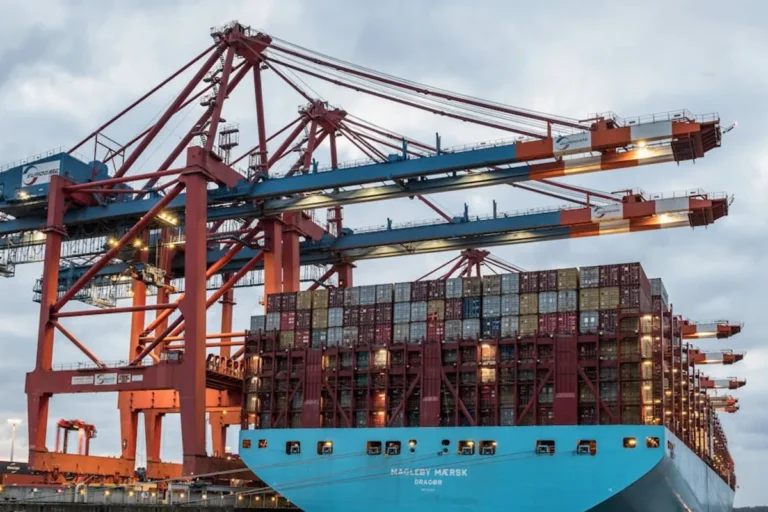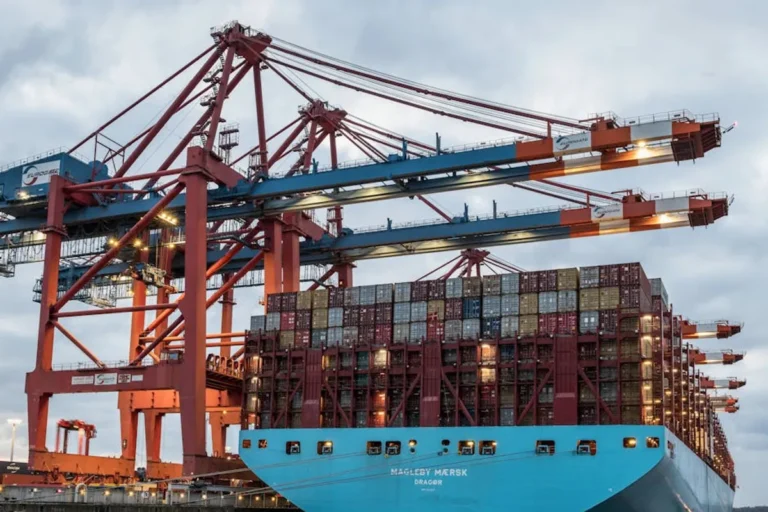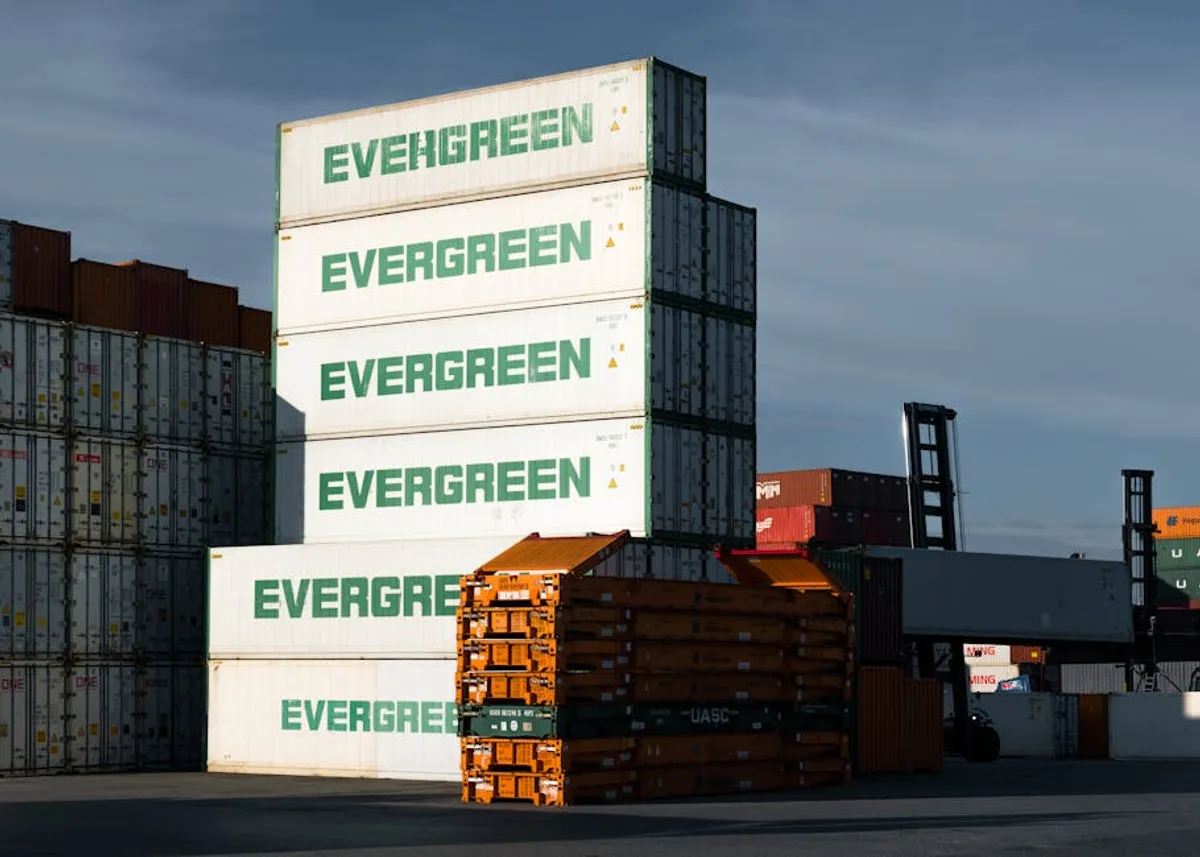
Modern supply chains prioritize efficiency and speed, often defaulting to containerized shipping for its standardized processes and cost-effectiveness. However, a significant portion of global trade involves cargo that simply cannot be containerized due to its dimensions, weight, or specialized handling requirements. This is where breakbulk cargo becomes indispensable, serving as a critical component for maintaining supply chain reliability, particularly for industrial projects, heavy machinery, and specialized commodities. Understanding its specific applications and inherent advantages is crucial for logistics professionals aiming to mitigate risks and ensure the uninterrupted flow of goods that underpin complex operations. This specialized approach ensures that vital components arrive where needed, complementing the broader role of ocean freight for global trade.
Defining Breakbulk Cargo in Logistics
Breakbulk cargo refers to goods that are transported individually, rather than in intermodal containers or as bulk commodities like oil or grain. These items are typically loaded onto a vessel piece by piece, often requiring specialized lifting equipment and manual labor. Its defining characteristics include non-uniform sizes and weights, making it unsuitable for standard container slots. This category encompasses a wide range of goods, from manufacturing components and construction materials to vehicles, turbines, and even entire factory units. The absence of a standardized container necessitates tailored handling procedures for each shipment, directly impacting planning and execution.
Key Distinctions from Containerized and Bulk Shipping
The operational differences between breakbulk, container, and bulk shipping are fundamental to supply chain design:
- Cargo Type: Breakbulk handles discrete, non-uniform items; container shipping handles goods within standardized boxes; bulk shipping handles homogeneous loose materials (liquids, grains, minerals).
- Loading/Unloading: Breakbulk requires individual handling, often with cranes or specialized gear; containers are moved by gantry cranes; bulk cargo is typically pumped, poured, or scooped.
- Port Infrastructure: Breakbulk can utilize a wider range of ports, including those with limited container handling capabilities; container shipping requires specialized container terminals; bulk shipping requires dedicated bulk terminals.
- Flexibility: Breakbulk offers greater flexibility for oversized or project cargo; container shipping prioritizes standardization and volume; bulk shipping focuses on mass transport of raw materials.
Strategic Advantages for Supply Chain Resilience
Breakbulk cargo offers distinct benefits that directly contribute to the robustness and reliability of supply chains, particularly when standard methods are insufficient or impractical.
Accommodating Oversized and Project Cargo
Many essential industrial components, such as wind turbine blades, power plant generators, or large manufacturing machinery, exceed the dimensions or weight limits of standard shipping containers. Breakbulk vessels are specifically designed to transport these items, often featuring heavy-lift capabilities and open deck spaces. Without breakbulk options, the transport of such critical equipment would be impossible, halting major infrastructure projects and industrial developments. This capability ensures that even the largest and most complex components can reach their destination, maintaining project timelines and operational continuity.
Accessing Ports with Limited Infrastructure
A significant advantage of breakbulk shipping is its ability to serve ports that lack advanced container handling equipment or deep-water berths. Many developing regions or remote industrial sites rely on smaller ports that can only accommodate vessels capable of direct loading and unloading via ship's gear or shore-based cranes. This flexibility allows supply chains to bypass congested major hubs, reduce inland transport distances, and deliver goods closer to their final destination, which is crucial for time-sensitive projects or areas with underdeveloped road networks. This direct access minimizes transshipment risks and delays.
Reduced Risk of Cargo Damage for Specific Goods
While often perceived as more exposed, breakbulk can offer superior protection for certain types of cargo. When items are too fragile or uniquely shaped for containers, individual handling and custom lashing within a vessel's hold can prevent damage from shifting or impact during transit. Specialized cradles, dunnage, and securing methods are employed to ensure stability. For high-value, sensitive equipment, this tailored approach can be more secure than forcing it into a container that may not provide adequate internal support or cushioning.
Pro Tip: For critical breakbulk shipments, always conduct a pre-shipment survey. This independent assessment verifies cargo condition, packing, and securing methods before loading, mitigating potential disputes and ensuring compliance with insurance requirements. Detailed documentation of this process is essential for risk management.
Navigating the Operational Realities
Despite its advantages, breakbulk shipping introduces specific operational considerations that require meticulous planning and execution.
Increased Planning Complexity and Lead Times
Each breakbulk shipment is essentially a custom project. It demands extensive planning, including detailed cargo surveys, engineering calculations for stowage and lashing, and coordination with multiple stakeholders (port authorities, stevedores, customs). This complexity translates into longer lead times compared to standardized container bookings. Shippers must account for these extended planning phases to prevent delays in their overall supply chain schedule. Early engagement with specialized carriers and freight forwarders is paramount.
Higher Handling Costs and Specialized Equipment
The individualized nature of breakbulk cargo means higher per-unit handling costs. It requires specialized cranes, lifting gear, and skilled labor for safe and efficient loading and unloading. These resources are often more expensive than the automated systems used for container handling. Furthermore, port storage for breakbulk items can also incur higher charges due to the larger footprint and specialized security or protection needed. These costs must be factored into the total landed cost of goods.
Integrating Breakbulk into a Holistic Supply Chain
For truly reliable supply chains, breakbulk should not be viewed as a last resort, but as an integral, complementary solution. It allows businesses to diversify their shipping strategies, ensuring that even the most challenging cargo can be transported efficiently. This integration involves:
- Early Project Planning: Identifying breakbulk requirements at the project conception stage to allow for adequate lead times and carrier selection.
- Carrier Specialization: Partnering with carriers and freight forwarders who possess proven expertise and equipment for specific cargo types and routes.
- Risk Assessment: Comprehensive evaluation of potential delays, damage, and cost overruns, with contingency plans in place.
- Customs and Compliance: Thorough understanding of import/export regulations for non-standard cargo in destination countries.
Optimizing Breakbulk Operations for Predictability
To leverage breakbulk for supply chain reliability, focus on operational excellence:
Detailed Cargo Specifications: Provide precise dimensions, weight, and handling instructions for each piece. This enables accurate vessel selection, stowage planning, and equipment allocation.
Robust Packaging and Protection: Invest in industrial-grade packaging, crating, and weatherproofing suitable for open-air storage and multiple handling points. Ensure items are clearly marked with lifting points and center of gravity.
Transparent Communication: Maintain continuous, clear communication between all parties involved – shipper, carrier, port operators, and consignee. Regular updates on vessel schedules, weather conditions, and port status are critical.
On-Site Supervision: For high-value or complex shipments, consider deploying experienced cargo superintendents at loading and discharge ports to oversee operations and address issues in real-time.
Ensuring Supply Chain Continuity with Breakbulk
Breakbulk cargo's role extends beyond simply moving oversized items; it is a strategic enabler for industries dependent on project logistics and specialized equipment. By providing a viable transport solution for goods that defy standardization, it prevents bottlenecks, supports infrastructure development, and facilitates the global movement of critical components. Its deliberate integration into a diversified logistics strategy ensures that supply chains remain resilient and adaptable, capable of handling the full spectrum of cargo requirements, thereby sustaining operational continuity and commercial objectives.
Frequently Asked Questions about Breakbulk Cargo
What types of cargo are best suited for breakbulk shipping?
Breakbulk is ideal for oversized, overweight, or uniquely shaped items that cannot fit into standard containers. This includes heavy machinery, industrial project components, vehicles, steel products, timber, and specialized equipment for sectors like energy, construction, and mining.
How does breakbulk shipping impact transit times compared to container shipping?
Breakbulk generally involves longer transit times due to the individualized handling of each piece, which makes loading and unloading more time-consuming. Vessel schedules can also be less frequent or more flexible, requiring careful planning to align with project deadlines.
What are the primary cost drivers in breakbulk shipping?
Key cost drivers include specialized vessel charter rates, higher port handling charges for manual labor and heavy-lift equipment, custom lashing and securing materials, and potentially longer port stays. Insurance costs can also be higher due to the perceived greater exposure of cargo.
Is breakbulk shipping more environmentally friendly than container shipping?
The environmental impact varies. While breakbulk vessels might have a smaller carbon footprint per trip compared to mega-container ships, the per-ton-mile efficiency can be lower due to less optimized stowage and potentially slower speeds. However, by enabling direct port access, breakbulk can reduce inland transport emissions in some scenarios.