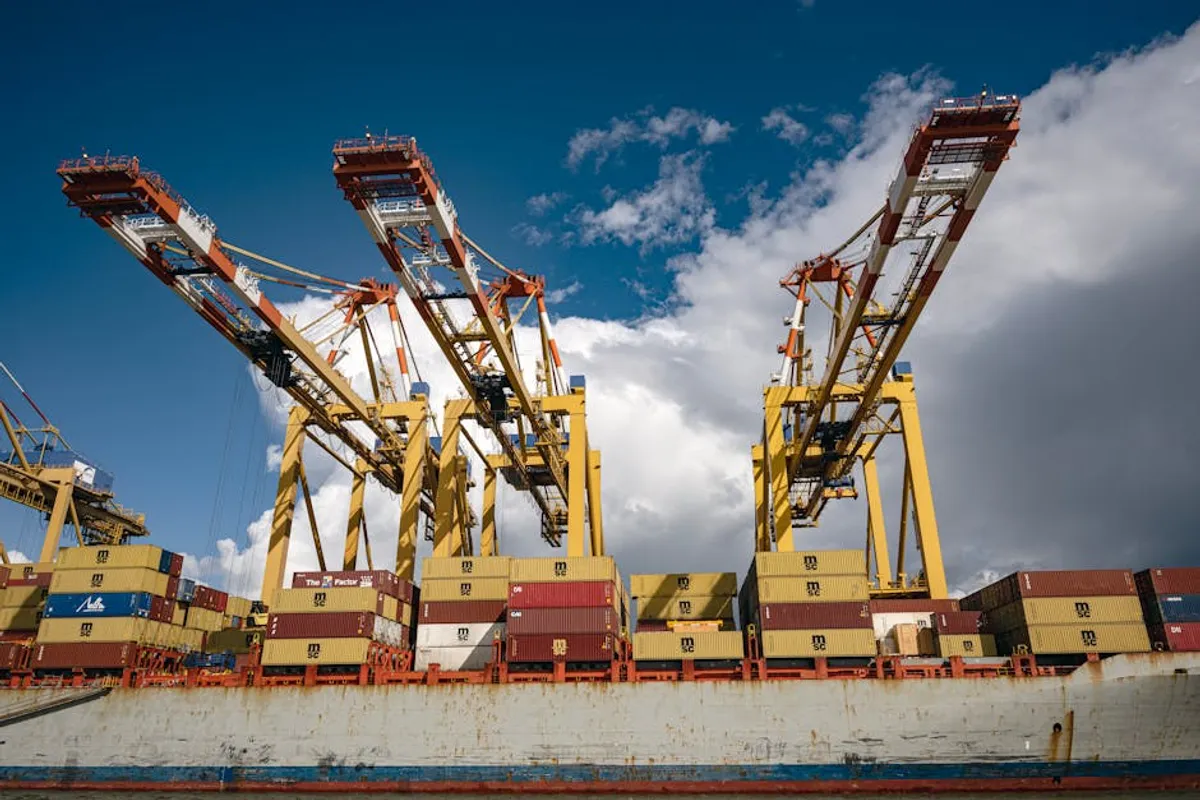
The global shipping industry operates as the backbone of international trade, directly influencing supply chain stability and operational costs for businesses across manufacturing, retail, and e-commerce. Understanding its trajectory is not merely an academic exercise; it is a critical component of strategic planning for any enterprise reliant on timely and cost-effective freight movement. Businesses must move beyond reactive adjustments to current events, instead adopting a proactive stance informed by key forecast indicators. This foresight enables better inventory management, hedging against freight rate volatility, and mitigating disruptions before they impact customer delivery or profitability.
Navigating Geopolitical Shifts and Trade Route Dynamics
Global events exert immediate and profound effects on shipping routes and operational costs. The Red Sea disruptions, for instance, have forced container vessels to reroute around the Cape of Good Hope, adding thousands of nautical miles and significant transit time to Asia-Europe voyages. This extends lead times by 7-14 days and increases fuel consumption, directly impacting carrier capacity and freight rates. Similarly, water level issues in the Panama Canal restrict daily transits, creating bottlenecks that affect trans-Pacific and North-South American trade lanes.
Beyond immediate crises, broader geopolitical strategies like nearshoring and friendshoring are reshaping established supply chains. Companies are increasingly diversifying manufacturing bases closer to consumer markets or to politically aligned nations to enhance resilience. This shift can lead to increased regional shipping demand, potentially altering port traffic patterns and requiring new logistical infrastructure investments in those areas.
- Impact of Route Diversions: Increased transit times, higher fuel costs, elevated insurance premiums, and reduced vessel availability.
- Trade Policy Changes: Tariffs or sanctions can abruptly shift trade volumes between countries, creating overcapacity on some routes and shortages on others.
- Regionalization of Supply Chains: Growing demand for intra-regional shipping services, potentially favoring smaller, more flexible carriers.
Technological Integration and Automation
The shipping sector is undergoing a rapid digital transformation, driven by the need for efficiency, transparency, and cost reduction. Automation in port operations, such as automated guided vehicles (AGVs) and robotic cranes, accelerates cargo handling and reduces labor costs, but requires substantial capital investment and skilled technical personnel for maintenance.
Artificial intelligence (AI) and machine learning are increasingly deployed for predictive analytics in route optimization, demand forecasting, and inventory management. AI algorithms can analyze vast datasets on weather patterns, port congestion, and historical demand to suggest the most efficient routes and optimize vessel speeds, leading to fuel savings and improved schedule reliability. Blockchain technology offers enhanced transparency and security for supply chain documentation, reducing administrative delays and fraud risks by creating immutable records of transactions and cargo movements.
Best for: Reducing operational costs, improving delivery reliability, enhancing supply chain visibility.
Sustainability Mandates and Regulatory Compliance
Environmental regulations are becoming a primary driver of change within the shipping industry. The International Maritime Organization (IMO) has implemented stringent measures aimed at decarbonization, including the IMO 2020 sulfur cap and the IMO 2023 carbon intensity indicator (CII) and existing ship energy efficiency index (EEXI) regulations. These mandates compel shipowners to invest in cleaner fuels, exhaust gas cleaning systems (scrubbers), or new, more energy-efficient vessel designs.
The transition to alternative fuels like LNG, methanol, ammonia, and hydrogen is gaining momentum, though infrastructure for bunkering these fuels is still developing. Companies must factor in the higher capital expenditure for new vessels capable of using these fuels, as well as the fluctuating price and availability of these alternatives. Carbon pricing mechanisms and emissions trading schemes are also emerging, adding a direct financial cost to carbon emissions and further incentivizing greener operations.
Pro Tip: Businesses should engage with their logistics providers to understand their decarbonization strategies and assess potential impacts on future freight costs. Prioritize carriers demonstrating clear commitments to sustainable practices to mitigate future regulatory risks and align with evolving ESG expectations from consumers and investors.
Economic Volatility and Demand Fluctuations
Global economic conditions directly influence shipping demand and freight rates. Inflationary pressures, rising interest rates, and shifts in consumer spending patterns—such as a pivot from goods to services—can lead to unpredictable fluctuations in cargo volumes. During periods of high inflation, consumer purchasing power for durable goods may decline, reducing containerized cargo demand. Conversely, economic stimulus packages can spur a rapid increase in demand, leading to port congestion and equipment shortages.
Inventory management strategies also play a role. The shift from "just-in-time" to "just-in-case" inventory models, prompted by recent supply chain disruptions, means companies are holding larger buffer stocks. This can create surges in shipping demand as businesses restock, followed by periods of reduced demand as inventories are consumed. Monitoring key economic indicators like consumer confidence, manufacturing output, and retail sales is crucial for anticipating these shifts.
Labor Market Dynamics and Workforce Challenges
The shipping industry faces persistent labor challenges across its various segments. The trucking sector continues to grapple with driver shortages, exacerbated by an aging workforce and difficulties in attracting new talent. This impacts inland transportation costs and delivery times, creating bottlenecks even after cargo has been discharged from vessels.
Port operations are susceptible to labor negotiations and potential strikes, which can halt cargo movement and create significant backlogs. Seafarer availability is another concern, with ongoing challenges in recruitment, training, and retention, particularly for specialized roles on advanced vessels. While automation aims to reduce reliance on manual labor, it also creates a demand for new skill sets in robotics, IT, and data analytics, requiring significant investment in workforce retraining and development.
Strategic Preparation for Shipping Volatility
To navigate the evolving shipping landscape, businesses must implement resilient strategies. This includes diversifying supply chain routes and partners, negotiating flexible contracts with multiple carriers, and investing in robust data analytics capabilities for real-time visibility into cargo movements and potential disruptions. Scenario planning for various geopolitical, economic, and environmental eventualities can help pre-emptively identify vulnerabilities and develop contingency plans. Engaging in collaborative relationships with logistics providers and technology partners will also be critical for adapting to new regulations and leveraging emerging innovations.
Frequently Asked Questions
What are the primary drivers of freight rate volatility?
Freight rate volatility is primarily driven by a combination of fluctuating demand, geopolitical events impacting trade routes, fuel price changes, vessel capacity availability, and port congestion. Economic indicators like consumer spending and inventory levels also play a significant role.
How do sustainability regulations impact shipping costs?
Sustainability regulations, such as IMO's decarbonization mandates, increase shipping costs through investments in cleaner fuels, exhaust gas cleaning systems, or new, more efficient vessel designs. These costs are often passed on to shippers through surcharges or higher base rates.
What role does technology play in mitigating shipping disruptions?
Technology mitigates disruptions by providing enhanced visibility, predictive analytics, and operational efficiency. AI-driven route optimization, real-time tracking, and automated port processes help anticipate and circumvent bottlenecks, reducing delays and improving delivery reliability.
Should businesses consider nearshoring to reduce shipping risks?
Nearshoring can reduce shipping risks by shortening supply chains, decreasing transit times, and lessening exposure to geopolitical instability in distant regions. However, it may involve higher manufacturing costs or necessitate investments in new regional infrastructure.