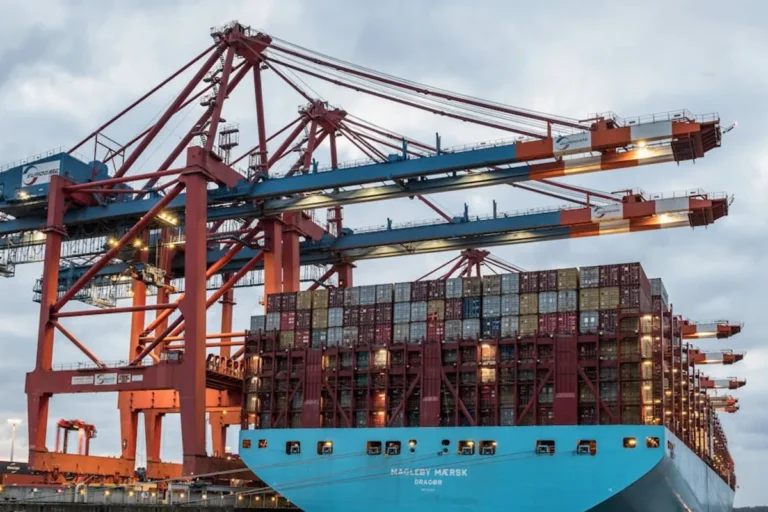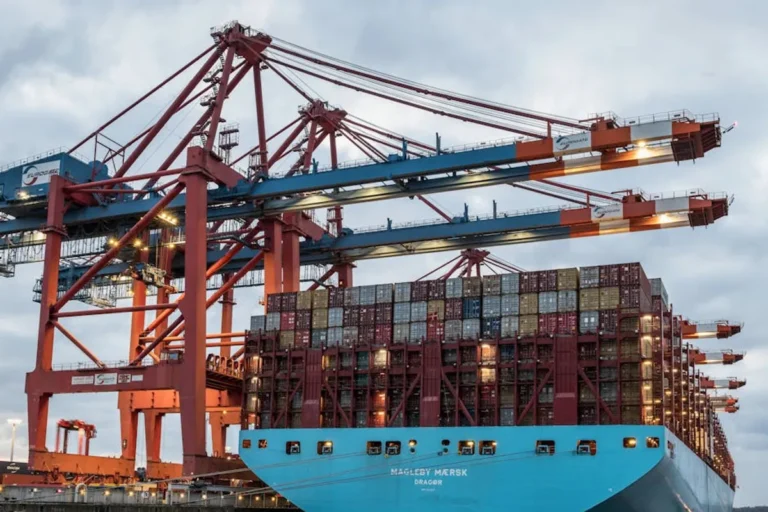
Businesses engaged in international trade face a dynamic landscape shaped by evolving import duties. These tariffs directly impact landed costs, supply chain strategies, and market competitiveness. Understanding the key trends influencing global duty structures is critical for accurate financial forecasting, risk mitigation, and maintaining profitable operations. This year presents several shifts that demand close attention from importers, logistics providers, and financial planners. Understanding the practicalities of import duties is fundamental for any business navigating international trade.
Geopolitical Shifts and Tariff Volatility
Geopolitical tensions continue to be a primary driver of import duty changes. Governments increasingly use tariffs as tools for economic leverage, national security, or to protect domestic industries. This environment leads to unpredictable duty rates and the potential for rapid policy shifts.
Impact areas:
- Regional Trade Agreements: While some regions pursue deeper integration through new or updated free trade agreements (FTAs), others experience fragmentation. New FTAs can reduce duties for member states, but non-member countries may face increased tariffs or new non-tariff barriers. Monitoring negotiations and ratification processes is essential for identifying emerging preferential trade opportunities or new competitive disadvantages.
- Sanctions and Counter-Sanctions: Targeted sanctions, often accompanied by import/export restrictions or prohibitive duties, are becoming more frequent. These measures can disrupt established supply routes, necessitate sourcing changes, and introduce significant compliance burdens. Businesses must maintain robust compliance frameworks to avoid penalties associated with sanctioned goods or entities.
- Strategic Industry Protection: Many nations are implementing duties or subsidies to bolster specific strategic sectors, such as semiconductors, renewable energy components, or critical minerals. These policies aim to reshore production or reduce reliance on foreign suppliers, directly affecting import costs for related goods.
Sustainability Directives and Green Tariffs
Environmental concerns are translating into new forms of import duties, often termed "green tariffs." These measures aim to incentivize sustainable production practices and level the playing field for domestic industries with higher environmental compliance costs.
Key mechanisms:
- Carbon Border Adjustment Mechanisms (CBAMs): The European Union's CBAM, for example, imposes a levy on carbon-intensive imports from countries with less stringent climate policies. This mechanism directly impacts sectors like cement, iron and steel, aluminum, fertilizers, electricity, and hydrogen. Importers must accurately measure the embedded carbon emissions of their products to calculate potential costs.
- Extended Producer Responsibility (EPR) Schemes: While not direct import duties, EPR schemes often involve fees or obligations related to the end-of-life management of products. These can apply at the point of import or sale, effectively adding to the cost of bringing certain goods (e.g., electronics, packaging) into a country. Compliance requires detailed product composition data and participation in national recycling or waste management programs.
- Plastic Taxes and Waste Management Fees: A growing number of countries are implementing taxes on single-use plastics or packaging, which can apply to imported goods. These taxes are often calculated based on weight or type of plastic, adding a direct cost to affected products.
Pro Tip: Proactively engage with suppliers to gather detailed data on product origin, manufacturing processes, and material composition. This information is crucial for accurately assessing potential green tariff liabilities and identifying opportunities for duty mitigation through sustainable sourcing or production adjustments.
Digital Trade and Data Taxation
The increasing volume of digital goods and services crossing borders has prompted new duty and tax considerations. Governments are seeking ways to capture revenue from the digital economy, impacting businesses that operate digitally or rely on cross-border data flows.
Emerging trends:
- Digital Services Taxes (DSTs): While not traditional import duties, DSTs are levied on the revenue generated by certain digital services within a country, regardless of where the service provider is located. These taxes can indirectly increase the cost of doing business for digital platforms and may lead to price adjustments for end-users or advertisers.
- Cross-Border Data Flow Regulations: While not duties, regulations governing the transfer and storage of data across national borders (e.g., GDPR, CCPA) introduce compliance costs that can affect the operational efficiency and cost structure of digital services. Restrictions on data localization can also influence where digital infrastructure is deployed, potentially impacting associated hardware imports.
- Tariffs on Digital Products: The distinction between physical and digital goods continues to blur. As 3D printing and other digital manufacturing processes expand, discussions around how to tariff digital designs or blueprints that are then manufactured locally are gaining traction.
Supply Chain Resilience and Nearshoring Incentives
Lessons from recent global disruptions have pushed businesses and governments to prioritize supply chain resilience. This focus influences import duties through incentives for localized production and increased scrutiny on country-of-origin rules.
Key developments:
- Reshoring and Friendshoring Incentives: Governments are offering tax breaks, subsidies, or reduced duties on specific inputs to encourage companies to move production closer to home (reshoring) or to politically aligned countries (friendshoring). This can alter the comparative advantage of importing finished goods versus local manufacturing.
- Origin Rules Complexity: To benefit from preferential trade agreements or to avoid specific duties, understanding and proving the origin of goods is paramount. Rules of Origin (RoO) are becoming more complex, especially for products with components sourced from multiple countries. Misclassification or inadequate documentation can lead to significant duty penalties.
- Critical Goods Prioritization: During crises, some countries have temporarily waived duties or expedited customs procedures for essential goods (e.g., medical supplies, certain food products) to ensure rapid availability. While often temporary, these actions highlight a willingness to manipulate duty structures for strategic purposes.
Technological Advancements in Customs Processing
Technology is transforming how import duties are assessed, collected, and enforced. Automation and data analytics are enhancing efficiency but also increasing the precision of customs oversight.
Technological impacts:
- AI and Machine Learning in Compliance: Customs authorities are deploying AI and machine learning to analyze vast datasets, identify anomalies, and flag high-risk shipments for inspection. This leads to more targeted enforcement, reducing the likelihood of undetected misdeclarations.
- Blockchain for Traceability: Blockchain technology offers the potential for immutable and transparent supply chain records, making it easier to verify product origin, authenticity, and compliance with various regulations, including those related to duties and sustainability.
- Digital Customs Platforms: Many countries are migrating to fully digital customs declaration and payment systems. While streamlining processes, these platforms require businesses to have robust digital capabilities and accurate data management to avoid delays or errors.
Strategic Adaptation for Importers
Navigating the evolving landscape of import duties requires proactive engagement and strategic adaptation. Businesses must move beyond reactive compliance to integrate duty management into their broader supply chain and financial planning.
Key actions include:
- Continuous Monitoring: Implement systems for real-time tracking of trade policy changes, tariff updates, and geopolitical developments across all relevant markets.
- Data Accuracy and Accessibility: Ensure meticulous record-keeping for product classification, country of origin, and valuation. Digital tools can help manage this complexity.
- Supply Chain Diversification: Explore alternative sourcing locations and logistics routes to build resilience against sudden duty increases or trade disruptions.
- Customs Expertise: Invest in internal expertise or partner with customs brokers and consultants who specialize in duty optimization and compliance.
- Technology Adoption: Leverage automation and data analytics to improve the efficiency and accuracy of duty calculations and declarations.
Frequently Asked Questions
What are import duties?
Import duties, also known as customs duties or tariffs, are taxes levied on goods imported into a country. They are typically collected by customs authorities at the point of entry and are a primary source of government revenue, while also serving to protect domestic industries or influence trade balances.
How do geopolitical events influence import duties?
Geopolitical events can lead to sudden changes in import duties as governments use tariffs as a tool for economic pressure, to retaliate against trade partners, or to protect strategic domestic industries. This can result in new tariffs, tariff waivers, or changes to existing trade agreements, creating volatility for importers.
What is a Carbon Border Adjustment Mechanism (CBAM)?
A Carbon Border Adjustment Mechanism (CBAM) is a tariff on imports based on the greenhouse gas emissions associated with their production. Its purpose is to prevent "carbon leakage," where companies move production to countries with less stringent climate policies, and to encourage global decarbonization efforts.
How can businesses prepare for duty changes?
Businesses can prepare by continuously monitoring trade policy developments, maintaining accurate product classification and origin data, diversifying supply chains, investing in customs compliance expertise, and adopting technology to streamline duty management processes.