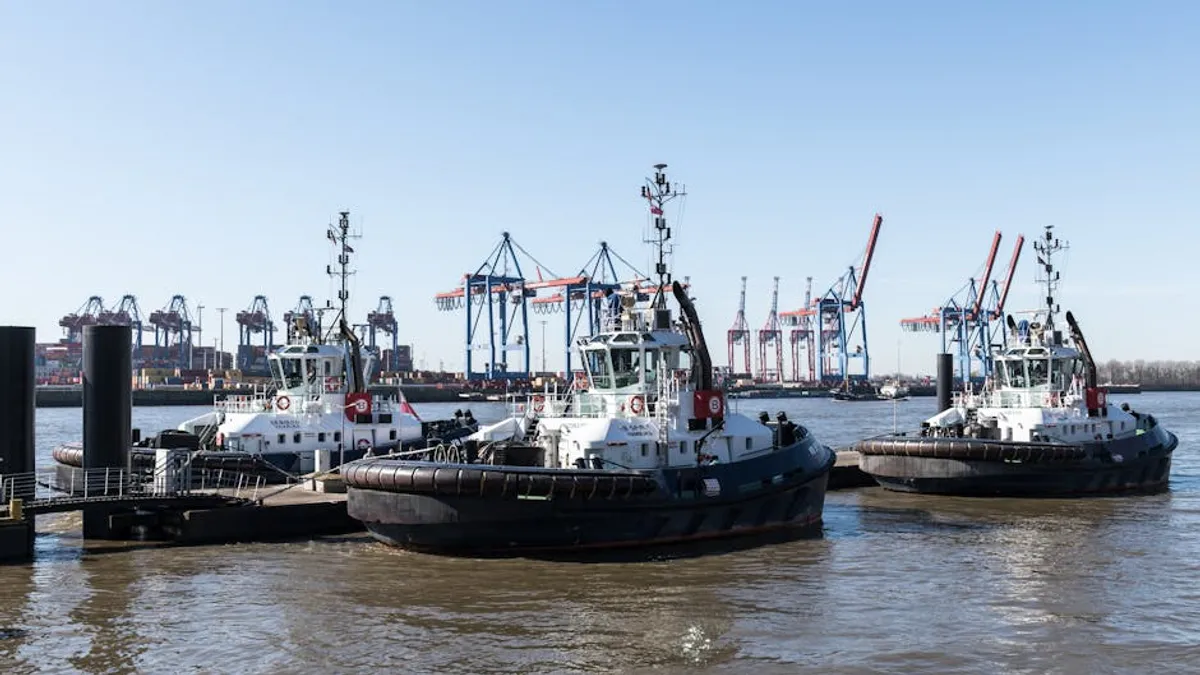
Port strikes represent a critical vulnerability in global supply chains, directly impacting the movement of goods and incurring substantial costs for businesses reliant on international trade. Understanding the specific mechanisms through which these disruptions propagate is essential for any enterprise engaged in manufacturing, retail, or logistics. These events are not merely localized labor disputes; they trigger cascading effects that can halt production, inflate consumer prices, and fundamentally alter trade routes and sourcing strategies.
Direct Economic Impacts on Supply Chains
When port operations cease or slow significantly due to strikes, the immediate consequences are felt across the entire supply chain. Vessels are unable to dock, unload, or load cargo, leading to a backlog of ships at sea and congestion in unaffected ports. This creates a ripple effect, delaying the delivery of raw materials to manufacturers and finished goods to distributors and retailers.
- Increased Shipping Costs: Delays at ports frequently result in demurrage charges (penalties for containers staying too long at a terminal) and detention charges (penalties for holding carrier-owned equipment outside the terminal for too long). Carriers may also levy congestion surcharges or reroute vessels to less efficient ports, passing these additional costs onto shippers.
- Production Delays and Lost Revenue: Manufacturers face delays in receiving critical components, leading to production line stoppages. This translates directly into lost output and missed sales opportunities. For time-sensitive goods, such as seasonal fashion or perishable items, delays can render entire shipments unsellable.
- Inventory Management Challenges: Businesses operating on just-in-time (JIT) inventory models are particularly vulnerable. Without predictable inbound shipments, JIT systems fail, forcing companies to either build costly safety stock, risking obsolescence, or face stockouts, losing market share to competitors.
- Contractual Penalties: Delays can trigger penalty clauses in supply contracts, further eroding profit margins for businesses unable to meet delivery commitments.
Broader Commercial and Strategic Consequences
Beyond the immediate financial hits, port strikes generate wider commercial and strategic ramifications that can reshape industry practices and consumer behavior.
Consumer Price Inflation
The cumulative effect of increased shipping costs, production delays, and inventory shortages often translates into higher prices for end consumers. Businesses absorb some of these costs, but a significant portion is typically passed on, contributing to inflationary pressures across various sectors. This erosion of purchasing power can dampen consumer demand and impact overall economic stability.
Geopolitical and Trade Relationship Strain
Prolonged or frequent port strikes can strain international trade relationships. Importing nations may view the striking country as an unreliable trade partner, prompting them to seek alternative sourcing regions or renegotiate trade agreements. This can lead to a long-term shift in global trade flows, potentially isolating affected regions.
Shift in Sourcing Strategies
To mitigate future risks, businesses often re-evaluate their global sourcing strategies. This can manifest as:
- Diversification of Sourcing: Spreading production or procurement across multiple countries or regions to reduce reliance on a single point of failure.
- Nearshoring/Reshoring: Moving manufacturing closer to consumer markets or back to the home country to shorten supply lines and reduce exposure to international shipping disruptions.
- Increased Regionalization: Developing more localized supply chains that rely less on intercontinental freight.
Reputational Damage for Businesses
Companies unable to deliver products on time due to port strikes can suffer significant reputational damage. Customers may switch to competitors, and brand loyalty can erode, particularly in highly competitive markets where alternatives are readily available. Rebuilding trust and market share after such events is a costly and prolonged effort.
Pro Tip: Implement robust contract clauses with suppliers and carriers that specifically address force majeure events, including port strikes. Ensure these clauses define responsibilities for demurrage, detention, and rerouting costs, and outline clear communication protocols for disruption alerts. Proactive legal review of these terms can significantly mitigate financial exposure during unforeseen events.
Navigating Future Trade Disruptions
Businesses must adopt proactive strategies to build resilience against future port strikes and other supply chain disruptions. This involves a multi-faceted approach that integrates technology, strategic partnerships, and flexible operational models.
Enhancing Supply Chain Visibility
Investing in real-time tracking and supply chain visibility platforms allows businesses to monitor the status and location of their shipments, anticipate delays, and react quickly to disruptions. This data-driven approach enables informed decision-making regarding rerouting, inventory adjustments, and customer communication.
Diversifying Logistics Partnerships
Relying on a single port, carrier, or freight forwarder increases vulnerability. Establishing relationships with multiple logistics providers and utilizing a network of alternative ports provides flexibility to reroute cargo when primary routes are compromised. This diversification should extend to different modes of transport where feasible, such as rail or air freight for critical shipments.
Building Strategic Inventory Buffers
While costly, maintaining strategic inventory buffers for critical components or high-demand finished goods can act as a safeguard against short-term disruptions. This requires careful analysis to balance carrying costs against the potential losses from stockouts and production stoppages.
Leveraging Predictive Analytics and AI
Advanced analytics and artificial intelligence can help forecast potential disruptions by analyzing historical data, geopolitical indicators, and labor relations trends. This allows businesses to implement contingency plans before a strike materializes, minimizing its impact.
Frequently Asked Questions
How long do port strikes typically last?
The duration of port strikes varies widely, ranging from a few days to several weeks or even months, depending on the nature of the labor dispute, union demands, and government intervention.
What are the main causes of port strikes?
Port strikes are primarily caused by labor disputes over wages, benefits, working conditions, job security, and automation, often stemming from collective bargaining negotiations between unions and port operators or shipping lines.
Can businesses claim compensation for losses due to port strikes?
Claiming compensation is complex and depends heavily on contractual terms, insurance policies, and the specific legal framework governing the port and jurisdiction. Force majeure clauses often limit liability for strike-related delays.
What role do governments play in resolving port strikes?
Governments often intervene in port strikes due to their significant economic impact, facilitating negotiations, mediating disputes, or, in some cases, legislating an end to the strike through emergency powers or arbitration.