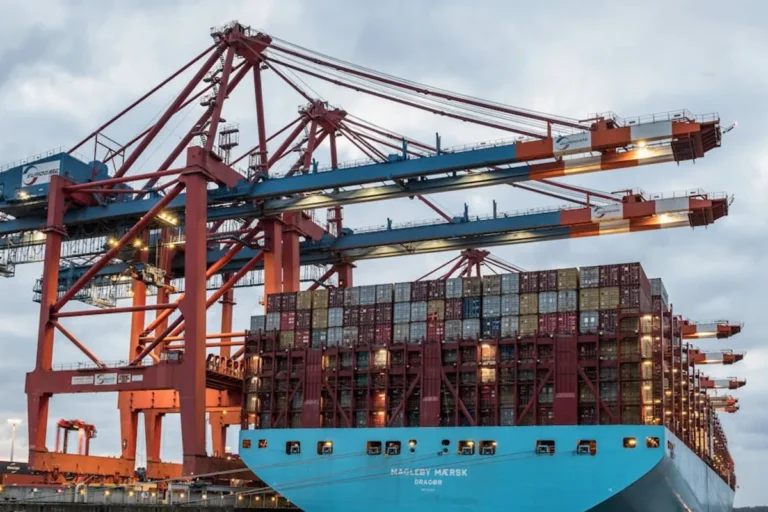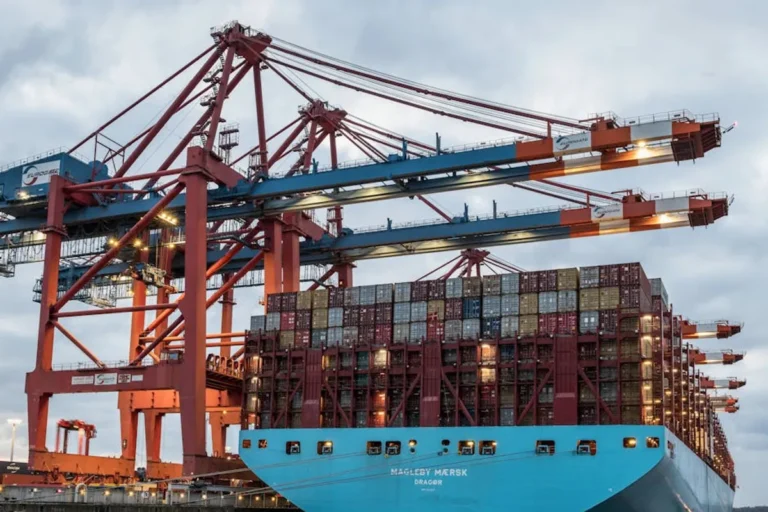
Import duties represent a significant, often overlooked, cost center for businesses engaged in international trade. These tariffs directly impact landed cost, influencing product pricing, profit margins, and ultimately, market competitiveness. Proactively managing and reducing import duty expenses is not merely a compliance task; it is a strategic financial imperative that can unlock substantial savings and enhance a company’s financial health. Understanding the mechanisms available for duty mitigation is crucial for any business importing goods.
Accurate Classification of Goods
The Harmonized System (HS) code is the foundation for determining import duty rates. This international nomenclature system assigns a specific numerical code to every product, and a slight variation in classification can result in vastly different duty percentages. Misclassification, whether intentional or accidental, can lead to penalties, delays, and unexpected costs.
Specific action: Invest in thorough product analysis to ensure the correct HS code is applied. This involves understanding the product's composition, function, and intended use. Do not rely solely on supplier-provided codes without independent verification, as their interests may not align with yours in minimizing duties.
Leveraging Binding Rulings
For complex or ambiguous products, obtaining a binding ruling from the importing country's customs authority provides legal certainty. This official decision confirms the correct HS classification and applicable duty rate before importation occurs. It mitigates risk and prevents costly disputes or reclassifications post-arrival.
Benefit: A binding ruling offers a definitive answer, protecting against future challenges from customs and ensuring predictable duty costs. This is particularly valuable for new products or those with innovative features that do not fit neatly into existing categories.
Optimizing Valuation Methods
Customs duties are typically calculated as a percentage of the imported goods' customs value. While the transaction value (the price paid or payable for the goods) is the most common method, other valuation methods exist. Understanding and correctly applying these can significantly impact the duty calculation.
Key considerations: Ensure all elements of the transaction value are accurately declared, including commissions, assists, packing costs, and royalties, where applicable. Omitting these can lead to undervaluation penalties, while incorrectly including non-dutiable elements can inflate costs.
Utilizing the First Sale Rule
The First Sale Rule allows importers to base the customs value on an earlier sale in a multi-tiered transaction, provided specific conditions are met. For example, if a U.S. importer buys from a middleman who bought from a manufacturer, the duty might be calculated on the lower price paid by the middleman to the manufacturer, rather than the higher price paid by the importer to the middleman. This strategy can yield substantial duty savings, particularly for goods with complex supply chains involving multiple intermediaries.
Requirement: To qualify, the first sale must be clearly identified, arms-length, and intended for export to the importing country. Detailed documentation of all transactions is essential.
Leveraging Free Trade Agreements (FTAs) and Special Programs
Free Trade Agreements eliminate or reduce tariffs between participating countries. However, simply sourcing from an FTA country is not enough; goods must meet specific "rules of origin" to qualify for preferential treatment. These rules dictate the percentage of value added within the FTA region or specific manufacturing processes that must occur there.
- Identify applicable FTAs: Determine which agreements apply to your goods and supply chain (e.g., USMCA, CPTPP).
- Verify rules of origin: Understand the specific origin criteria for your products under each relevant FTA. This often involves detailed analysis of materials and manufacturing processes.
- Obtain Certificates of Origin: Ensure suppliers provide accurate and complete certificates of origin or declarations that substantiate the goods' eligibility.
- Maintain records: Keep comprehensive documentation to support claims of preferential treatment, as customs authorities frequently audit these.
Pro Tip: Do not assume a product qualifies for FTA benefits just because it ships from an FTA partner country. The "rules of origin" are often complex and product-specific. A minor component sourced from outside the FTA region can disqualify an entire shipment. Always verify origin against the specific agreement's text and obtain proper documentation from your supplier.
Duty Drawback Programs
Duty drawback allows for the refund of customs duties paid on imported merchandise that is subsequently exported, either in its original form or as a component of a manufactured product. This program effectively reclaims duties on goods that do not ultimately enter the domestic consumption stream.
Best for: Businesses that import components or finished goods for further processing or distribution and then re-export them. Examples include manufacturers who import raw materials to produce finished goods for export, or distributors who import and then re-export goods to other markets.
Foreign Trade Zones (FTZs)
Foreign Trade Zones are designated areas within a country where commercial merchandise receives the same customs treatment as if it were outside the country. Goods can be brought into an FTZ without formal customs entry, payment of duties, or excise taxes. Duties are only paid when the goods leave the FTZ and enter domestic commerce. If goods are re-exported from the FTZ, no duties are paid at all.
Benefits:
- Duty deferral: Pay duties only when goods are shipped from the FTZ into the domestic market.
- Duty reduction: If goods are manufactured or processed within an FTZ, duties may be paid on the finished product at a lower rate than on the individual components (inverted tariff).
- Duty elimination: No duties are paid on goods re-exported directly from the FTZ.
- Improved cash flow: Deferring duty payments frees up working capital.
Strategic Sourcing and Incoterms
The country of origin of your goods fundamentally impacts duty rates due to trade agreements, tariffs, and potential anti-dumping or countervailing duties. Strategic sourcing involves evaluating potential suppliers not just on product cost and quality, but also on the duty implications of their country of origin.
Incoterms (International Commercial Terms) define the responsibilities of buyers and sellers for the delivery of goods under sales contracts. The chosen Incoterm dictates who pays for shipping, insurance, and crucially, who is responsible for import duties and customs clearance. Selecting the appropriate Incoterm can directly influence your total landed cost.
Negotiating Incoterms
While EXW (Ex Works) places maximum responsibility on the buyer and DDP (Delivered Duty Paid) places maximum responsibility on the seller, understanding the nuances allows for negotiation. For example, using FCA (Free Carrier) or FOB (Free On Board) shifts some responsibilities, including potentially duties, to a point that optimizes cost and control for your business. Always evaluate the full cost implications, not just the purchase price, when negotiating Incoterm clauses with suppliers.
Continuous Optimization for Import Costs
Reducing import duties is an ongoing process, not a one-time fix. Market conditions, trade policies, and product specifications evolve, necessitating continuous review and adaptation of your import strategies.
Internal Compliance Programs
Establish robust internal processes for customs compliance. This includes regular training for purchasing, logistics, and finance teams on classification, valuation, and origin rules. Implement internal audit procedures to catch errors before they become costly penalties. A strong compliance program reduces risk and ensures sustained duty savings.
Working with Customs Brokers and Consultants
While internal expertise is valuable, the complexity of international trade often warrants external support. Experienced customs brokers can provide accurate classification and valuation services, handle customs clearance efficiently, and advise on specific duty reduction programs. Customs consultants can conduct comprehensive duty assessments, identify potential savings opportunities, and assist with implementing compliance programs.
Frequently Asked Questions
Q: How often should I review my product classifications?
A: Classifications should be reviewed annually or whenever there are changes to product composition, manufacturing processes, or new trade agreements that might affect duty rates. New product launches always require a fresh classification assessment.
Q: Can I dispute a duty assessment if I believe it's incorrect?
A: Yes, importers have the right to protest duty assessments. This typically involves filing a formal protest with the customs authority within a specified timeframe, providing detailed documentation and justification for the alternative classification or valuation. Professional guidance is often recommended for this process.
Q: Are duty drawback programs difficult to implement?
A: Duty drawback programs can be complex due to stringent record-keeping requirements and specific regulations regarding eligibility. However, the potential savings often outweigh the administrative effort. Many companies work with specialized drawback service providers to manage the process efficiently.