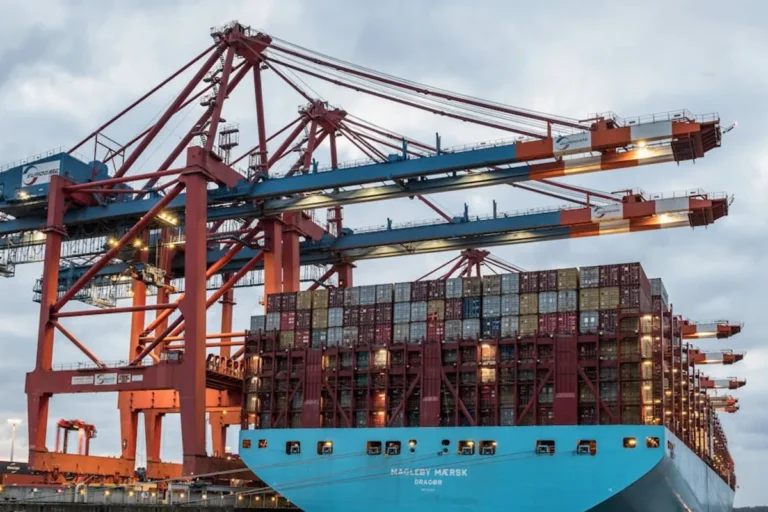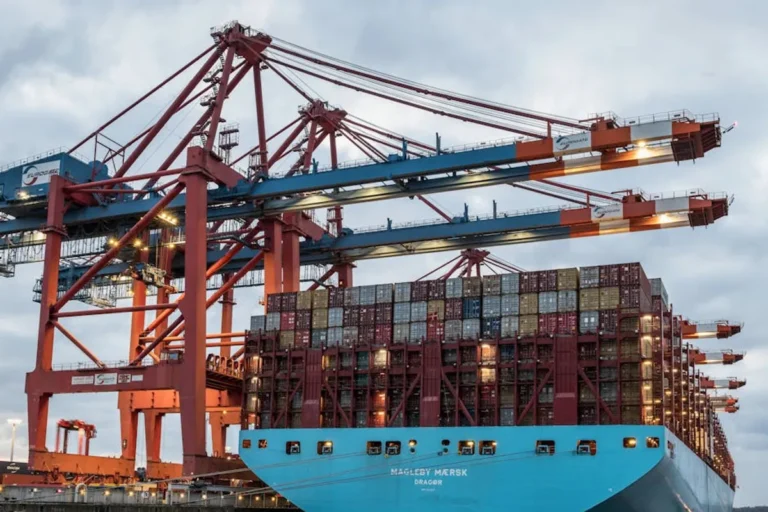
While both shipping delays and warehouse logistics directly impact delivery timelines and customer satisfaction, they represent distinct operational challenges within the supply chain. Understanding their fundamental differences is critical for businesses aiming to optimize their operations, control costs, and maintain a competitive edge. Shipping delays typically refer to disruptions occurring during the transit of goods, often outside a company's immediate control, while warehouse logistics encompasses the internal processes of storing, managing, and moving inventory within a facility. Effective management requires differentiating between these two areas, as the root causes and mitigation strategies for each are fundamentally different.
Defining Shipping Delays: External Factors and Transit Disruptions
Shipping delays are defined as any deviation from the anticipated or promised delivery schedule of goods once they have left the sender's facility for transportation to the recipient. These delays primarily occur during the transit phase, involving external carriers and infrastructure. Their impact extends beyond missed deadlines, affecting customer trust, increasing customer service inquiries, and potentially incurring financial penalties for businesses operating under strict delivery contracts.
Common Causes of Shipping Delays
The factors contributing to shipping delays are diverse and often unpredictable, making proactive management challenging. Key causes include:
- Weather Events: Severe storms, blizzards, floods, or natural disasters can halt transportation routes, ground flights, or close ports, directly impacting delivery schedules.
- Customs and Regulatory Holds: International shipments are frequently subject to delays due to complex customs procedures, incomplete documentation, or unexpected inspections at borders.
- Carrier Operational Issues: This includes equipment breakdowns, labor disputes (e.g., strikes at port or courier facilities), or capacity constraints during peak seasons.
- Infrastructure Bottlenecks: Port congestion, traffic jams on major freight routes, or inadequate road/rail infrastructure can slow down the movement of goods.
- Last-Mile Delivery Challenges: Issues such as incorrect addresses, recipient unavailability, or local delivery route inefficiencies can cause delays in the final leg of delivery.
Impact on Business: Reduced customer loyalty, increased costs from expedited shipping attempts, potential for perishable goods spoilage, and reputational damage.
Understanding Warehouse Logistics: Internal Efficiency and Inventory Flow
Warehouse logistics refers to the comprehensive management of goods within a storage facility, from the moment they arrive until they are dispatched. This internal operational domain focuses on optimizing the flow, storage, and processing of inventory to ensure efficiency, accuracy, and readiness for shipment. Effective warehouse logistics directly underpins a company's ability to fulfill orders quickly and accurately, thereby preventing internal contributions to shipping delays.
Core Components of Warehouse Logistics
Optimizing warehouse logistics involves several interconnected processes and strategic considerations:
- Inventory Management: This includes tracking stock levels, managing stock rotation (e.g., FIFO/LIFO), conducting cycle counts, and implementing strategies to minimize obsolescence and spoilage.
- Storage Optimization: Strategic layout design, utilization of vertical space, and appropriate storage equipment (racking, shelving) to maximize capacity and accessibility.
- Order Fulfillment: The entire process from receiving an order to preparing it for dispatch, including picking (retrieving items), packing (securing items for transit), and staging (preparing for carrier pickup).
- Inbound and Outbound Processing: Efficient receiving of goods from suppliers, quality checks, put-away, and streamlined loading onto outbound carriers.
- Labor and Equipment Management: Effective scheduling of staff, training, and maintenance of material handling equipment (forklifts, conveyors, automated systems).
Impact on Business: Direct influence on operational costs, order accuracy rates, speed of fulfillment, and overall supply chain responsiveness. Inefficient warehouse logistics can lead to higher labor costs, increased inventory holding costs, and a higher rate of picking errors.
The Critical Interplay Between Delays and Internal Operations
While distinct, shipping delays and warehouse logistics are not isolated. Poor warehouse logistics can directly *cause* what appear to be shipping delays by failing to process orders for pickup on time. For example, a bottleneck in the packing station or inaccurate inventory records can mean a carrier arrives to find orders unprepared, leading to a missed pickup and a subsequent "shipping delay." Conversely, frequent external shipping delays can strain warehouse operations, leading to accumulation of inbound goods, requiring extra storage space, or necessitating rushed outbound processing to compensate for lost transit time.
Pro Tip: Implement integrated data analytics across your supply chain. Tracking metrics for both external carrier performance and internal warehouse efficiency allows for precise identification of delay origins. This data-driven approach moves beyond anecdotal evidence, enabling targeted interventions whether the issue lies with a specific carrier lane or an internal picking process. Visibility into these distinct data sets prevents misallocation of resources to solve the wrong problem.
Strategic Management for Supply Chain Resilience
Effective management requires a bifurcated yet integrated approach. For shipping delays, focus on external relationships and data visibility. For warehouse logistics, emphasize internal process optimization and technology adoption.
Mitigating Shipping Delays
Businesses can reduce the impact of external transit disruptions through several strategies:
- Carrier Diversification: Utilizing multiple carriers across different lanes reduces reliance on a single provider and offers alternatives during localized disruptions.
- Real-time Tracking and Communication: Implementing systems that provide end-to-end visibility allows for proactive customer communication regarding potential delays and alternative arrangements.
- Buffer Stock Management: Strategic placement of safety stock in regional warehouses can absorb some impact of transit delays, ensuring critical goods are still available.
- Robust Documentation: Ensuring all international shipping documents are accurate and complete significantly reduces customs-related delays.
Optimizing Warehouse Logistics
Improving internal warehouse operations requires continuous evaluation and investment:
- Warehouse Management Systems (WMS): Implementing a WMS automates and optimizes inventory tracking, order picking, and space utilization, reducing manual errors and improving throughput.
- Process Automation: Introducing automation for repetitive tasks, such as robotic picking or automated guided vehicles (AGVs), can increase speed and accuracy while reducing labor costs.
- Layout and Flow Analysis: Regularly reviewing and reconfiguring warehouse layouts to minimize travel time for pickers and streamline the flow of goods.
- Demand Forecasting Accuracy: Improved forecasting allows for better inventory planning, preventing stockouts or overstocking, which directly impacts fulfillment speed.
Building a Responsive Supply Chain
Distinguishing between shipping delays and warehouse logistics is not merely an academic exercise; it is a strategic imperative for operational efficiency and customer satisfaction. Businesses that understand and address the unique challenges of each domain can build more resilient, responsive, and cost-effective supply chains. This involves leveraging technology for comprehensive visibility, fostering strong relationships with external partners, and continuously refining internal processes to meet evolving market demands.
Frequently Asked Questions
What is the primary difference in control between shipping delays and warehouse logistics?
The primary difference lies in control: warehouse logistics are largely internal operations, giving businesses direct control over processes and efficiency. Shipping delays, conversely, are often caused by external factors like weather, carrier issues, or customs, placing them largely outside a business's direct control.
Can optimizing warehouse logistics completely prevent shipping delays?
Optimizing warehouse logistics can prevent delays that originate internally, such as late dispatch due to inefficient picking or packing. However, it cannot prevent delays caused by external factors like carrier breakdowns, adverse weather, or port congestion, which are inherent to the shipping process itself.
How do technology solutions aid in managing both aspects?
Technology solutions, such as Warehouse Management Systems (WMS) and Transportation Management Systems (TMS), provide crucial data and automation. WMS optimizes internal warehouse processes for efficiency, while TMS offers real-time visibility into external shipments, enabling proactive communication and alternative route planning during delays.
Why is it important for businesses to differentiate between these two types of disruptions?
Differentiating is crucial because the root causes and solutions are distinct. Misattributing an internal warehouse issue to a shipping carrier, or vice versa, leads to misdirected efforts, wasted resources, and a failure to resolve the actual problem, ultimately impacting customer satisfaction and operational costs.