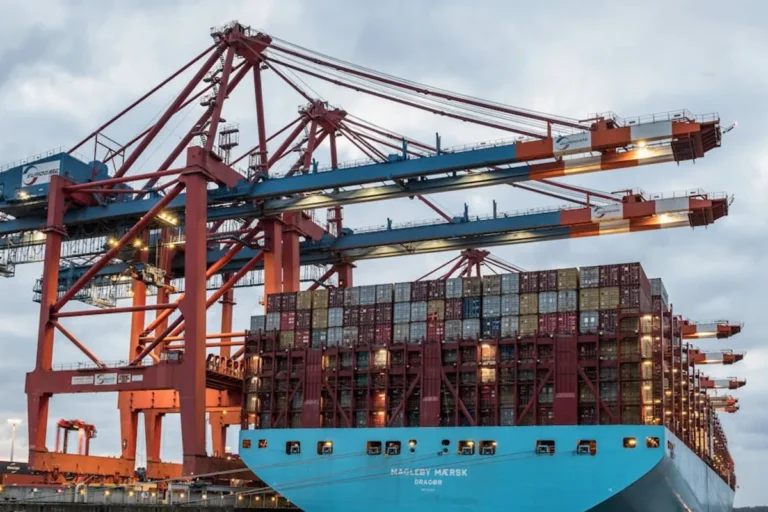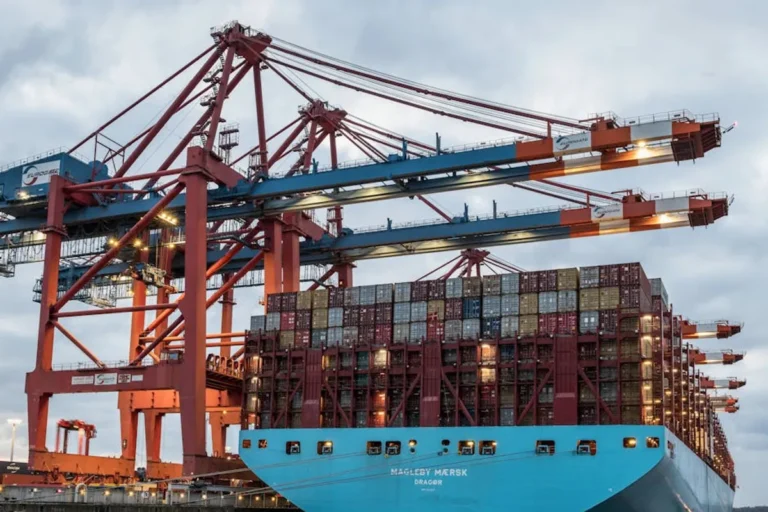
The landscape of international trade, historically encumbered by extensive paperwork, manual checks, and variable processing times, is undergoing a fundamental transformation driven by technological advancements. For businesses engaged in cross-border commerce—from small e-commerce ventures to multinational corporations—understanding these shifts in customs clearance is not merely an operational concern, but a strategic imperative. Technology directly impacts supply chain efficiency, compliance risk, and ultimately, profitability. The transition from reactive, document-heavy procedures to proactive, data-driven systems offers opportunities for faster market entry, reduced demurrage, and improved predictability in logistics. This evolving environment demands that businesses re-evaluate their internal processes and integrate new solutions to remain competitive and compliant.
Automation and Artificial Intelligence in Customs Operations
Automation, particularly through Robotic Process Automation (RPA) and Artificial Intelligence (AI), is redefining the administrative burden of customs clearance. RPA bots can handle repetitive, rule-based tasks such as data entry from invoices and packing lists into customs declarations, reducing human error and accelerating submission times. AI, however, extends beyond simple automation. Machine learning algorithms can analyze vast datasets of trade history, tariff codes, and regulatory updates to identify patterns, flag potential compliance issues before submission, and even suggest optimal routing or classification for goods.
- Automated Document Processing: AI-powered optical character recognition (OCR) extracts data from physical or scanned documents, populating digital forms without manual input.
- Predictive Compliance: AI models assess the likelihood of customs interventions based on historical data, product characteristics, and origin/destination pairs, allowing for proactive risk mitigation.
- Tariff Classification Assistance: AI tools can suggest appropriate Harmonized System (HS) codes, reducing misclassification errors that lead to delays or penalties.
- Optimized Resource Allocation: Customs authorities use AI to identify high-risk shipments, enabling them to focus human resources on complex cases while low-risk cargo passes through more quickly.
Blockchain for Enhanced Transparency and Trust
Blockchain technology, with its distributed, immutable ledger, offers a solution to the perennial challenges of trust and transparency in global supply chains. In customs clearance, blockchain can create a secure, shared record of a shipment's journey, accessible to all authorized parties—exporters, importers, carriers, and customs authorities. Each transaction, from origin to destination, is cryptographically linked, making it tamper-proof and providing a verifiable audit trail. This eliminates the need for multiple reconciliations and reduces opportunities for fraud or data manipulation.
Benefits include:
- Immutable Records: All shipment data, including origin, ownership transfers, and compliance checks, is permanently recorded and cannot be altered.
- Reduced Disputes: A single source of truth minimizes discrepancies and accelerates dispute resolution.
- Enhanced Security: Cryptographic security protects sensitive trade data, ensuring only authorized parties can access relevant information.
- Streamlined Verification: Customs officials can verify the authenticity of documents and goods more efficiently by accessing a shared, trusted ledger.
Pro Tip: Integrating blockchain into customs processes requires careful consideration of data governance and interoperability standards. While the technology promises significant gains in trust and efficiency, its full potential depends on widespread adoption and standardized data formats across the trade ecosystem. Prioritize pilot programs with key partners to establish foundational trust and data exchange protocols.
Data Analytics and Predictive Modeling
The sheer volume of data generated by global trade—from shipping manifests and customs declarations to sensor data and market trends—is a valuable asset when harnessed by advanced analytics. Data analytics tools move beyond descriptive reporting to provide predictive and prescriptive insights. For businesses, this means forecasting potential delays, optimizing inventory levels based on predicted customs processing times, and identifying cost-saving opportunities through duty drawback programs or free trade agreements.
Customs authorities leverage these capabilities for more effective risk management. Predictive models can identify patterns indicative of smuggling, illicit trade, or non-compliance with greater accuracy than traditional methods. This allows for targeted inspections, reducing bottlenecks for legitimate trade while increasing the effectiveness of enforcement.
The Internet of Things (IoT) and Real-time Tracking
IoT devices, such as smart sensors and GPS trackers embedded in containers or individual packages, provide real-time data on a shipment's location, environmental conditions (temperature, humidity), and even potential tampering. This continuous flow of information offers unprecedented visibility into the supply chain, which is critical for customs clearance. For example, if a container is diverted from its declared route or experiences unexpected delays, IoT alerts can trigger immediate investigation, preventing potential issues before they escalate.
Real-time data from IoT devices can also be integrated with customs systems, allowing for pre-arrival processing and dynamic risk assessment. This means customs officials can begin clearance procedures while goods are still in transit, significantly reducing dwell times at ports and borders. The ability to monitor conditions throughout transit also supports compliance with specific regulatory requirements, such as those for perishable goods or pharmaceuticals.
Strategic Implications for Global Trade Businesses
The technological evolution in customs clearance is not just about faster processing; it fundamentally alters strategic decision-making for businesses. Companies that embrace these technologies can achieve competitive advantages through:
- Reduced Lead Times: Automated processes and predictive analytics lead to quicker clearance, allowing for leaner inventory management and faster market response.
- Enhanced Compliance: AI-driven tools reduce errors and flag potential issues proactively, minimizing penalties and disruptions.
- Lower Operational Costs: Automation decreases manual labor, while optimized routing and reduced delays cut storage and demurrage fees.
- Improved Customer Satisfaction: Predictable and swift delivery contributes directly to a better customer experience.
- Increased Resilience: Real-time visibility and data-driven insights enable businesses to respond more effectively to supply chain disruptions.
Adopting these technologies often requires significant upfront investment in systems integration, data infrastructure, and workforce training. However, the long-term benefits in efficiency, compliance, and strategic agility typically outweigh these initial costs, positioning businesses for sustained growth in a complex global trade environment.
Navigating the Evolving Customs Landscape
For businesses involved in international trade, the integration of new technologies into customs clearance processes represents a critical juncture. Moving forward requires a proactive approach to understanding and adopting solutions that streamline operations, enhance compliance, and provide greater visibility across the supply chain. This involves not only investing in the right tools but also fostering a culture of data literacy and continuous process improvement. Collaboration with customs brokers, logistics partners, and technology providers will be essential to navigate the complexities and fully leverage the benefits offered by automation, AI, blockchain, and IoT.
Frequently Asked Questions
What is the primary benefit of AI in customs clearance?
The primary benefit of AI in customs clearance is its ability to automate repetitive tasks, analyze vast datasets for predictive risk assessment, and assist with accurate tariff classification, leading to faster processing times and enhanced compliance.
How does blockchain improve customs processes?
Blockchain improves customs processes by creating an immutable, transparent, and shared ledger of all shipment data, which enhances trust among parties, reduces fraud, and streamlines verification procedures for customs authorities.
Will technology eliminate human roles in customs?
While technology automates many manual and repetitive tasks, it is unlikely to eliminate all human roles. Instead, it shifts human efforts towards more complex problem-solving, strategic analysis, and oversight, requiring a workforce with new skills in data management and digital systems.
What challenges accompany technology adoption in customs?
Key challenges include ensuring interoperability between disparate systems, maintaining data security and privacy, adapting regulatory frameworks to new technologies, and developing a skilled workforce capable of managing and optimizing these advanced tools.